
Rachel Fishman
Director, Higher Education


When President Obama said he was going to 鈥渟hake things up鈥� in higher education just under a month ago, many of us didn鈥檛 really believe it, fatigued from lofty presidential promises that failed to go anywhere due to Congressional gridlock and the effective workings of the higher education lobby. Well, we were wrong. This week he revealed his bold new vision for higher education that will focus on three key areas: paying for performance, promoting innovation and competition, and ensuring that student debt remains affordable. The first priority鈥攑aying for performance鈥攃ould be the most ambitious reform to higher education funding since the creation of federal financial aid.
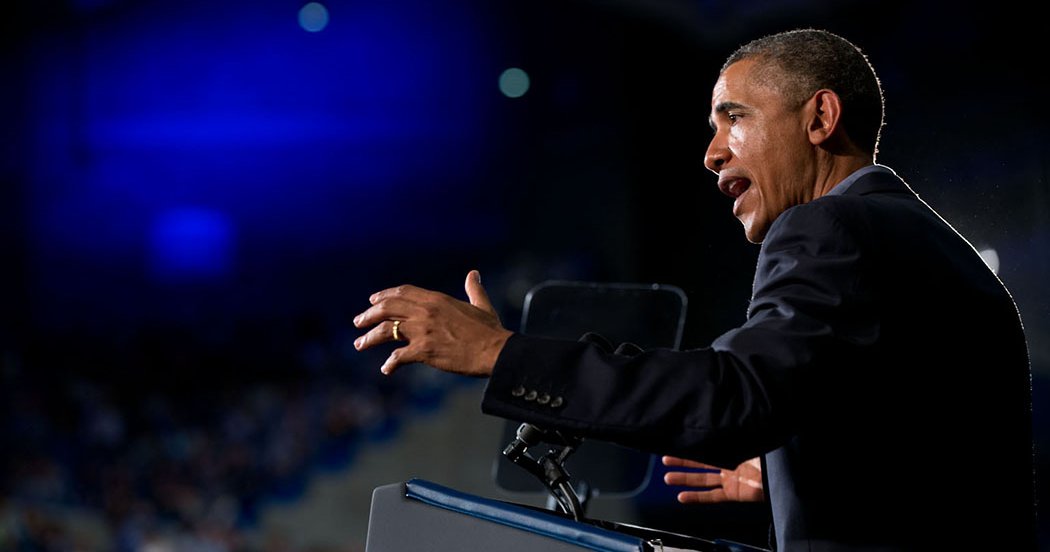
Speaking to a large crowd of mostly college students at , Obama , 鈥淥ur first priority is aimed at providing better value for students — making sure that families and taxpayers are getting what we pay for.聽 Today, I鈥檓 directing Arne Duncan, our Secretary of Education, to lead an effort to develop a new ratings system for America鈥檚 colleges before the 2015 college year.鈥�
A ratings system based on college performance across the dimensions of access, affordability, and outcomes would be a welcome alternative to input- and prestige-focused rankings. In his speech, the president called out the US News and World Report rankings:
Right now, US News and World Report puts out their rankings [each year], and it encourages a lot of colleges to focus on ways to鈥ame the numbers, and it actually rewards them, in some cases, for raising costs.聽 I think we should rate colleges based on opportunity.聽 Are they helping students from all kinds of backgrounds succeed, …on outcomes, on their value to students and parents?
Even if the president had stopped with the creation of a new ratings system, this would have been big news and a huge step because it doesn鈥檛 require congressional approval, making it harder for the education lobby to thwart. But he didn鈥檛 stop there. He challenged the way that federal financial aid dollars are allocated by proposing that they be based on these outcomes-focused ratings, rather than enrollments (examples from the include providing larger Pell grants or more affordable federal student loans to students at high-performing colleges).
Last year, when the president proposed tying just a small portion of federal campus-based financial aid dollars (i.e. Perkins loans, federal work-study) to 鈥渧alue鈥� in his State of the Union, the cried foul鈥攕tating that the proposal was both: 1) Too small to matter; and 2) Too large a federal intrusion. Given that the president just proposed tying a much larger pot of money to outcomes鈥擳itle IV aid that is the lifeblood of most institutions of higher education鈥攑erhaps he agreed that his first attempt was too modest. But he clearly disagrees that this is too large a federal intrusion, and said as much in his speech:
And I鈥檝e got to tell you ahead of time, these reforms won鈥檛 be popular with everybody, especially those who are making out just fine under the current system.聽 But my main concern is not with those institutions; my main concern is the students those institutions are there to serve鈥t is time to stop subsidizing schools that are not producing good results, and reward schools that deliver for American students and our future.
We couldn鈥檛 agree more. And we鈥檙e glad that our (low) expectations for the speech were mistaken. A rating system is coming. One that will be created after much careful consideration and participation with stakeholders and one that is based on much better data that focus on access, affordability, and outcomes. Once this happens, students, families, and taxpayers will have a better understanding of the value of specific institutions, and Congress will no longer be able to ignore the good and bad actors the ratings reveal. Instead, lawmakers will know where money should be focused to get the most bang-for-the-constituent-buck.
Stay tuned in the coming days for more analysis of the White House proposal.“
Director, Higher Education
Senior Director, Higher Education