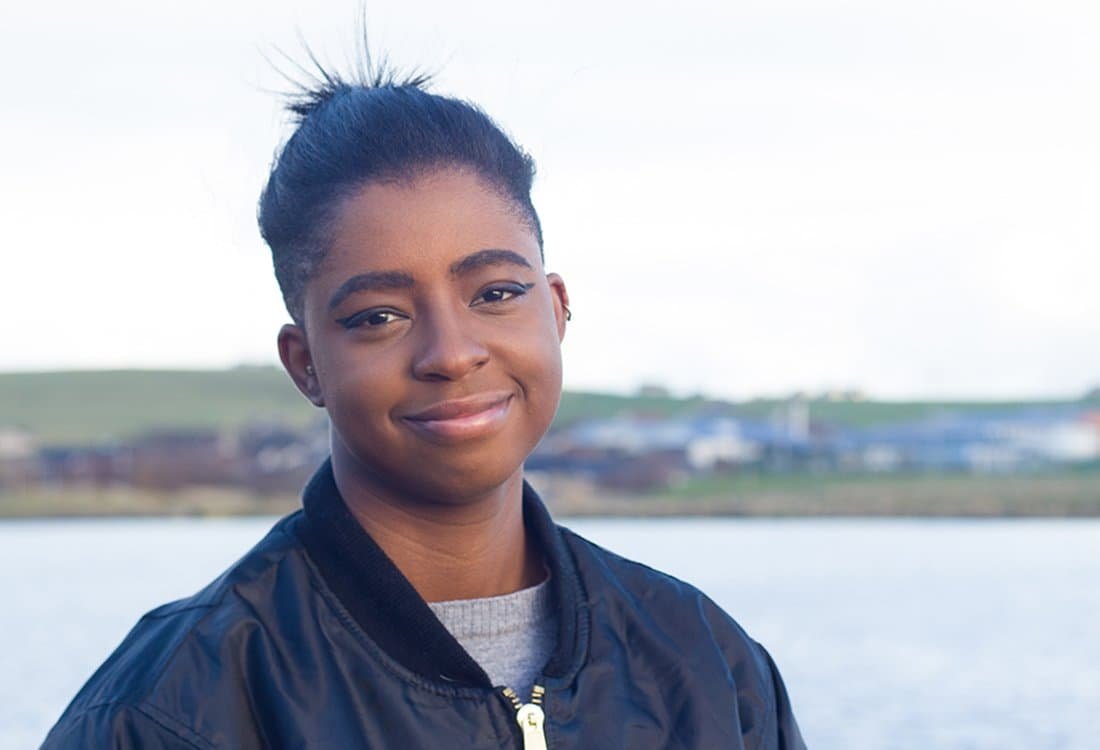
Jasmine Heyward
Entertainment Initiative Senior Associate, Better Life Lab
We also need to address the social policies that trap people in hopeless situations.
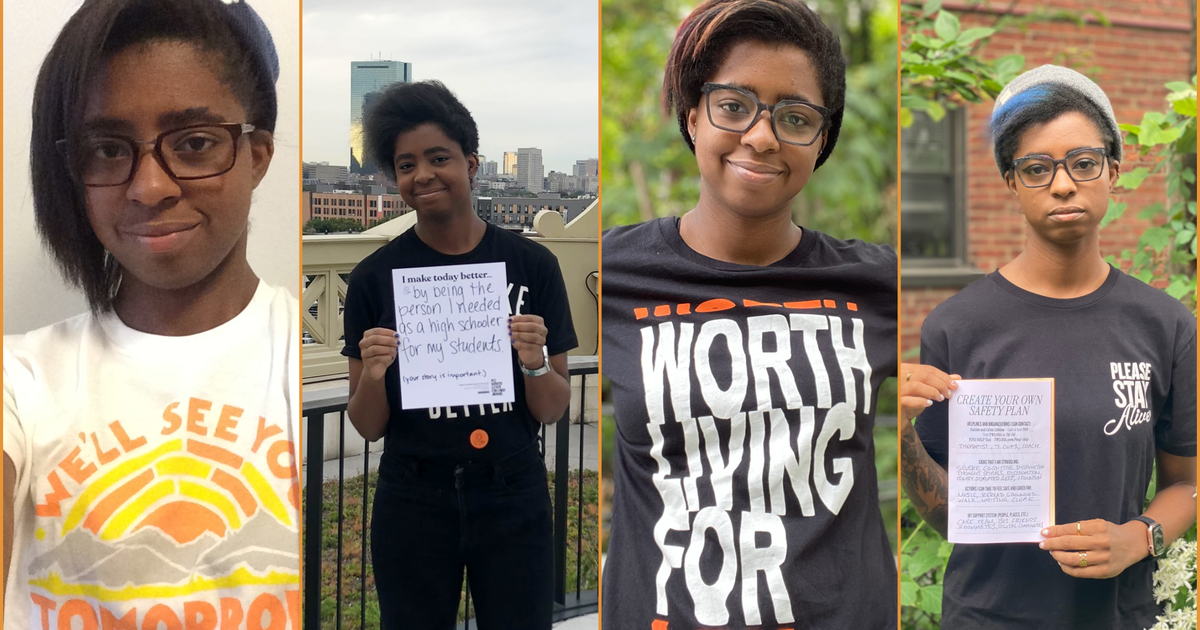
Content Warning: This piece discusses depression and suicidal thoughts.
If you鈥檙e in crisis and need immediate help, call the National Suicide & Crisis Lifeline at 988 or start a chat with the Crisis Text Line by texting HOME to 741741 or visiting . If you鈥檙e outside the United States, you can find equivalent international resources .
If it isn鈥檛 a crisis, but you鈥檇 still appreciate some support and a listening ear, you can connect with a 鈥渨armline鈥� through .
Tuesday was World Suicide Prevention Day, and was 鈥淐hanging the Narrative on Suicide.鈥� I鈥檝e written or posted something for WSPD nearly every year since 2012. The exceptions are years when I wasn鈥檛 in a good enough place to write anything honest about suicide without getting phone calls I didn鈥檛 want. I was never actively suicidal鈥攁s in deciding I definitely wanted to do something irreversible and starting to plan鈥攕o the inevitable aggressive safety checks would鈥檝e made things worse. In 2014, I wrote nothing, and in 2015, I wrote a long and somewhat personal Facebook post. It didn鈥檛 occur to me that I should be worried about the potential consequences of discussing something so stigmatized in public鈥擨 was 16 at the time and had grown up in an environment where talking about mental health was pretty normalized.
That said, I didn鈥檛 really 鈥済et it鈥� at that age. In high school, it was always more, 鈥淚 can鈥檛 be bothered to live because it鈥檚 pointless,鈥� rather than 鈥淚 want to die,鈥� and I thought that 鈥渃orrecting鈥� that thought process would be straightforward once I got to college. Being in an urban environment was better for me, and I knew a lot about mental health, which I had deeply researched in high school. I could manage basic and grounding exercises on my own.
This meant that I became the 鈥渢herapist friend,鈥� which was harmful in the long run. When a friend confided in me about emotional struggles but insisted that it wasn鈥檛 a mental health issue, I didn鈥檛 argue. Instead, I pulled out my copy of the 鈥攖he most commonly used resource to define mental health concerns in the United States at the time鈥攁nd flipped to the page about Major Depressive Disorder. She read it and then looked up at me and quietly said, 鈥淢aybe I am depressed.鈥�
(My mental health would crash to its all-time low later in college, to the point that I couldn鈥檛 get my basic needs met, never mind self-managing my mental health. Turns out that this whole thing is about adequate care and community rather than pulling tips from academic texts. Who knew?)
The ceiling for mental health care in the United States is one of the highest in the world. American researchers are working on nine of the 鈥溾�� identified by the World Economic Forum鈥攊n partnership with researchers in other countries, of course. Outside the academy and research hospitals, are conducting and publishing their own research as they track patient outcomes. The issue is how few people can get such care. In the U.S., the that knows they鈥檇 benefit from mental health care but can鈥檛 access it is one of the highest in the developed world.
The other issue is that the most specialized mental health care in the world can鈥檛 fully solve the problem if personal circumstances or environmental factors regularly trigger crisis-level distress. We live in a society, and none of us fell out of a coconut tree.
If someone doesn't feel safe in their home, the efficacy of even the best will be extremely limited. If , , or are hard to come by, the extensive physical and mental health consequences will likely trigger distress regardless of mental health treatment. One hour of specialized therapy a week won't save you if it's outside your extremely siloed remote job. (I'm speaking from experience here.)
Despite trying therapy a few times, I didn鈥檛 find a provider who I properly connected with until the spring of my senior year. That provider was absolutely incredible, but before him, I saw several people who had long client waitlists and couldn鈥檛 help me.
This feels like a typical American experience if you have health insurance with strong behavioral health coverage. If not, it鈥檚 and nearly impossible to reach cutting-edge specialists.
We desperately need more equitable access to mental health care and peer support in the U.S., but it's easy to focus solely on that. I have yet to hear anyone advocate for defunding 988, formerly known as the National Suicide Prevention Lifeline, because "I think people in crisis should have access to some sort of resource鈥� is a lukewarm take.
It's a lot more complicated if we fully acknowledge how systemic inequities in our policies and cultural norms drive learned helplessness, despair, and a pervasive feeling of being unseen and unwanted.
When people accept that any sort of stability they create will be taken away and they have no agency, it, of course, leads to, "Why try then?" If you're constantly treated poorly for a trait you didn't choose, it feels like the world is against you. Suicidal ideation isn't just about rigidly defined lists of mental illnesses. 鈥�,鈥� or patterns of thinking, feeling, or behaving in specific situations or, more generally, as a part of personality, create risk regardless of which diagnostic codes apply.
This is why getting affordable grocery stores into food deserts is suicide prevention. Dismantling systems of institutionalized bias in our schools and workplaces is suicide prevention. Implementing paid family and medical leave and affordable child care programs is suicide prevention. Creating third spaces and chill community groups where people can make connections without huge time commitments is suicide prevention. It doesn't need to be mental health-themed, just community-centered.
The first step is to intervene in moments of crisis, but it鈥檚 exactly that鈥攁 first step.
In her newly released song, 鈥�,鈥� pop artist Mothica repeatedly asks, 鈥�How do you live when you don鈥檛 want to die anymore?鈥� It鈥檚 all too easy to get stuck in the purgatory of 鈥淚 don鈥檛 want to die, but I can鈥檛 envision a path to a life with meaning and purpose either. If we want to help people out of that space and into healing, we need to make it easier to believe that living well is possible.
It鈥檚 been exciting to see some large U.S.-based advocacy organizations emphasize this over the past week. The National Alliance for Mental Illness鈥� discuss state legislation as a tool to build better mental health and crisis-response systems, and To Write Love on Her Arms shared directly stating that a 鈥渉olistic approach鈥� to suicide prevention is essential because 鈥淸p]hysical health, poverty, community support, and so many other factors play into the way someone is feeling and coping.鈥�
It鈥檚 also National Suicide Prevention Week and Month, so these organizations will likely continue sharing their materials and ways to get involved for the next few days. If you're interested in taking action, by all means, share , read up on , and to organizations doing great work. But in the midst of that, maybe consider the systemic inequities in your community that likely trap people in intolerably distressing situations. Do you engage with the people and organizations working to correct these problems? If not, would you consider getting involved, even if it's something relatively small and low commitment?
The greatest gift I've ever been given is reassurance that life was worth living at a time when I wasn't sure. Many people have that reminder for me, though most of them are probably unaware of it. There was also the extensive but readable guide to unemployment benefits in Massachusetts that informed me that my reason for quitting my previous job was directly addressed in state law, and I needed to appeal. There was also the government-funded youth art collective I joined while living in London and the March 2020 stimulus payment I used to pay down medical debt as Tufts Medical Center rapidly became my most-visited location outside my home in 2020.
These resources existed because individuals dedicated their time to finding the necessary information, funds, and support. Those people鈥檚 work created programs and tools that addressed the most terrifying and demoralizing issues in my life when I needed them the most.
You could be part of that for someone else.
If you鈥檙e in crisis and need immediate help, call the National Suicide & Crisis Lifeline at 988 or start a chat with the Crisis Text Line by texting HOME to 741741 or visiting . If you鈥檙e outside the United States, you can find equivalent international resources .
If it isn鈥檛 a crisis, but you鈥檇 still appreciate some support and a listening ear, you can connect with a 鈥渨armline鈥� through .
Entertainment Initiative Senior Associate, Better Life Lab