
The Radicalism of the 2018 Oscars
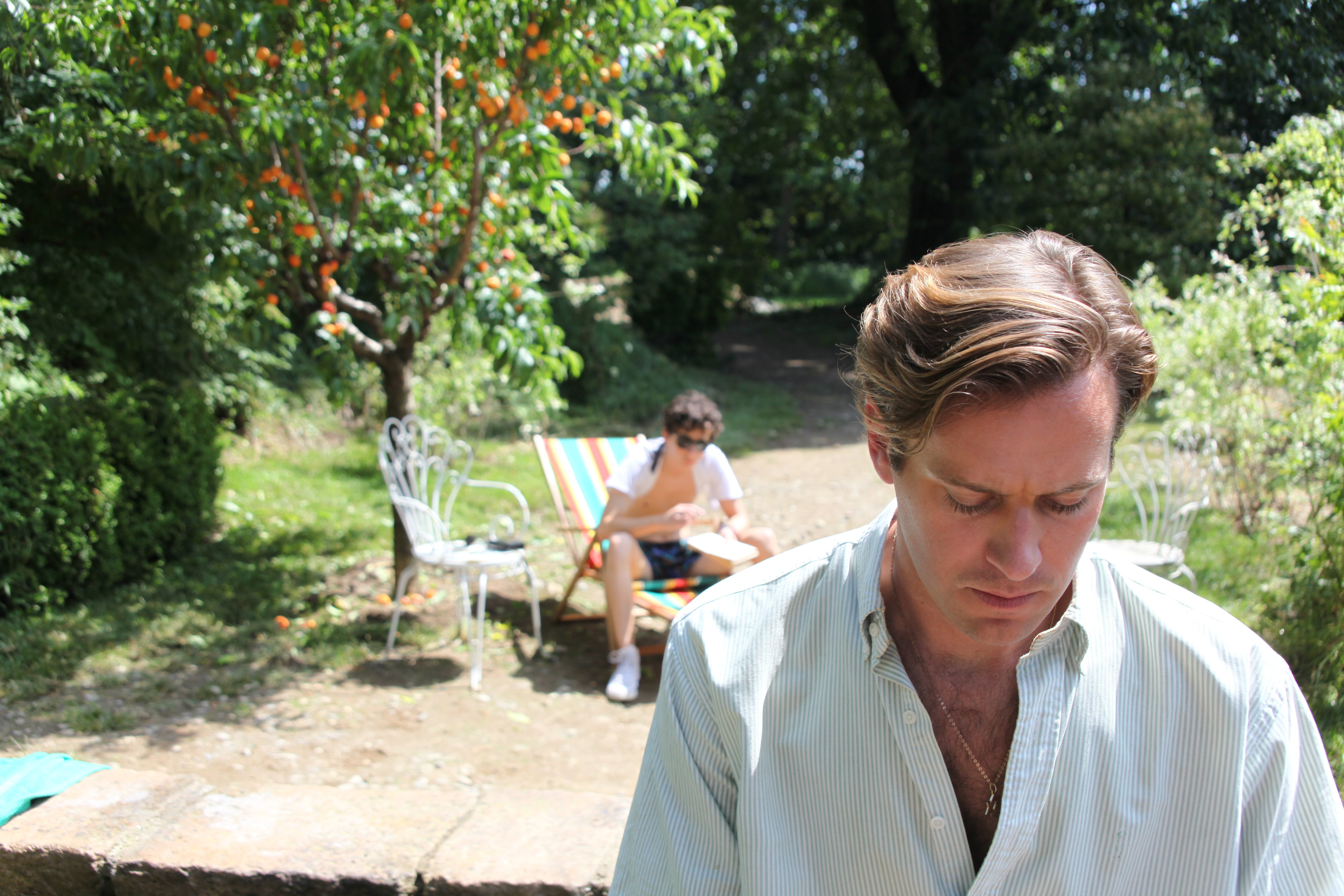
From the passionate Chilean drama A Fantastic Woman to Jordan Peele鈥檚 sci-fi-adjacent thriller Get Out, the past year has offered moviegoers lots to talk about in the way of thrilling characters, narratives, and even industry milestones.
More specifically, the 2018 Oscar nominees, together, seem to speak to shifts within the Academy of Motion Picture Arts and Science. In light of criticism that the Academy has traditionally skewed older, whiter, and more male, it has sought to diversify its membership over the past few years, in hopes of eventually expanding the kinds of movies considered for the awards. Vulture recently 14 of the Academy鈥檚 new members and found evidence that diversifying membership has made at least some difference, as illustrated by the embrace of movies like LGBTQ romance Call Me by Your Name, a favorite among the Academy鈥檚 newer, younger voters.
Yet the excitement hasn鈥檛 come solely from what鈥檚 onscreen. Over at The Atlantic, David Sims wrote in January about how, for the first time in 90 years, all five nominees for Best Director also wrote their own movies, and about how we鈥檙e in the , 鈥渨ith many of the gaudy awards campaigns focused more on the people behind the camera rather than on the stars in front of it.鈥� (In addition to Peele, think of Greta Gerwig and Guillermo del Toro, who wrote and directed Lady Bird and The Shape of Water, respectively. Not the sort of talent that often makes it to big audiences.)
And these changes matter, of course. Despite gormless arguments against placing so much stock in movies, the aforementioned representation engages with and influences the world around us, frequently telegraphing whose stories belong in the pantheon of 鈥済ood art.鈥� To explore the 2018 Oscars a bit more, I recently spoke with Alissa Wilkinson, Vox鈥檚 film critic and a member of the New York Film Critics Circle. A lightly edited transcript of our conversation is below.
You and one of your colleagues recently that the 2018 Oscar nominations were a pleasant surprise. What jumped out to you when you saw the list?
Many people who鈥檝e been following the industry for a while had gotten used to the Academy picking predictable films: movies that were kind of flashy or glossy, sometimes even obvious crowd-pleasers, but that didn鈥檛 really have the high level of artistic merit you鈥檇 hoped for. I don鈥檛 want to use the word 鈥渕iddlebrow,鈥� because it鈥檚 often used in a derogatory way, but those are the kinds of movies it鈥檚 traditionally gone for. So much of that simply has to do with who was in the Academy and doing all the picking. Until very recently, the median Academy voter was a white man in his 70s. That was the norm, and it brought with it certain kinds of nominations.
So looking at this year, it鈥檚 great because there are surprises鈥攖here are movies that are pretty niche, I鈥檇 say. For instance, even though it isn鈥檛 one of my favorite movies of the year, Phantom Thread got so many nominations. That鈥檚 not a film that鈥檚 really a crowd-pleaser at all. It鈥檚 pretty much an arthouse film, but people obviously responded to it.
People, including myself, are really excited about the Best Director category, mostly because it represents so many things, so many milestones, for the Academy. Except for one nominee, nobody had ever been nominated in that category before. It鈥檚 also not homogeneous, and it鈥檚 recognizing the really great work from this year. That, to me, was what was surprising.
Before this year, many people had, I think, written off the middle tier of movies鈥攕uch as comic book movies that sell well internationally鈥攁nd the bottom tier of low-budget movies. Yet as you said, we鈥檝e seen a diverse crop of successful movies this year. Thoughts on what might explain this? Maybe it says something about audiences or the times we鈥檙e in?
A lot of that has to do with how well movies are marketed. I think that part of it鈥檚 also that two of the nine Best Picture nominees came out during earlier parts of the year: Get Out was a February release, and Dunkirk was a July release. And so they鈥檝e had more space to breathe and grow and distinguish themselves from other movies. On top of that, they鈥檝e been able to find an audience that鈥檚 into what they鈥檙e doing. If you look at the films that鈥檝e been nominated, they really do hit very different audiences. Lady Bird is a teen coming-of-age drama. Call Me by Your Name is more of a lush LGBTQ romance. Darkest Hour is very much a historical film.
Many of this year鈥檚 movies are fairly light-hearted as well, which means that people are more likely to go see them. There isn鈥檛 much of the kind of heavy, brutal, violent fare that might鈥檝e popped up in recent years. These are all pretty palatable to most people, even if they鈥檙e aimed at different, niche audiences. That, I鈥檇 say, has influenced how the Academy has responded to them, in addition to the fact that there鈥檚 increasing diversity within the Academy.
So while only about half of the Best Picture nominees truly reflect what鈥檚 happening politically and socially, the fact of the diversity does suggest that the Academy is working harder to be representative of different constituencies, rather than just focusing on a particular one.
People also seem to be paying more attention to the sorts of writer-directors who might be described as auteurs. Here, I鈥檓 especially thinking of Jordan Peele and Get Out, Greta Gerwig and Lady Bird. Does this trend say anything to you about the state of filmmaking?
It definitely does. A large reason for that is that voices that continue to be underrepresented in Hollywood bring a freshness to storytelling where it can go stale. Sometimes we feel like we鈥檙e getting the same stories over and over again. People notice that, but they might begin with the movie and then work their way backward, to the maker of the movie. And that鈥檚 in keeping with the long tradition of auteur theory among French and American film critics, which considers the director to be the primary driving voice behind the film. That鈥檚 certainly the case for both Get Out and Lady Bird, and in both instances they鈥檙e knockouts and much better than anyone was expecting them to be, since actors directing their own movies are usually kind of duds.
The hope is that these sorts of movies will clear the path in the minds of 鈥渕oney people鈥� who might then say, 鈥淭hese aren鈥檛 niche films at all. They鈥檙e not for niche audiences. They鈥檝e made it in the marketplace.鈥� Hollywood is still very convinced that it鈥檚 an anomaly when a film breaks out that鈥檚 not made by a white guy. That鈥檚 just the way the industry works. But there鈥檚 been an increasing number of examples of why that鈥檚 not true, though at the same time we had the recent announcement about the Game of Thrones creators getting a set of Star Wars movies to themselves. That seems like a really boring, predictable choice, so who knows.
I feel like the Oscars perennially struggle to be relevant on a broad level. Do you think that these changes will speak to audiences in a way that widens the conversation?
It鈥檚 hard to tell, because the viewership isn鈥檛 that great. But one thing I鈥檝e noticed is that people who like movies, generally, seem to be using Oscar nominations more and more to structure what they watch. There have always been people who are purists鈥攚ho have to see every Best Picture nominee鈥攂ut it feels like that鈥檚 a thing people are really quite eager to do. I don鈥檛 know how many people are very interested in watching the ceremony: It鈥檚 long, it鈥檚 boring, it鈥檚 late at night. You can see the highlights on YouTube the next day, so why bother? But lots of people are engaged in the conversation about what movies are good and what movies they hope win.
This year is particularly strange in that nobody really knows what movie is going to win. It鈥檚 super up in the air, which isn鈥檛 what it was like last year. By this time last year, we knew that it was a toss-up between La La Land and Moonlight. So that鈥檚 been a point of engagement for a lot of people this year, that there鈥檚 no consensus. The nominations, in that, can feel urgent.
I have to ask: What鈥檚 going on with ? It鈥檚 wild that it鈥檚 doing so well, given that it鈥檚 also split audiences into camps.
Well, it premiered in the fall, as these things do, and a lot of critics liked it quite a bit. Others were middling on it. I鈥檓 not super high on it myself, but it has some good performances. And audiences at first really liked it, too. The audience at TIFF [the Toronto International Film Festival] gave it the People鈥檚 Choice Award, which over time has actually had a pretty strong correlation to winning Best Picture. And then it got to the broader group of viewers, who may or may not be professional critics but who often write at the intersection of politics and culture or identity and culture, and they picked up on something that is there, especially if you have a chance to think about the film before you see it. Which is that it鈥檚 really bad about how it handles race. And it鈥檚 a movie that wants to say things about race, but it completely fumbles the ball.
That鈥檚 where I think opinions split. There weren鈥檛 a lot of nuanced opinions about it in some cases, but it鈥檚 a movie that鈥檚 hot-tempered and so kind of invites sort of hot-tempered dissent or rejection. For the most part, if you look at the hottest criticisms or defenses of it, they have to do with women being fed up with injustice, which is a huge thing that happened in 2017. Also: the movie鈥檚 bad handling of police brutality against black people, and its use of basically every black character as a prop for a white character鈥檚 journey. The movie wanted to do something else, but it just never got there. And the film, in my opinion, is very much not the best film of the year. I don鈥檛 even think that it鈥檚 the best original screenplay. But people nonetheless responded to it because it鈥檚 a passionate film, so for a lot of people it grabs them and they can鈥檛 forget it.
While it鈥檚 not the best film of the year, it鈥檚 the one that embodies 2017 in many respects. So it鈥檚 the one you watched and knew that the Academy was going to respond in some way.
I had a similar reaction to Detroit, Kathryn Bigelow鈥檚 film.
Detroit has the benefit of being what you could call a bad face on true events. It鈥檚 something maybe not a lot of people know about. Staging it like a horror film, like an invasion film, isn鈥檛 a terrible idea, but the execution wound up being pretty wrongheaded, even as it was shocking and visceral to watch. That was never going to make it very far, though. It鈥檚 so violent.
Are there any films you鈥檙e looking forward to seeing in the year ahead?
There鈥檚 stuff coming out that seems like it will be interesting. A lot of it is sort of scattershot. A Wrinkle in Time is something I鈥檓 really intrigued by. And I鈥檓 personally pretty psyched about Ocean鈥檚 8. One of my favorite things to watch is a really great documentary, and I鈥檓 hoping that we鈥檒l end up with some really creative documentaries鈥攄ocumentaries that are unusual in form, that will try to deal with the world we鈥檙e living in right now. It takes a while for those films to get made, but we鈥檙e kind of just hitting the point when the better ones鈥攖hat aren鈥檛 full of talking heads and that really encapsulate what we鈥檙e living through鈥攚ill make it to the big screen.
More 国产视频 the Authors
Related

Engagement in a Civic Education Desert

Built to Last: How Leaders Are Creating Sustainable Early Childhood Funding

Pre-K Is Having a Curriculum Moment. A Professional Learning Movement Needs To Follow.
