Research on Making Policy Reforms Work for Dual Language Learners

If there鈥檚 any unifying thread in the story of the last several years of education debates, it鈥檚 that policy changes are education reform鈥檚 first, not final, steps. Given American education鈥檚 unwieldy, chaotic governing institutions, legal and regulatory changes are almost always susceptible to being watered down鈥攐r even . For instance, while it seemed like a settled victory when the Common Core State Standards were adopted by 46 states, recent 聽implementation (and political) challenges have . Policy design and policy implementation require different skill sets (as does ). But they all matter, and the education policy community needs to think much harder about what 聽its proposals will look like in the classroom.
Efforts to reform how U.S. schools educate dual language learners (DLLs) often run into this challenge. Many advocates concerned with DLLs鈥� linguistic and academic development have focused their attention on getting lawmakers to enshrine the importance of native language instruction for these students.
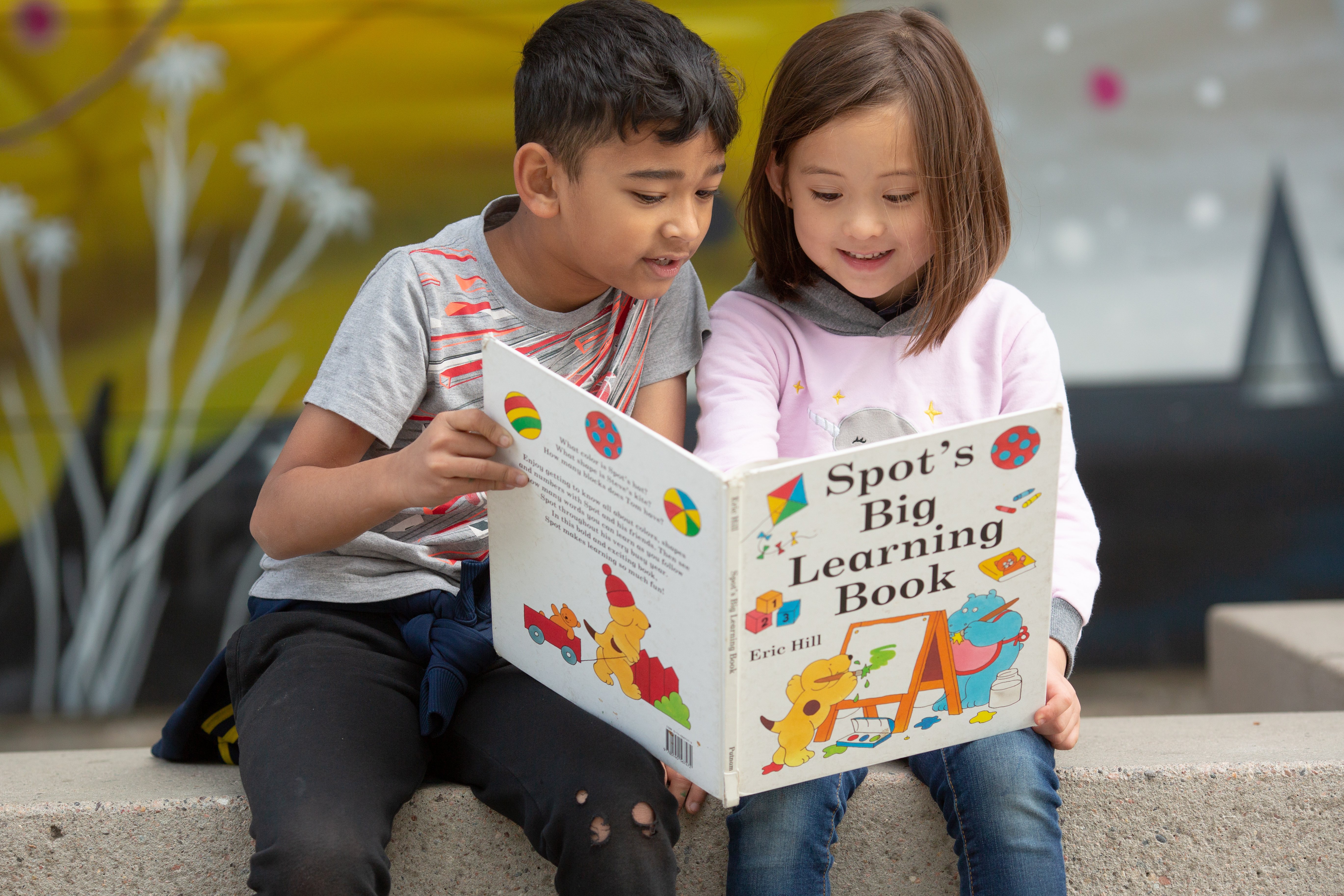
, published in this month鈥檚 issue of the Journal of Early Childhood Literacy, spotlights the issue. The study explores a 鈥渢wo-way dual language鈥� program in a first grade Texas classroom. This model enrolls DLLs and native English-speaking students together in a classroom where instruction is delivered both in English and in the DLLs鈥� home language. Ideally, the model supports bilingualism for both groups of students.
How did it go? Authors Leah Dur谩n and Deborah Palmer found that the program created a considerably different educational experience for students than models that instruct only in English. Dual language learners in the class expressed themselves in both Spanish and English鈥攁nd found both languages celebrated by their peers and teachers.
Two-way dual language programs聽enroll DLLs and native English-speaking students together in a classroom where instruction is delivered both in English and in the DLLs鈥� home language. Ideally, the model supports bilingualism for both groups of students.
As is often the case, DLLs in the class frequently used 鈥渃ode-switching,鈥� transitioning from English to Spanish (and back) in mid-sentence. Teachers welcomed this form of expression, which the authors cheered as proof that it 鈥渨as a normalized and non-stigmatized classroom practice.鈥� Indeed, teachers themselves swapped back and forth between languages in a conscious, intentional way, regardless of whether it was officially an 鈥淓nglish Day鈥� or 鈥淪panish Day.鈥� This squares with suggesting that young DLLs who code-switch are actually demonstrating critical growth in their language competencies. Native English-speaking students followed their teachers鈥� lead and expressed enthusiasm for DLLs鈥� home language; one admired a DLL peer as 鈥渁 Spanish expert.鈥�
However, the researchers noted that the program was not quite fully balanced: 鈥淸A]t no point did we observe an English-dominant speaker initiate or respond in Spanish during the unstructured pair time.鈥� In other words, while DLLs were being supported in both languages, English鈥檚 linguistic dominance (in the United States) was still creeping into the classroom. That is, it wasn鈥檛 clear that the program was living up to its 鈥渢wo-way鈥� billing.
As far as DLLs are concerned, this isn鈥檛 necessarily a problem. Except that the authors note that two-way dual language programs can upend traditional monolingual expectations in American schools for all students. If these programs are ineffective at supporting bilingualism for native English speakers, it robs them of one of the selling points that makes them 鈥渁 popular and politically feasible alternative to transitional bilingual education.鈥� If these programs do not live up to their two-way bilingual promise, it will be harder to keep them in place. Two-way language programs are sometimes an easier sell with the public because they purport to make bilingualism accessible to all students鈥攏ot just DLLs.
That is, even in this relatively faithful, high-quality implementation of the two-way dual language model, there are considerable areas for improvement (For instance, the authors suggested that teachers consider restructuring the day to make it more likely that native English speakers practice their Spanish). As hard as it can be to get states, districts, and schools to change policies around DLLs鈥� native language use, it鈥檚 even more challenging to make sure that these policies are implemented effectively. This research suggests that policy reforms are only one of several critical levers for supporting these students.
More 国产视频 the Authors
Issues
Programs/Projects/Initiatives
Related

In 2026, States and Congress Will Need to Mitigate the Damage to PreK-12 Education
Identifying English Learners in Pre-K: State Policies, Rationale, and Practices

What to Know 国产视频 Education Funding in Biden鈥檚 Budget