Sabiha Zainulbhai
Deputy Director, Future of Land and Housing Program

The biggest federal housing bill in a generation is in just days. Far from being a 鈥�,鈥� as President Donald Trump put it, the ROAD to Housing Act is an to address a national housing shortage of as many as .听听
From encouraging new construction to cutting burdensome regulations and easing rules for manufactured housing, much of the Renewing Opportunity in the American Dream (ROAD) to Housing Act aligns with the national movement to fix the supply crisis by building more homes faster. But the bill also tackles an often-overlooked aspect of this crisis: the financing systems that lock millions of families out of affordable homes that already exist.
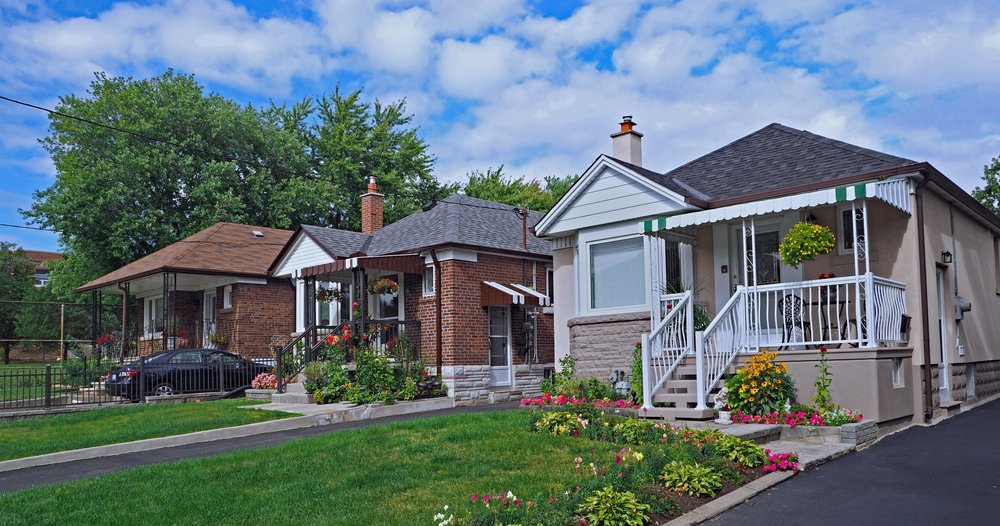
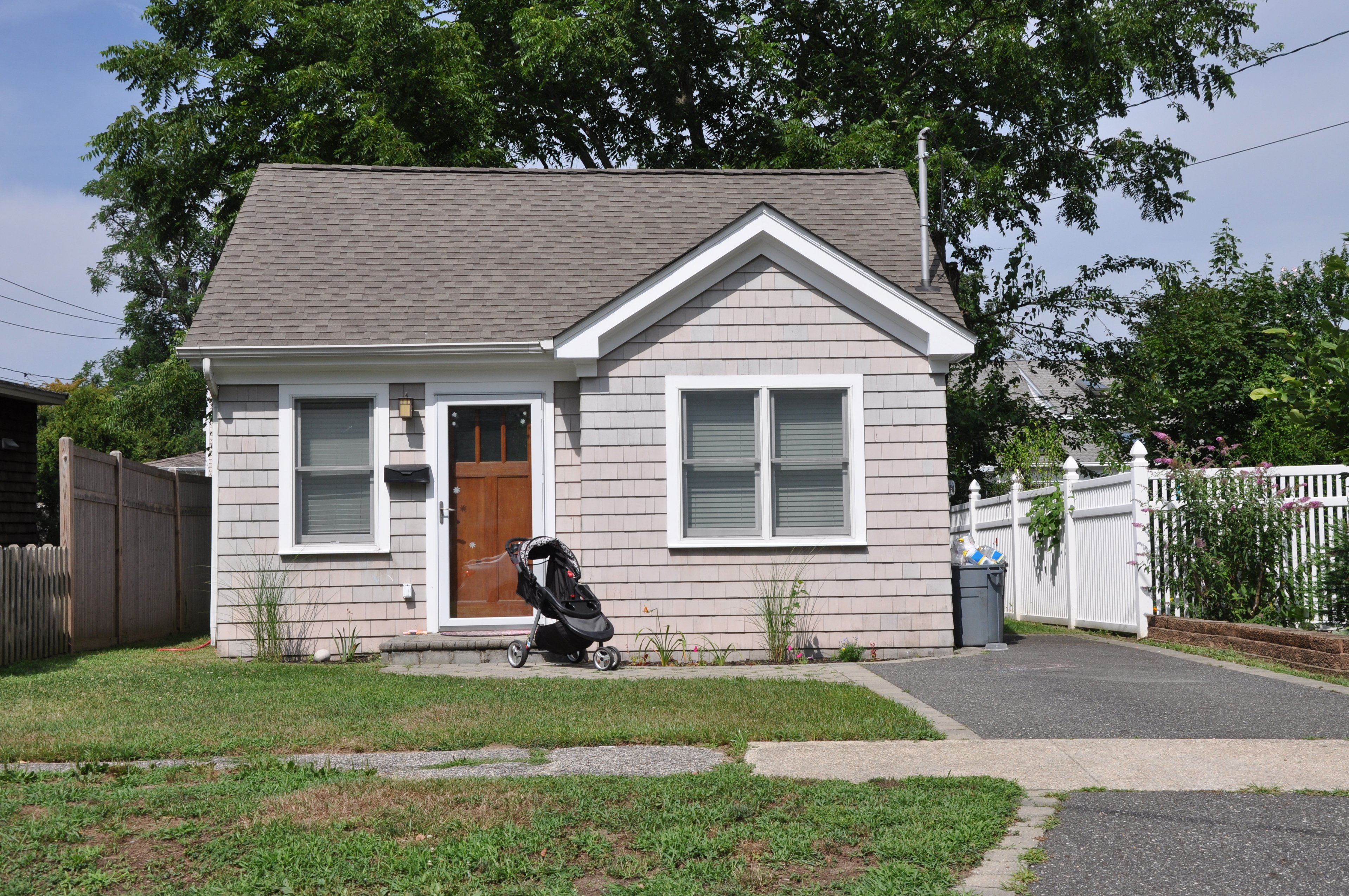
An estimated one in four owner-occupied homes in the United States鈥�22 million鈥攚ere valued at less than $200,000 as of last year. Found in rural and urban markets across the country, these small-dollar homes are plentiful in cities such as Cincinnati, Milwaukee, Philadelphia, Detroit, Dallas, and Chicago.聽
They鈥檙e primarily single-family homes that are older and, yes, smaller than most newly constructed homes. For first-time homebuyers, especially people of color and low- and moderate-income families, this is critical housing stock鈥攐ne of the few affordable paths to homeownership.
And yet families find these homes increasingly out of reach because of declining access to financing. The vast majority of Americans鈥攊ncluding 97 percent of first-time buyers鈥攎ust borrow money to purchase a home. But Pew that origination of small mortgage loans (those under $150,000) has fallen nearly 70 percent over the last 20 years. Big banks have, for the most part, stopped writing small mortgages altogether.
Meanwhile, the U.S. housing stock is rapidly aging, and more and more of these homes are falling into disrepair. Their typical problems鈥攁 leaky roof, a plumbing issue, an unstable deck鈥攁re not insurmountable, but many of the families who live in them can鈥檛 afford the repairs out of pocket. And repair loans and grant programs are either hard to get or nonexistent.聽
The result is that first-time buyers can鈥檛 purchase what should be starter homes. Unaddressed repairs can make a home ineligible for a mortgage and more likely to be snapped up for cash by investors who lease or flip it for a higher price. Or maintenance may be deferred until a house becomes uninhabitable and falls off the market altogether.聽
In short, inaccessible financing combined with an aging housing stock is a recipe for lost housing supply and lost equity for families.聽
Homeownership, especially for lower-cost homes, requires several conditions to align: First, an affordable home must be on the market (supply). Second, it must be in good condition and mortgage-eligible (quality). And third, a loan must be attainable (financing). The ROAD Act quietly begins to address all three.
The decline in small-dollar mortgage availability over the last two decades is most acute for loans administered by the Federal Housing Administration (FHA), which are intended for lower-income borrowers and those historically excluded from credit markets. Put another way, the decline in mortgage financing has been steepest in the market intended to serve those facing the greatest barriers to homeownership.聽
The ROAD Act authorizes an FHA small-dollar mortgages pilot program (Section 105) to boost mortgage lending under $100,000, allowing the Department of Housing and Urban Development (HUD) to provide assistance to lenders and borrowers through direct payments, technical assistance, and adjusted terms and costs.聽
The act further requires studies on loan originator compensation practices (Section 401) and existing regulations that limit the points and fees (Section 402) lenders may charge, and their impact on the availability of small-dollar mortgage loans.
Unaddressed home repairs are valued nationwide. The operating assumption in the United States is that home maintenance and repair are the sole responsibility of the owner post-purchase, but can鈥檛 always afford what鈥檚 needed. Unaddressed repairs are concentrated among lower-income households with limited means to address them.聽
The ROAD Act authorizes a pilot program鈥攖he Whole-Home Repairs Act (Section 202)鈥攖o offer grants and forgivable loans to holistically address home repair needs and stabilize aging housing stock. Based on the Pennsylvania Whole-Home Repairs Program, one of the most effective home-repair programs in the country, the provision addresses the country鈥檚 inadequate and fragmented repair financing ecosystem.
Manufactured homes are a critical source of affordable housing and new construction in the small-dollar range. The average sales price of a new manufactured home was $124,800 in 2024, $424,176 for a site-built home.
The law includes provisions to make manufactured housing design and construction more efficient, eliminating the requirement that it be assembled and delivered on a steel chassis or frame (Section 301). This might seem like a small update to an antiquated regulation, but some housing experts believe that this change alone will cut costs and boost innovation in manufactured housing, making these the .
The national housing conversation has become preoccupied with one idea: build more. And we should. But new construction alone won鈥檛 solve the housing shortage if millions of affordable homes remain inaccessible to those who need them most. By addressing critical financing, quality, and supply barriers to homeownership, the ROAD Act recognizes that preserving and unlocking access to existing affordable homes is just as important as building new ones.
Deputy Director, Future of Land and Housing Program