Roundup: Week of January 28 – February 1

 PHEAA May Pay $15 Million For 9.5% Loan Payments
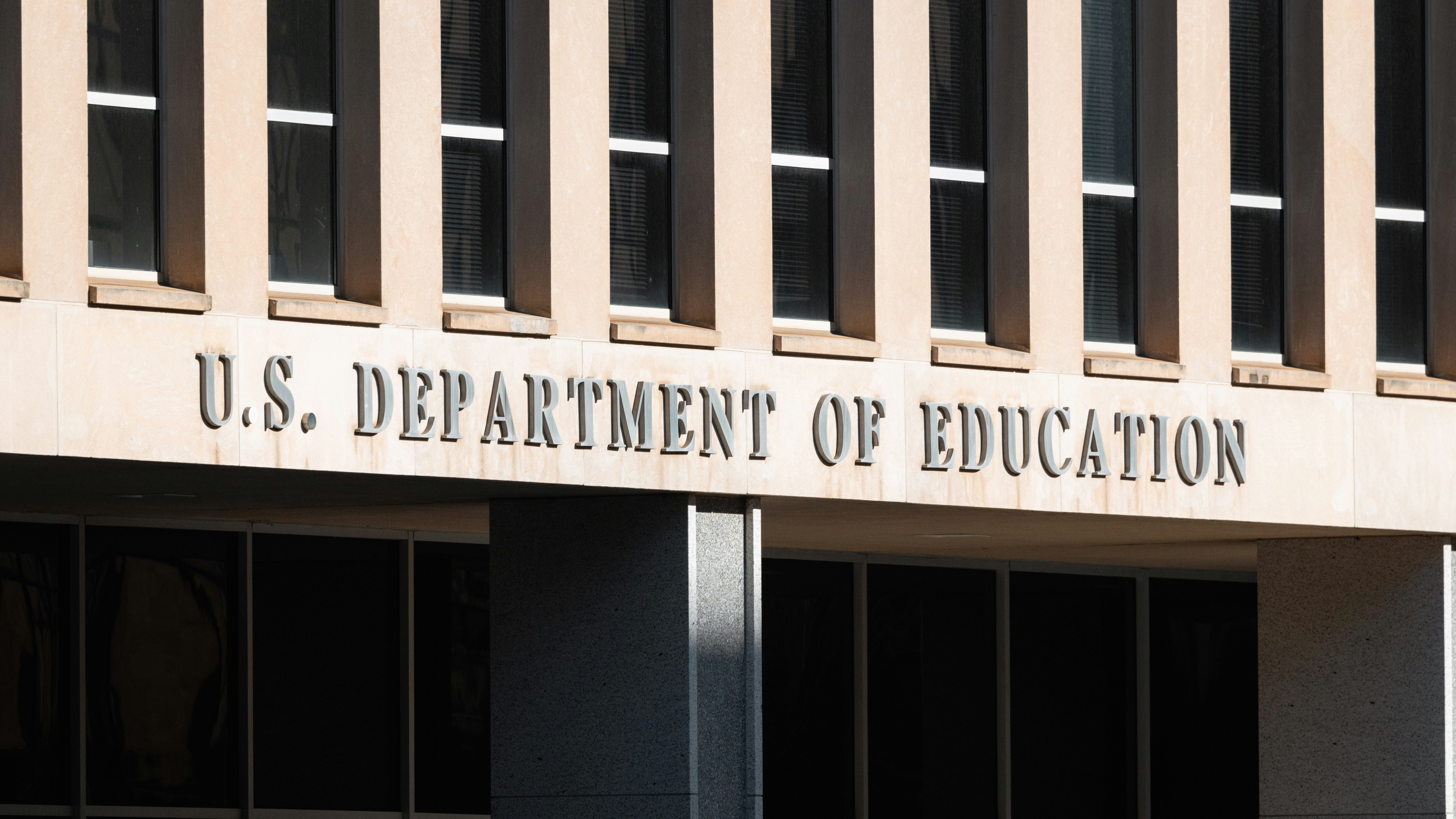
The Department of Education has asked the Pennsylvania Higher Education Assistance Agency (PHEAA), one of the country’s largest nonprofit student loan providers, to repay as much as $15 million in federal payments it improperly obtained by that guaranteed loan providers a 9.5 percent rate of return on government-backed student loans. The request comes two months after found that PHEAA had improperly obtained $34 million in subsidy payments. The Department rejected these findings and suggested the $15 million price tag but is ultimately letting PHEAA decide how much it has to repay. A PHEAA spokesman that the lender may end up with “zero liability.” PHEAA is the first party in the 9.5 scandal to be held financialy accountable for its actions. In 2006 another lender, Nelnet, was caught with $278 in improperly obtained Department funds. The Department , but then let Nelnet off without paying anything. In light of Nelnets free pass, Rep. George Miller, the California Democrat who is chairman of the House of Representatives Committee on Education and Labor, called the PHEAA request “a step in the right direction.”
25 HBCUs Send to House Ed Committee in Favor of Default Rate Change
The presidents and chancellors of 25 historically black public colleges and universities sent on Tuesday to the leaders of the House Education and Labor Committee supporting a provision in a bill reauthorizing the Higher Education Act that would . By sending the letter, which was also signed by the American Association of State Colleges, the leaders of these colleges sought to undercut arguments being put forward by for-profit college lobbyists — — that historically black colleges would suffer if the provision is enacted. “This amendment will provide more meaningful and accurate information that will help institutions, lenders, and the Department of Education help students avoid student loan default,” the black-college leaders wrote. “Default is avoidable, and we know that student borrowers usually default because they are not aware of all the student loan repayment options afforded to them under the law.” The House is expected to take up next week.
Sallie Mae Settles
Sallie Mae has , ending a months-long legal battle and injecting some needed credit into the embattled lender. As a result of the settlement, Sallie Mae dropped against a consortium of potential buyers including Bank of America, JP Morgan Chase and the private equity firm J. C. Flowers & Co. after they backed out of the proposed $25 billion buyout deal in October. As part of the agreement, the consortium will refinance about $30 billion of Sallie Maes debt. The settlement is good news for the financially-troubled lender, which posted a for the fourth quarter last year and recently announced it will cut back on its .
Asian Americans, Not Whites, Gain When Affirmative Action Axed
Asian-Americans, not whites, gain the most when affirmative action is eliminated from college admissions processes, according to a forthcoming study (summarized in the , subscription required). Using enrollment data from 1990 to 2005 at the University of Florida, the University of Texas at Austin and the University of California campuses at Berkeley, Los Angeles, and San Diego, the study found that enrollment of blacks fell by up to 50 percent after the schools eliminated race as a factor in admissions decisions. Asian-Americans, the same data shows, filled four out of every five spots previously held by black students. For example, at UC-Berkeley, enrollment of Asian-Americans rose from 37 percent in 1995, the year before a went into effect, to 47 percent in 2005. The study will be published next week in .
Issues
Programs/Projects/Initiatives
Related


Enrolled But Not Protected: Young Parenting Students Face Eviction at Alarming Rates