Chris Geary
Senior Policy Analyst, Center on Education & Labor
Rural colleges can be of workforce development, community wellbeing, and educational and economic mobility. To successfully achieve these broader goals, rural colleges must foster meaningful connections with their communities.
But if rural colleges struggle to recruit from, and adequately serve, their own communities, they will be inherently limited in their ability to advance educational and economic mobility. Recent and college suggest that rural colleges have faced particularly since the beginning of the pandemic. These challenges have hampered their ability to serve rural learners鈥揳nd by extension鈥搑ural communities. It鈥檚 critically important that rural colleges reconnect with their communities so they can advance student, and regional, success.
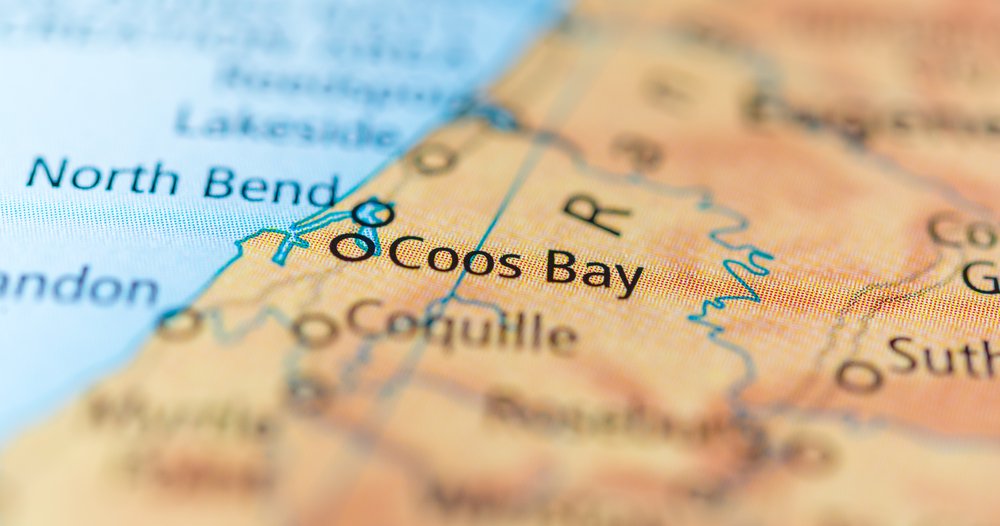
The challenges facing rural colleges are illuminated at Southwestern Oregon Community College (SWOCC). Situated on Oregon鈥檚 coast more than 220 miles south of Portland lies Coos Bay, a town long associated with the timber and fishing industries. For more than 60 years, Coos Bay has been home to SWOCC, a college originally founded by longshoremen to ensure their community had access to life-enhancing education and job-training programs. More than 120 miles away from the nearest four-year university, and about 90 miles from the closest two-year college, SWOCC is the only traditional higher education option for people from the surrounding communities who want to attend college close to home.
Despite its history as Oregon鈥檚 , SWOCC finds itself at a crossroads: enrollment has significantly declined since the onset of the COVID-19 pandemic and members of the community often question the value of higher education. Because of this, Dr. Patty Scott, SWOCC鈥檚 President, explained, 鈥淲e鈥檝e expanded on the original mission [to] more broadly to bring in our community even if they don鈥檛 want a degree or certificate鈥� Our focus now on serving adult students…is new.鈥� SWOCC now views enrolling adult students鈥搃ncluding those who stopped out since the onset of the COVID-19 pandemic鈥揳s a necessary way to serve its community鈥檚 needs, and is midway through an internal plan to better recruit, and ultimately serve, adult learners.
But this work is not easy. While colleges can rely on to reach traditional-age students, it鈥檚 challenging to find and communicate with potential adult learners. Given that adults often learn about college options through , SWOCC will need to create a tailored outreach campaign to effectively reach adults in their communities. Complicating this further, Dr. Scott shared that there is 鈥渁 very non-college-going culture鈥� throughout the community SWOCC serves, which challenges the college鈥檚 ability to help address the community鈥檚 needs. Dr. Scott explained, 鈥淭he non-college going culture鈥tarts in the home. It is with students who can鈥檛 get their parents to fill out the FAFSA and are told 鈥榶ou don鈥檛 need to go to school I just did fine without it.鈥欌��
But this feeling no longer aligns with the economic reality of the area. 鈥漈his community has struggled since the timber industry went into decline in the 1980s, '' said Dr. Scott, “It doesn't have a very robust middle class [anymore]. There used to be [more economic opportunities] here.鈥� The college wants to help solve this problem to ensure members of its community have pathways to economic security.
While SWOCC struggles to connect with community members regarding the value of postsecondary education, the benefits of college have never been greater. Not only does college completion increase wages and economic security of individual students, but it can improve the wellbeing of entire communities.
To Dr. Scott, this wellbeing of rural Southwestern Oregon depends on having enough people with degrees to fulfill the region鈥檚 workforce needs and build new economic opportunities. She explained that 鈥渢he bottom line is you need, for any community to be healthy, people to have various levels of education. You won鈥檛 have a robust education or medical system if you鈥檙e not training people鈥�.
While SWOCC is already graduating many members of the community to enter into vital occupations, their broader message鈥揳nd ability to impact the region鈥檚 workforce needs鈥搃s still limited. 鈥淲e just had graduation鈥round 50 nurses are walking out the door and they鈥檒l make $75k-80k or more [without having to move far away]鈥� said Dr. Scott. This shows that SWOCC already has the career and technical education programs necessary to help train adults to fulfill important, high-paying jobs in the community. But to better help achieve the region鈥檚 broader needs, SWOCC needs to expand the scope of these programs to train as many adults as possible.
To better connect with adults in its community, SWOCC should improve their website and outreach efforts, make select career and technical education programs free and accessible to adults, and better support re-enrollment and completion efforts. If SWOCC can make their most impactful career and technical education programs more accessible to adults, and if they can market these programs effectively, they will be in a position to help their broader community see the value of postsecondary education. In doing so, SWOCC could help increase the economic stability of Southwestern Oregon.
As SWOCC seeks to better serve adults from the community, they face an uphill challenge of overcoming deeply held community beliefs regarding the value of higher education. However, SWOCC has an opportunity to help its community access life-enhancing education and job training skills capable of increasing wages and addressing the community鈥檚 economic and social needs. While SWOCC plans concrete reforms to better recruit鈥揳nd suit the needs of鈥揳dult learners, rural colleges across the country can learn from their efforts.
Enjoy what you read? Subscribe to our newsletter to receive updates on what鈥檚 new in Education Policy!
Senior Policy Analyst, Center on Education & Labor