
SDPD Shares Its License Plate Database with Border Patrol鈥攁nd Hundreds of Other Agencies
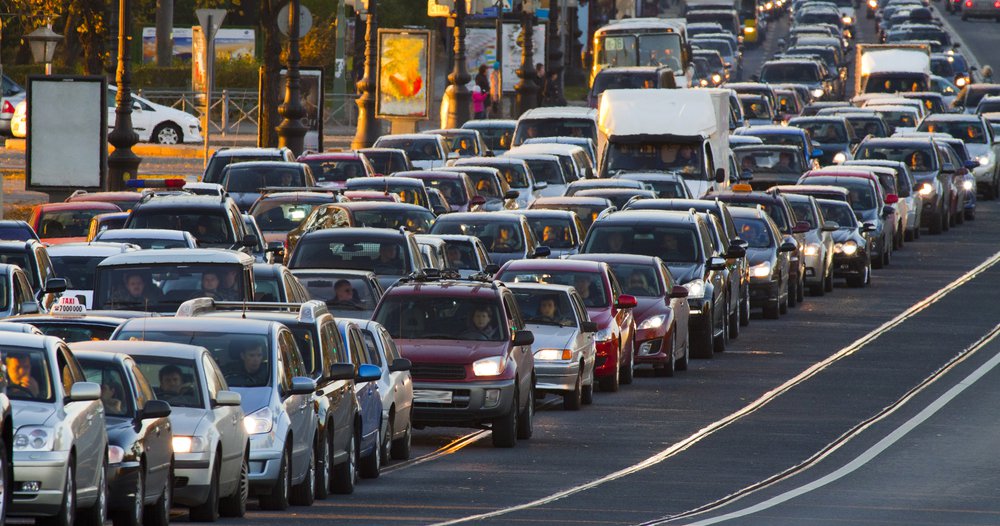
The San Diego Police Department has collected a massive database that tracks where cars go in the region, using a network of cameras that scan license plates and record the date, time and GPS location of the cars that pass by them.
SDPD shares that database with the San Diego sector of Border Patrol 鈥� and with another 600 agencies across the country, including other agencies within the Department of Homeland Security.
The nationwide database is enabled by Vigilant Solutions, a private company that provides data management and software services to agencies across the country for LPR systems.
Together, the widespread information-sharing across agencies creates a surveillance network that can sketch out the travel patterns of individuals 鈥� where they live and work or which places they frequently visit, for instance 鈥� that can lead officers to where they might find them or their car. Officers can also upload plate numbers to get notified in real time when a specific vehicle next encounters a camera.
Details of how SDPD uses its license plate reader database and with whom it shares that data are laid out in records it provided听听from the Electronic Frontier Foundation, a digital privacy organization that听听across the country to learn how law enforcement is using license plate reader technology.
SDPD, according to its current and former chiefs, does not proactively participate in federal immigration enforcement. Department leaders have said they believe undocumented residents should feel comfortable reporting crimes and cooperating as witnesses. Other California cities that object to local law enforcement officers participating in federal immigration enforcement efforts likewise make their license plate data available to immigration agencies, as Slate听.
But SDPD has broad leeway within Vigilant鈥檚 operating system to decide which agencies can access license-plate data collected here.
SDPD has elected not to limit which agencies can access that data. A spokesman for SDPD initially told VOSD that the department had no control over its information, and that only Vigilant could decide who sees the data.
鈥淥nce it goes in (to Vigilant) it鈥檚 not ours to share,鈥� said Lt. Brent Williams, an SDPD spokesman. 鈥淚t鈥檚 their information. Their policy is they share with all law enforcement agencies.鈥�
That isn鈥檛 true, and the spokesman has since conceded as much.
A memorandum of understanding between SDPD and Vigilant stipulates that each agency retains ownership of its data, and can take steps to determine who sees it. A Vigilant Solutions user manual spells out in detail how agencies can limit access to their data.
鈥淚f the Agency Manager wishes to remove an Agency from their Share, they can select the Agency by highlighting it and clicking 鈥� Remove鈥�,鈥� the manual reads.
鈥淎fter talking to our administrator, we are the choosers of who we share with,鈥� Williams said in a follow-up interview. 鈥淎nd so, cross-jurisdiction, we get license plate information from all over the county and country, depending on who we choose to share with.鈥�
That makes agencies like the San Diego Sector of Border Patrol a few keystrokes away from having a picture of when and where specific cars travel within the region.
Williams said providing that information is not a contradiction of the department鈥檚 decision not to participate in immigration enforcement.
鈥淭he chief鈥檚 position is that he is here to serve and protect anyone regardless of immigration status,鈥� Williams said. 鈥淲e don鈥檛 actively provide information to (Border Patrol) among people we know have an illegal immigration status. That鈥檚 not our role.鈥�
SDPD鈥檚 sharing doesn鈥檛 stop at Border Patrol.
罢丑别听听with near immediate access to the travel habits of San Diegans includes law enforcement partners you might expect, like the Carlsbad Police Department 鈥� with which SDPD has听, through听听听鈥� but also obscure agencies like the police department in Meigs, Georgia, population 1,038, and a private group that is not itself a police department, the Missouri Police Chiefs Association.
Those organizations have access to thousands of pieces of information about local travel behavior. In 2016, SDPD听听into the database.
Williams said SDPD does not conduct any sort of cost-benefit analysis about its data-sharing approach. It does not, for instance, make any attempt to weigh the privacy cost of sharing against the law enforcement benefit of having access to the larger pool of information.
鈥淲e purely look at it as, our pond is small,鈥� he said. 鈥淲e can only get so much information. Now, we have a much larger amount of information. If a car leaves state lines, we couldn鈥檛 find it. It gives us those investigative tools to move our cases forward.鈥�
Josh Chanin, a criminologist and professor of public affairs at San Diego State University, sees a number of problems with SDPD鈥檚 use of license plate reader data.
For one, he said it鈥檚 concerning that the department initially said it had no control over who sees the data 鈥� and it鈥檚 even more concerning that it turned out to be unaware that it could, in fact, decide with whom to share the information.
鈥淭he idea that their first response was, 鈥榃e don鈥檛 have control over this data,鈥� suggests that they鈥檙e comfortable with outsourcing the responsibility of civil liberties, privacy and data control,鈥� he said. 鈥淎nd the fact that they were wrong about that underscores the point. What it tells me is, at minimum there was no real robust debate about the costs of these products.鈥�
But more than that, Chanin said he isn鈥檛 convinced license plate readers are effective law enforcement technology in the first place.
Indeed, there鈥檚 mixed evidence on their effectiveness. A听听found that license plate readers used in crime hot spots don鈥檛 seem to deter crime.听听from one of the same researchers and others found that they can be effective at deterring drug crimes if used in specific areas for short periods. A听听found they can be effective in combating auto theft.
San Diego鈥檚 data, however, shows there aren鈥檛 many crimes being solved through license plate readers. Of SDPD鈥檚 493,000 license plate scans in 2016, just one was associated with a felony, according to data produced in EFF鈥檚 records request. That year the system did scan 35 stolen cars and another 48 stolen plates.
鈥淚t鈥檚 a policy boondoggle,鈥� said EFF senior investigative researcher Dave Maass. 鈥淸License plate readers] aren鈥檛 super effective, based on their own data. They鈥檙e just collecting information in case they need it one day down the road.鈥�
Chanin said the most important question is whether the cameras are effective.
鈥淭here are ostensible benefits in locating stolen cars and serving warrants. At best, you could say that the empirical support for these technologies is mixed 鈥� at best. I can respect that (SDPD) is focused on solving crimes 鈥� that鈥檚 what they鈥檙e charged with doing,鈥� he said.
But, he said, SDPD is not alone in its responsibility. It鈥檚 the City Council鈥檚 responsibility to step in if the department is singularly focused on the technology鈥檚 law enforcement benefits.
鈥淭here has to be some kind of oversight that revolves around regular reporting on the value and benefit of these technologies,鈥� Chanin said. 鈥淗ow many stolen cars have they found, not just in general, but compared to what a standard patrol would find? How much help did they get for sharing data with a random town in Alabama? There are costs that need to be weighed both at the onset and throughout, and it doesn鈥檛 sound like the Council or SDPD has taken to heart those trade-offs.鈥�
This article in the Voice of San Diego.
More 国产视频 the Authors
Related

Built to Last: How Leaders Are Creating Sustainable Early Childhood Funding

Pre-K Is Having a Curriculum Moment. A Professional Learning Movement Needs To Follow.

Federal Early Education Update: June 2026
