Elise Franchino
Program Manager, National Commission on Learning Ecosystems
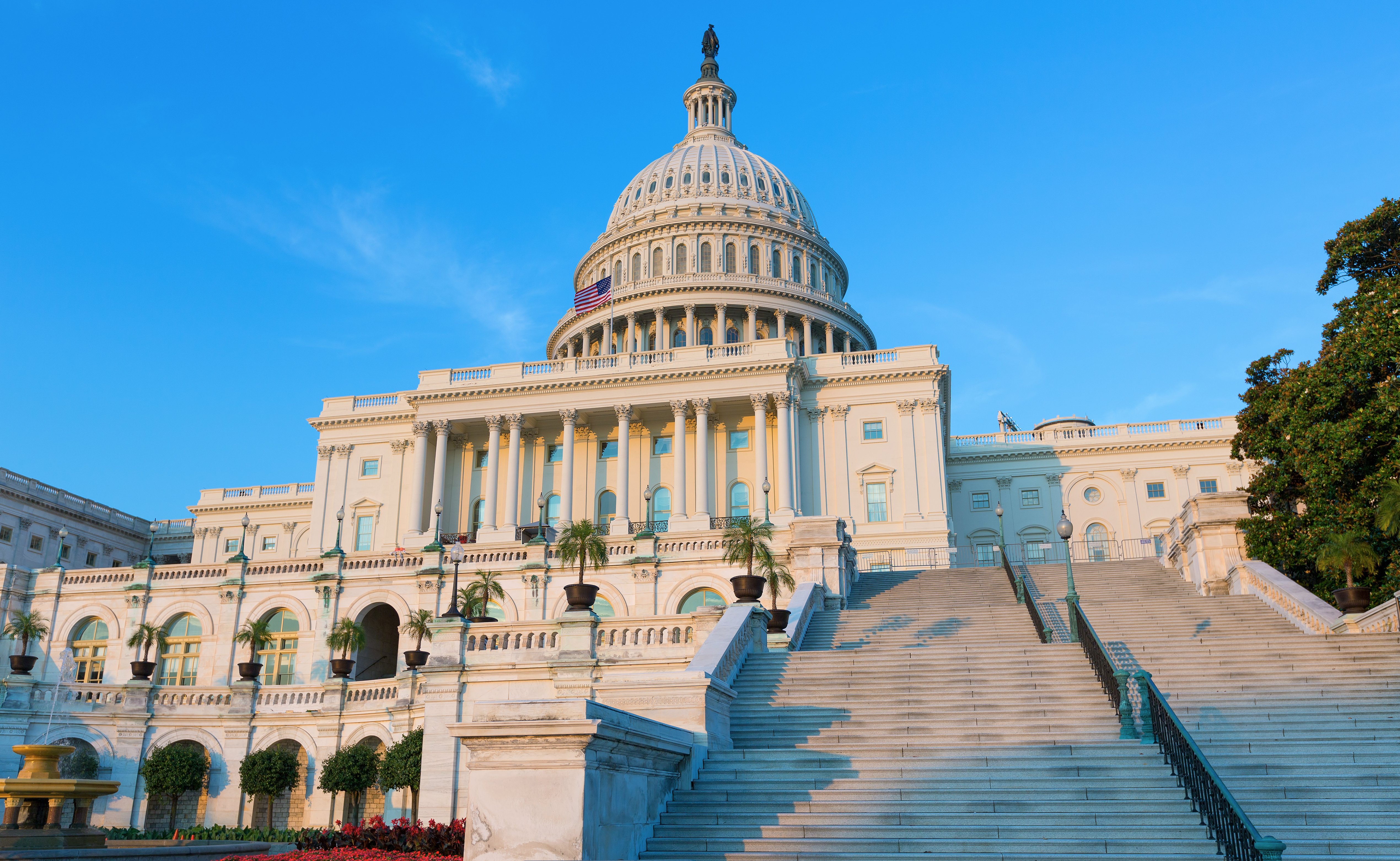
In early February, the House Education and Labor Subcommittee on Early Childhood, Elementary, and Secondary Education held a on America鈥檚 ongoing child care crisis. Dilemmas around parents鈥� inability to and high-quality care, the growing paucity in , and reprehensibly low compensation for early educators were brought before the committee by a panel of expert witnesses.
Taryn Morrissey, associate professor in the School of Public Affairs at American University, spoke first. Her conveyed the ways in which underinvestment by the government preserves and deepens economic inequality for early educators and families alike. 鈥淢ore public investment is needed to help ease the cost burden for families and ensure that a trained, stable workforce has adequate compensation,鈥� Morrissey explained.
The second was given by Nancy Harvey, a family child care (FCC) provider from Oakland, California. Harvey described the struggle of maintaining a financially solvent business amidst rising costs, which has often left her 鈥渃oming up short,鈥� juggling overdue bills, and witnessing colleagues closing programs or relocating. 鈥淗ow are we supposed to teach children to grow up with dignity and respect,鈥� she asked, 鈥渨hen all too often it鈥檚 so hard to feel this ourselves because we struggle to pay bills, plan for a financially secure future, and have our critically important jobs overlooked by so many of those in power?鈥�
Linda K. Smith, director of early education at the Bipartisan Policy Center, was next to . 鈥淟ayering on programs and funding streams has resulted in a maze of programs that both parents and providers have difficulty navigating, 鈥� Smith asserted. 鈥�It鈥檚 time to rethink child care in America.鈥� She proposed several principles to 鈥渕ake reform a reality,鈥� which included prioritizing families鈥� preferences and families with the greatest need; inciting greater participation from businesses, philanthropies, and states; supporting early educators; learning from programs that work, like Early Head Start and military child care; and ultimately reconstructing the entire system.
The final was given by Ang茅lica Mar铆a Gonz谩lez, who is a member of MomsRising, a law clerk, and a single mother raising three children in Seattle, Washington. 鈥淭he child care crisis that鈥檚 happening right now has had a profoundly harmful impact on my family,鈥� she began.
Gonz谩lez described the challenges of being a new mother at age 17 and needing child care to finish high school. Facing a waitlist of over a year, she relied on intermittent, unlicensed care while she earned her diploma and bachelor鈥檚 degree. Stable in her early career, an unexpected one-time child support payment of $200 caused Gonz谩lez to lose her child care subsidy. Her costs suddenly escalated from $15 to $800 each month, and despite attempts to take on multiple jobs and find alternative care, 鈥渢he lack of access to child care led to loss of employment.鈥� Soon after, the family lost housing.
From the shelter, Gonz谩lez applied and was accepted to law school, and once again needed child care. To be eligible for subsidies, she had to work full-time while attending school. The financial burden nearly caused her to drop out, but with the help of her community, she persisted. 鈥淚 have worked hard to have a career and independence. If I鈥檇 had access to quality, affordable child care from the start, my career and kids鈥� lives would have looked very different.鈥�
The hearing continued with questions from legislators on the . Rep. Rick Allen (R-Ga.) inquired about the steady , and whether regulations are to blame. Smith dismissed regulations as the root cause, instead positing that FCC providers are retiring, younger early educators are not stepping into their roles, and costs for FCC providers can be burdensome.
Rep. Jahana Hayes (D-Conn.) asked how the lack of early learning opportunities entrenches and opportunity gaps. Morrissey responded that achievement gaps begin before kindergarten, citing evidence of disparities in babies鈥� by family income, and differences in pre-K participation by income and geography. She asserted, 鈥渢he lack of availability cascades and leads to gaps in achievement which are and are very hard to narrow at that point.鈥�
When Rep. Kim Schrier (D-Wash.) prompted panelists to share the biggest misconceptions about the child care crisis, Harvey underscored the low wages of early educators. 鈥淢any of our staff workers themselves are in poverty. We are actually keeping America working, but ourselves are falling short and struggling to pay our own bills.鈥�
Later, Rep. Bobby Scott (D-Va.), inquired on the appropriate salary. 鈥淚 think child care workers should be paid commensurate with their educational attainment and their skills and experience,鈥� replied Morrissey. 鈥淜indergarten and K through 12 educators are paid much more relative to child care providers, yet they鈥檙e doing the same work.鈥�
Rep. Donna Shalala (D-Fla.) asked the fundamental question. 鈥淲e spent decades filling in the gaps and, in fact the military taught us something very important, and that is: they didn鈥檛 fill in the gaps. They fundamentally rethought their child care system and invested whatever money was necessary. Should we continue to fill in the gaps or should we rethink the entire system?鈥� Smith, who assisted in the transformation of military child care, erred on the side of rethinking the system. She explained, 鈥渙ne of the reasons that we were successful in the military, is that we decided early on that we had to fix it all.鈥�
Rep. Kilili Sablan (D-CNMI), who co-sponsored and made reference to the , concluded the hearing by calling his colleagues to action. 鈥淚 hope that this hearing is the start of getting congress to start really moving forward legislation to provide some relief to this crisis that we have. I look forward to working with our colleagues to ensure that our country sets all families on the path to a healthy and thriving future.鈥�
Program Manager, National Commission on Learning Ecosystems