Brigid Schulte
Director, Better Life Lab
How technology creates more stress in the workplace and hurts workers' health
This week on 鈥淎merican Karoshi,鈥� the fourth season of the Better Life Lab podcast that鈥檚 exploring equity, work stress and the future of work and wellbeing, we dive into the growing phenomenon of 鈥渢echnostress鈥� in the workplace.
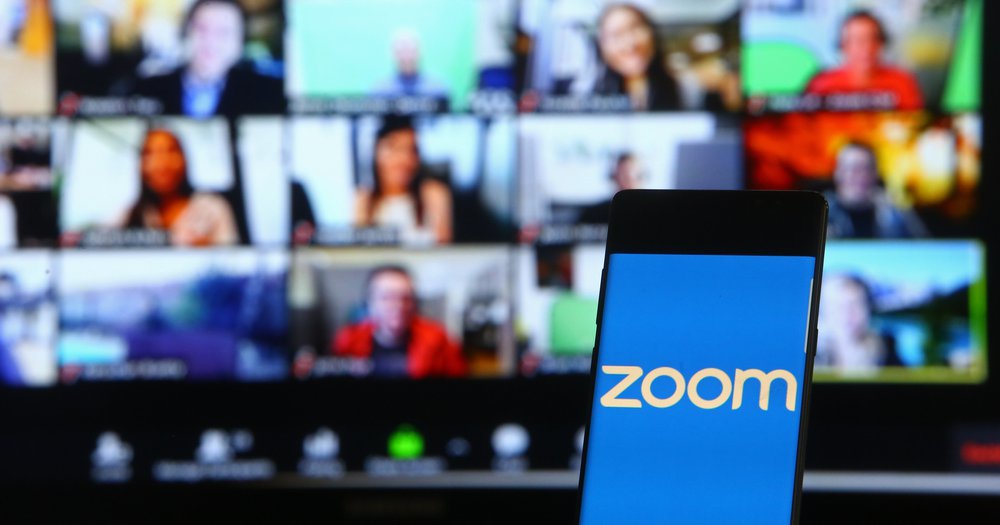
For many workers today, quotas or schedules are dictated by algorithms, resumes are reviewed by artificial intelligence, some workers are constantly surveilled by video cameras, or their every keystroke is monitored by 鈥淏ossware.鈥� An angry email. A snarky Slack message, an eyeroll or interruption in a Zoom or Teams meeting. Technology is one more stressor we鈥檙e having to learn to navigate in modern workplaces.
Researchers are only beginning to study the impact that 鈥渢echnostress鈥� has on workers 鈥� from toxic interpersonal relationships to 鈥渆mail apnea鈥� 鈥� and have found it can lead to work and information overload, and is associated with chronic anxiety, fatigue and a lowered sense of self-efficacy. Technostress and techno-mistreatment can lead to presenteeism, with workers鈥� withdrawing from work and doing the emotional work to cope or recover their mood, as well as a higher likelihood of substance abuse after work. They key to fostering healthier work systems and cultures? It all comes down to trust.
Maybe it鈥檚 no surprise that, according to a New York Times investigation, annual turnover at Amazon warehouses recently topped 150 percent. Or that Madi Swenson, the e-commerce creative director we profile on the podcast episode, quit her job rather than continue to be monitored by Bossware. She began having anxiety and nightmares about the constant screenshots and tracking. 鈥淚t鈥檚 very invasive. It makes me feel disrespected,鈥� she told us on the podcast. 鈥淚 mean, I鈥檓 in a director role and I鈥檓 having someone message me about a few hours of work that I wasn鈥檛 sitting at my desk or I wasn鈥檛 typing actively, or maybe I was checking Twitter. Who knows? It makes me feel very belittled and disrespected in the company.鈥�
For Ashley Nixon, an associate professor in the Graduate School of Management at Willamette University in Oregon who has published widely on stress in the workplace and what it does to us, Bossware is exactly the wrong way to infuse the wonders of technology into the workplace.
鈥淲e have a ton of empirical evidence that shows that surveillance of employees leads to bad health outcomes. It leads to emotional disengagement from work. It leads to creative and knowledge workers being occupied with the monitoring of them, which leaves them with far less mental capacity to actually do the work,鈥� Nixon said on the podcast.
鈥淭his is basically our employers kneecapping us and then expecting us to still perform well somehow. And what I consider this to be is really lazy managers. And I will tell my students, if they do this to their employees, they are an epic failure as a manager in my book. One of the things that has become grossly apparent to HR Professionals is 80 percent of managers do not add value to their organizations.
鈥淓ighty percent,鈥� she continued. 鈥淎nd I would guess that that has gone up since COVID for one simple reason: it is a lot harder to measure the quality of knowledge output than it is to measure the quantity of inputs.鈥�
In other words, as I鈥檝e long argued, it鈥檚 easier for managers to track hours and presence in the office or at the worksite. It鈥檚 much harder to measure performance, tasks and the quality of work. And yet that鈥檚 essential for the work of the twenty-first century and into the future. Managing by input is what keeps managers and companies from experimenting with or embracing digital, hybrid or flexible work, and instead adhering to 鈥渋deal worker鈥� norms of always-on presence, in the office or online, that disadvantages women and caregivers.
It is long past time for that to change. Nixon explained why:
鈥淧eople are leaving their institutions because they don鈥檛 like this Bossware, and people are leaving their institutions because they鈥檙e saying, 鈥榃e want to call you back in situations that you may not be comfortable with,鈥� or 鈥榃e want to penalize you because we need to go back to the old methods of managing you.鈥� We were in a pandemic for two years. Organizations functioned.
鈥淭o come back now and say, 鈥榃hat you did for the past two years was insufficient.鈥� Or 鈥業t was fine, but we don鈥檛 trust you to keep doing it in the future.鈥� It鈥檚 really weird. And it speaks to this violation of trust and, frankly, a social contract. What we know is trust and justice within organizations is a huge predictor of basically all the good stuff we want, right? Satisfaction, commitment, motivation.
But also it predicts all the things that we don鈥檛 want going away. People stay in organizations that trust them, that they feel they are treated fairly in. But they leave organizations that they don鈥檛. So it鈥檚 easier as a manager to not have to tell you that you鈥檙e good or bad at your job or judge the quality of your work. It鈥檚 easier to just say, 鈥榃ell, I spied on your computer for three days and I found you working most of the time, but not all of the time. So you鈥檙e in trouble now.鈥� One of these things is definitely easier, but we wouldn鈥檛 treat people we care about like this and expect them to want to keep functioning or even have a relationship with us. And it turns out employment is fundamentally a relationship between the organization and a human.鈥�
What to do? Better manager training that focuses on developing human relationships and the skills to evaluate performance. Public policies that support schedule control and flexible work. And organizational leaders who set an inclusive culture of psychological safety 鈥�- in person and with technology 鈥� where all can thrive.
Director, Better Life Lab