
The End of Money?

Today, Wired magazine contributing editor released a rallying cry for the anti-cash movement, of which the is a proud leader (and for which USAID recently ): “.” To gather fodder for his book, Wolman鈥檚 lived (almost entirely) without cash for a calendar year, and then explored the technologies that will enable the coming world of what he hopes will be (almost entirely) electronic payments.
Though his background is not primarily in international development or economics, Wolman thankfully realizes that 鈥淭he poorer you are, the higher the costs and risks of cash become.鈥� As he puts it in his Wall Sreet Journal , 鈥淎nyone you know can beg you for a few bucks or steal the hard-earned money that you’re trying to save to pay your children’s school fees. A fire or natural disaster can obliterate your meager savings. And you may have to spend days riding buses and walking to the countryside to deliver cash to, or retrieve it from, a relative.鈥�
We have made a similar case for national governments to money to beneficiaries of public benefit programs instead of handing out cash. In addition to the efficiency and safety benefits that Wolman cites, depositing public benefits such as pensions directly into poor households’ bank accounts, as is done in , has the additional benefits of enabling them to reliably save money and be better prepared for emergencies. Even more broadly, as we have in the context of official development assistance, funds directly to beneficiaries, as opposed to foreign governments or aid agencies, decreases corruption and has a greater impact on the people we aim to help.
In Wolman’s view, 鈥渁 closer look at the long history of cash, its present-day costs and the flood of emerging technologies suggests that we may very well be on the brink of a monetary revolution.鈥� In our view, the revolution can’t come soon enough.
More 国产视频 the Authors
Issues
Programs/Projects/Initiatives
Topics
Related
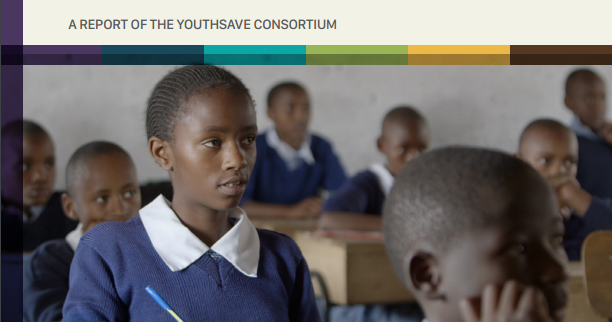
85,000 Low-income Youth Open Savings Accounts through YouthSave
A Conversation on the Weekly Wonk: Should We Bank On It?
Global Anti-Poverty Targets Tepid