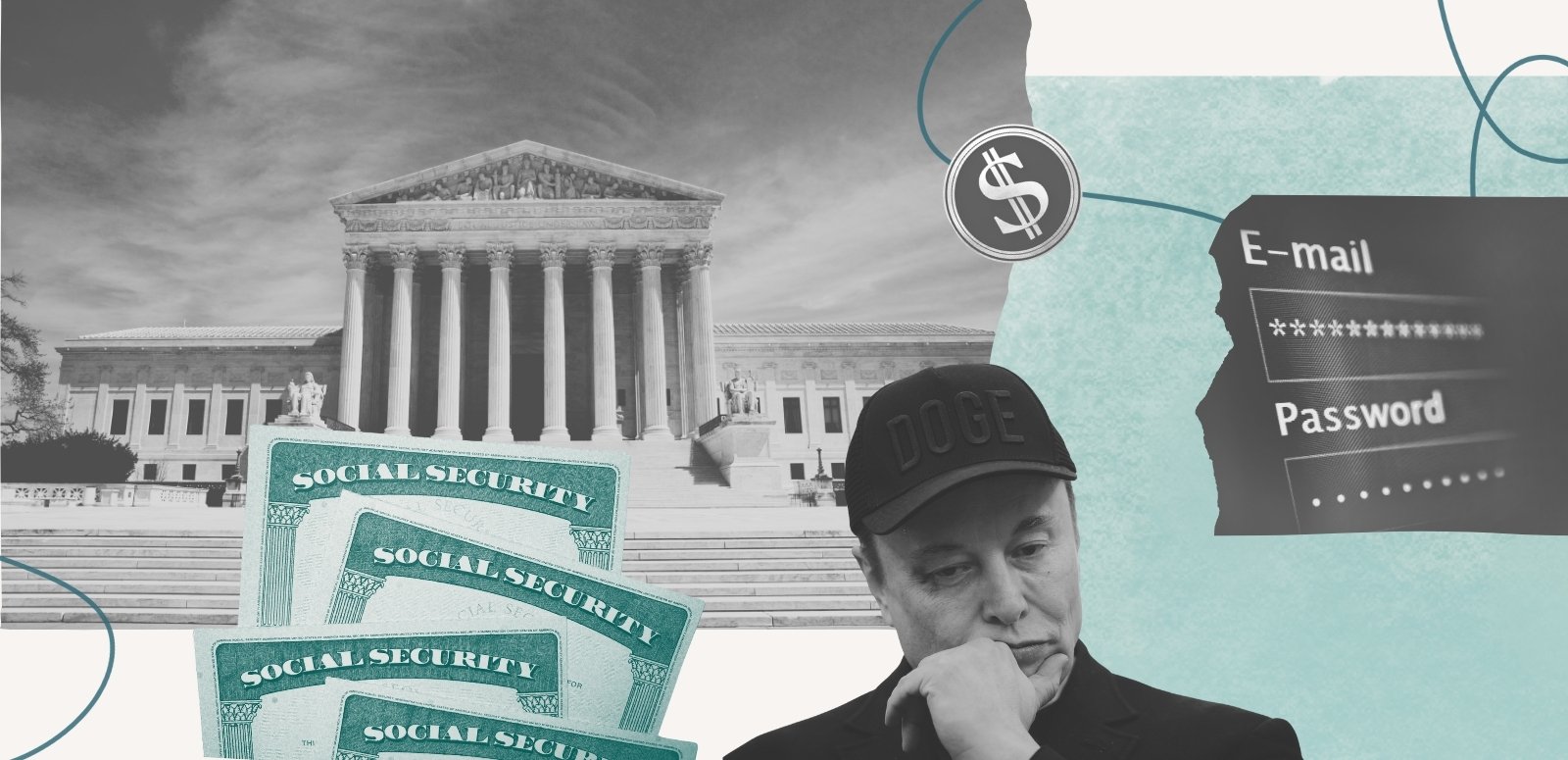
The New Front Facing Down Big Tech

鈥淸Algorithmic] systems rely on the harvesting of vast quantities of personal data鈥� which can result in discrimination鈥� and the manipulation of public debate and the democratic process.鈥�
Though this may sound like the criticism of a member of Congress or digital rights activist, these are actually the words of .
With midterms looming under a shadow of disinformation that social media companies have to address, as well as the still fresh in our minds, new coalitions have emerged with an interest in safeguarding the right to privacy. This growing commitment from a slate of different stakeholders promises progress that would have been unthinkable in years past.
Lawmakers have been perhaps the most visible group to act on the issue recently, securing for bills that strengthen privacy protections for young people and, most notably, introducing the ). This piece of legislation, should it pass, would constitute the first comprehensive privacy law seen in the United States. In the meantime, the Federal Trade Commission is exploring rulemaking that could go to protect this right, focusing on commercial surveillance.
While these actions have captured the , shareholders have been quietly engaging in a of their own. Over the last few years, environmental, social, and governance (ESG) investing has experienced tremendous growth, particularly in the tech world. Meanwhile, over the last year, shareholders have watched tech stocks and corporate power struggles . Some believe this atmosphere of constant upheaval may be the end of the social media鈥揹ominated chapter of the tech boom.
But what this also means is that, for many, 鈥渕onetization at all costs鈥� is no longer the end goal. are now seconding what human rights organizations have been saying for years. Increasingly, this has meant embracing the idea that systemic change in the tech world is necessary if we want to protect the rickety scaffolding of democracy.
That鈥檚 where groups like (RDR) come in. Seven years ago, recognizing the potential of investors to deepen the impact of human rights benchmarks, RDR developed its first in partnership with leading ESG research provider . This created a strong foundation not just to equip investors with data on tech companies鈥� policies and their human rights impact, but also, more recently, to targeting companies who sidestep human rights in direct collaboration with shareholders.
Investors have gotten more human rights issues to a vote at tech companies鈥� annual meetings this year than ever before, at Alphabet, Amazon, Apple, Meta, and Twitter. When they garner strong support, these petitions provide some of the most powerful incentives for a company to change course while indirectly reinforcing the momentum behind legislation such as the ADPPA. Indeed, in many instances, these proposals have questioned the very premise of Big Tech鈥檚 , predicated on monetizing people鈥檚 data.
One brought forth at Meta by Mercy Investment Services (with RDR鈥檚 support) called for a human rights impact assessment of the company鈥檚 targeted ad systems and got a clear majority of shareholders behind it. It is only through lopsided corporate ownership structures that tech CEOs like Mark Zuckerberg are able to formally defeat such proposals. But that doesn鈥檛 break the spirit behind them or the demand for systemic change. Bringing down skewed ownership structures, which provide CEOs and other insiders with outsized voting power relative to all others, is part of the in advocacy.
Other civil society organizations are also recognizing the importance of engaging with shareholders and are showing greater understanding of why we must tackle poor corporate governance structures. More than 20 organizations signed onto RDR鈥檚 calling on the U.S. Securities and Exchange Commission to curb the use of unequal ownership structures. The investor community is also in its opposition to them, and many of our recent conversations show that shareholders would be willing to support legislation to limit their use. New laws are emerging on this front, including the proposed , which would terminate unequal stock structures at companies with a history of misconduct, effectively democratizing the voting process.
Though the tech-fueled threats faced by societies鈥攁nd especially historically marginalized groups鈥攖oday are ominous, more communities than ever before are recognizing, and taking action against, the harmful effects of Big Tech. By embracing collaborative work among these once disparate groups, we may finally be able to begin reforming and dismantling business models that imperil both our democracy and our rights.
More 国产视频 the Authors
Issues
Topics
Related
国产视频 TikTok Deal Is Less 国产视频 Security, and More 国产视频 Consolidating Power

国产视频 TikTok Deal: Who Rules the Algorithm, Rules the Digital Public Square
How We Lost the Internet鈥攁nd How We Might Win It Back