Hollie Russon Gilman
Senior Fellow, Political Reform Program
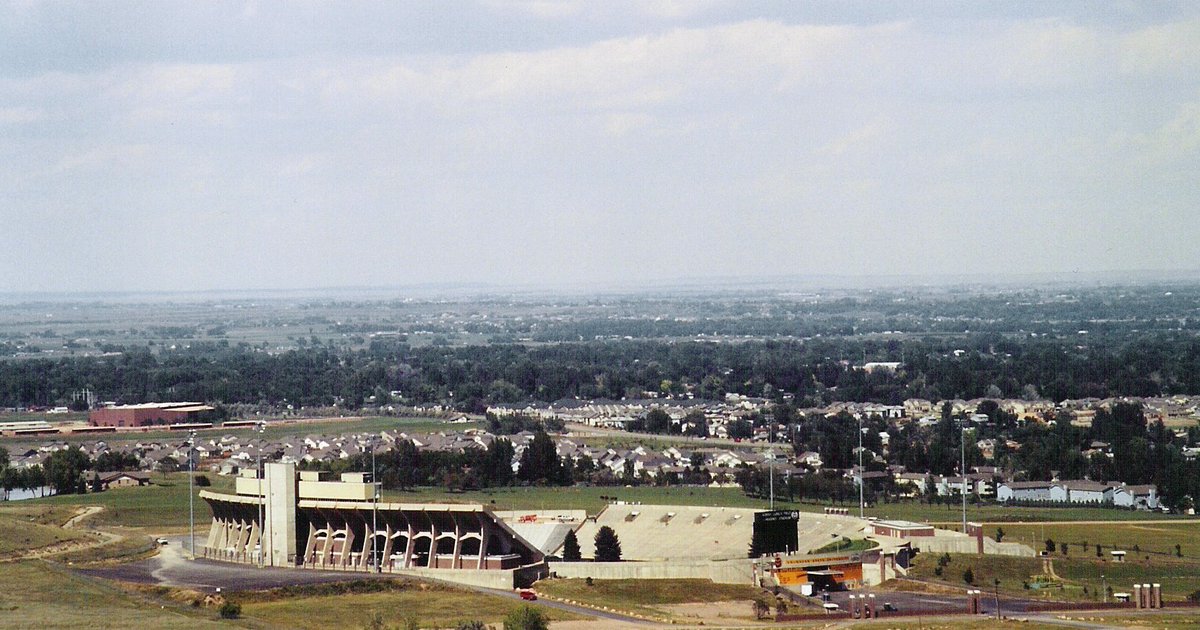

The future of a 165-acre piece of public land in Fort Collins has become a national example of local democracy in action.
In 2021, voters approved rezoning a former stadium site as鈥� Then, in 2024, the City of Fort Collins took a bold step toward participatory governance by convening a 鈥攁 randomly selected, demographically representative group of 20 residents鈥攖o deliberate over the future of the site. To do so, the City worked together with several organizations including , , , as well as dedicated public servants inside city hall and civic leaders.
Over two weekends of expert testimony, structured discussion, and facilitated deliberation, the Assembly produced a nuanced set of recommendations grounded in shared values, civic life, and practical compromise.
The Assembly鈥檚 report called for a multi-use vision鈥攁 blend of ecological restoration, recreation, education, and community gathering. Key recommendations included designating a significant portion of the site as a natural area (roughly 60 acres), establishing trails and bike amenities, creating outdoor learning and cultural spaces, and partnering with for ongoing consultation and stewardship. The Assembly explicitly rejected both total development and total preservation, instead proposing an integrated approach that balanced conservation, accessibility, and community use.
In September 2025, the Fort Collins City Council adopted a modified version of these recommendations, codifying a plan that reflected the Assembly鈥檚 core principles: environmental restoration, Indigenous partnership, and inclusive public use. Yet, a citizen-led organization, , put forth a single-use ballot initiative that would convert the entire site into a protected natural area鈥攅ffectively overturning the multi-use plan. As a result, the planning process for the site was put, again, into question.
To resolve this debate, the City government decided to put forth a citywide referendum, testing whether deliberative democracy could hold up under the pressures of direct democracy.
On Tuesday November 4th, , affirming the multi-use vision and, in doing so, endorsing the process that produced it.
This outcome marks a rare and powerful moment in American local governance: residents not only participated in a new model of democratic deliberation but then collectively validated its results at the ballot box. The Hughes Site process demonstrates that when communities are trusted with real responsibility鈥攁nd their work is guided by evidence, dialogue, and shared purpose鈥攖hey can chart pragmatic paths through divisive issues.
Senior Fellow, Political Reform Program
Program Associate, Political Reform Program