Ben Dalton
Fellow, Future Security
The was brutal yet typical of Russia鈥檚 paramilitary operations in Mali. Scattered across the white sands of the country鈥檚 northern expanse lay dozens of corpses, many of them Russian. Their assailants, a squadron of armed men with heads and faces swathed in the Tuareg tagelmust scarves, methodically searched the bodies for pocket litter. Suddenly, one of the corpses sprang to life. Seizing a rock, he lunged at his attackers. Within seconds, the victors gunned him down鈥攖his time, definitively.
This grim tableau arose from a July 2024 rebel ambush on a convoy of Mali government forces and Russian expeditionary troops that capped a series of skirmishes near the remote outpost of Tinzaouaten with a rebel coalition, the Permanent Strategic Framework for the Defense of the People of Azawad (CSP-DPA). Composed primarily of Tuareg separatist groups, the CSP-DPA has attracted support from an al-Qaeda affiliate known as JNIM (Jama鈥檃t Nusrat al-Islam wal-Muslimin). The clash in Mali marked one of the most deadly involving Wagner Group forces in Africa, with as many as 84 Russians and several taken captive.
The Russians in the video, however, were no longer mercenary Wagnerovtsy. In the wake of Yevgeny Prigozhin鈥檚 mutiny and subsequent death in the summer of 2023, Russia鈥檚 defense ministry folded remnants of the Wagner Group into the newly formed Expeditionary Corps, or Africa Corps, as it is better known. Many Africa Corps fighters listed as killed in the attack were indeed ex-Wagner, but others were new recruits drawn from across Russia鈥檚 paramilitary communities.
Mali exemplifies the trends following Prigozhin鈥檚 mutiny and death, where continuity has outweighed change. Many of the same fighters who served under Wagner鈥檚 late commander Dmitry Utkin have joined the Africa Corps, which deploys similar assault detachment groups to carry out the same missions: equipment deliveries, training, site protection, and counterinsurgency across Africa. In essence, the Kremlin鈥檚 core strategy has remained in place: proffering security assistance to unstable governments in exchange for access to lucrative extractive sites, simultaneously funding Russia鈥檚 war economy and blunting the impact of Western sanctions.
Although battlefield setbacks have resulted in casualties and reorganization has seen an injection of new recruits, many recognizable faces persist in the fight. Within days, researchers had identified one of the fallen in the battle in Mali as Nikita Fedyanin, administrator of GREY ZONE鈥攁 prominent Wagner Group-linked Telegram channel. Reuters analysis in September 2024 that at least 23 of those killed previously fought in Wagner detachments in Libya, Syria, and Donbas. However, initial reports that top Wagner field commander Anton 鈥淟otus鈥� Yelizarov was among those killed or captured appear to be unfounded.
Russian paramilitaries hired by the Malian government to quell the rebellion have employed scorched earth tactics to achieve their goals. Throughout 2023 and 2024, Russian paramilitary-affiliated Telegram channels published disturbing imagery: beheadings, mutilations, and the recurring motif of burning straw-thatched villages鈥攕tark evidence of the Russians and their Malian client鈥檚 counterinsurgency campaign.
Since Prigozhin鈥檚 death, violence linked to Russia鈥檚 paramilitary Expeditionary Corps, the official name of Wagner鈥檚 successor unit, has escalated, according to an August 2024 report. Under this new banner, the Russians spearheaded the of Kidal, a city in the far north of Mali that had been under separatist control since 2012, and the country鈥檚 largest artisanal gold mine near the village of Intahaka.
Mali has emerged as the bellwether of Russia鈥檚 post-Prigozhin paramilitary strategy. Here, the Africa Corps has experienced its most significant recent successes and failures. Outside Ukraine, Mali is Russia鈥檚 most active combat zone, with an 1,000 irregulars鈥攄own from in early 2023. As the Africa Corps engages in large-scale, offensive missions, Mali serves as a test case for the Ministry of Defense鈥檚 efforts to reassert control over its paramilitaries, ensuring they never again threaten the state.
In the wake of the Wagner mutiny, Russia has exerted its influence across the continent鈥攁nd nowhere more so than in Mali鈥攖o reassure its clients of its ongoing commitment to provide agreed-upon security assistance. This effort has taken the form of frequent high-level delegations to Bamako and other capitals in an intensive campaign of military diplomacy. These diplomatic overtures are also entangled with a broader purge within Russia鈥檚 Ministry of Defense following Prigozhin鈥檚 death; officials sent to Bamako have faced dismissal and arrest mere months after their visits. Yet, the impact of the defense ministry purge and efficacy and sustainability of Russia鈥檚 irregular warfare strategy across Africa remain uncertain, particularly as Moscow grapples with the competing demand for experienced combatants closer to home.
As in other countries, Russia is leveraging its military investment in Mali to secure economic advantages. At the Atomexpo-2024 International Forum in Krasnoyarsk, Mali鈥檚 minister of mines that Krastsvetmet, Russia鈥檚 largest gold refiner and state-owned precious metals producer, will construct a gold refinery in Mali to process ore from the country and surrounding region.
A product of the Soviet-era gulag industrial production system erected under Josef Stalin, Krastsvetmet is that produced the found in Prigozhin鈥檚 residence following the Wagner Group mutiny. In November 2023, the United Kingdom Krastsvetmet to its sanctions list along with 28 other entities and individuals linked to Russia鈥檚 gold trade.
Western sanctions on Russia鈥檚 finance sector and bans on Russian gold exports have created perverse incentives for Russia to expand its military footprint in Africa. Russian plans to establish a refinery build on a similar business model employed in Sudan and could allow Russia to exert more direct control over Mali鈥檚 gold production and exports. The of the Wagner-controlled mine in Sudan in September 2023 amid the country鈥檚 intensifying civil war could explain the aggressive tack Russia has since taken in Mali.
By refining gold locally, Russia could expand its capacity to bypass international sanctions that prevent direct exports of Russian gold to Western markets. Such an outcome would have significant ramifications for the ongoing conflict between Russia and Ukraine, potentially prolonging the war, raising barriers to a negotiated settlement on terms favorable to Kyiv, and imperiling European security in the longer term.
In a similar vein, the state-owned giant Rosatom an agreement with Mali in late 2023 for mineral exploration and nuclear energy production. These deals, requiring significant infrastructure investment and long-term planning, underscore Russia鈥檚 intention to maintain a lasting presence in the country.
The situation in Mali is intricately linked to Russia鈥檚 war effort in Ukraine, extending beyond calculations of security assistance costs and benefits. Africa Corps forces have been to support Russian operations in Ukraine, such as the spring 2024 Kharkiv offensive. The surprise Ukrainian offensive in the Russian region of Kursk in early August 2024 increased the pressure, prompting Russia to based in Burkina Faso for redeployment to the Ukrainian front.
Meanwhile, Ukraine appears to be stirring the pot. Unverified reports suggest that Ukrainian operatives may be CSP-DPA attacks on Africa Corps forces in Mali. These claims echo consistent reports of Ukrainian special forces potentially orchestrating similar attacks in and While the veracity of these reports remains unproven, Ukraine is on the psychological effects of propaganda about a shadow war, conveying the message that Ukraine retains the capability to challenge Russia thousands of miles from its own borders.
At the same time, Ukraine鈥檚 suspected support for anti-Russian forces in Mali and elsewhere has already generated blowback that could reshape Kyiv鈥檚 relations in Africa and other parts of the Global South. In August 2024, with Ukraine in response to reports that Ukraine鈥檚 intelligence service (GUR) provided support to Tuareg insurgents during the skirmish with Russian forces in northeast Mali on the border with Algeria.
Moscow, meanwhile, has continued to pitch the Africa Corps as a new and improved source of security. Trusted operatives from the Prigozhin-era Wagner Group have been into the Ministry of Defense, where they perform largely identical duties. In some instances, Wagner Group branding persists for recruitment purposes and to maintain esprit de corps. Nevertheless, the operational autonomy of Russian irregulars has been significantly curtailed, with fewer intermediaries between paramilitary operations on the ground and defense ministry leadership.
Concurrently, the Kremlin initiated an aggressive purge of the defense ministry, replacing its top leader, Sergey Shoigu, with Putin loyalist Andrey Belousov in May 2024 and removing figures deemed corrupt, incompetent, or affiliated with Prigozhin鈥攃haracteristics that sometimes converged in those targeted. Mali鈥檚 trajectory pulls back the curtain further on Russia鈥檚 irregular warfare strategy, serving as a strong indicator of how this evolving approach might unfold on a global scale and highlights the potential impact on Russia鈥檚 staying power as it continues its war of aggression against Ukraine.
Prigozhin鈥檚 Wagner Group began operating across Africa in mid-2017, if not earlier, establishing strong relationships with leaders in Sudan, the Central African Republic (CAR), Libya, and other nations. In the aftermath of the 2023 mutiny, the Kremlin was keen to assure these leaders that Prigozhin was merely a dispensable frontman and general manager and that Russia remained both committed to and capable of fulfilling existing security agreements. To this end, Russia鈥檚 security strategists pursued a dual approach: intensive military diplomacy and consolidation of control over paramilitary operations on the continent under the new Africa Corps brand.
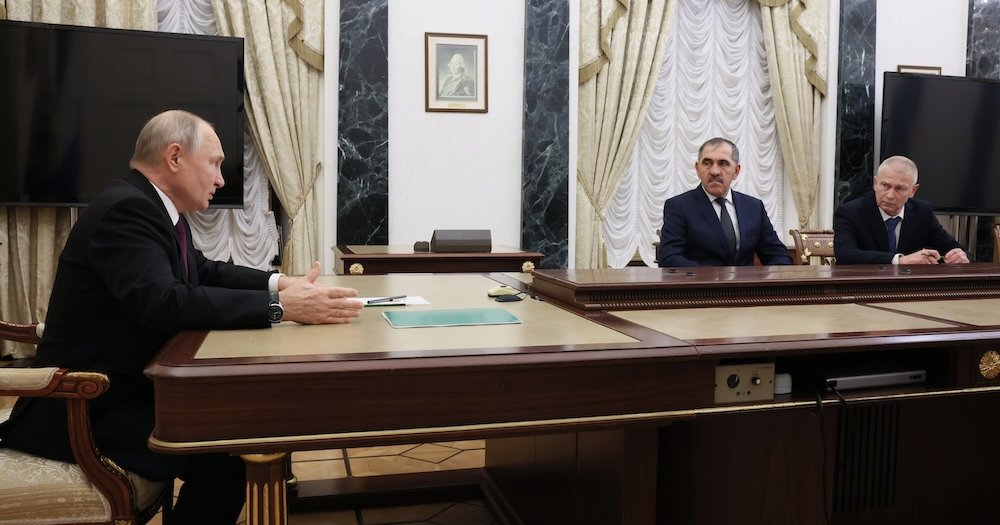
To manage the job, the Kremlin tapped Yunus-bek Yevkurov, a deputy minister of defense and colonel general who had played a highly visible in negotiating during Prigozhin鈥檚 mutiny. Yevkurov鈥檚 appointment was strategic: As a , he had overseen operations out of Rostov, where the 78th Intelligence Center鈥攁 primary channel for defense ministry supplies to the Wagner Group鈥攊s located. Yevkurov, a former leader of a turbulent North Caucasus republic who had successfully quelled a regional insurgency, brought both operational knowledge and a as a skilled negotiator. The Kremlin tasked him with leading a diplomatic offensive to reassure African partners and overseeing the restructuring of Wagner Group missions across the continent into the new Africa Corps.
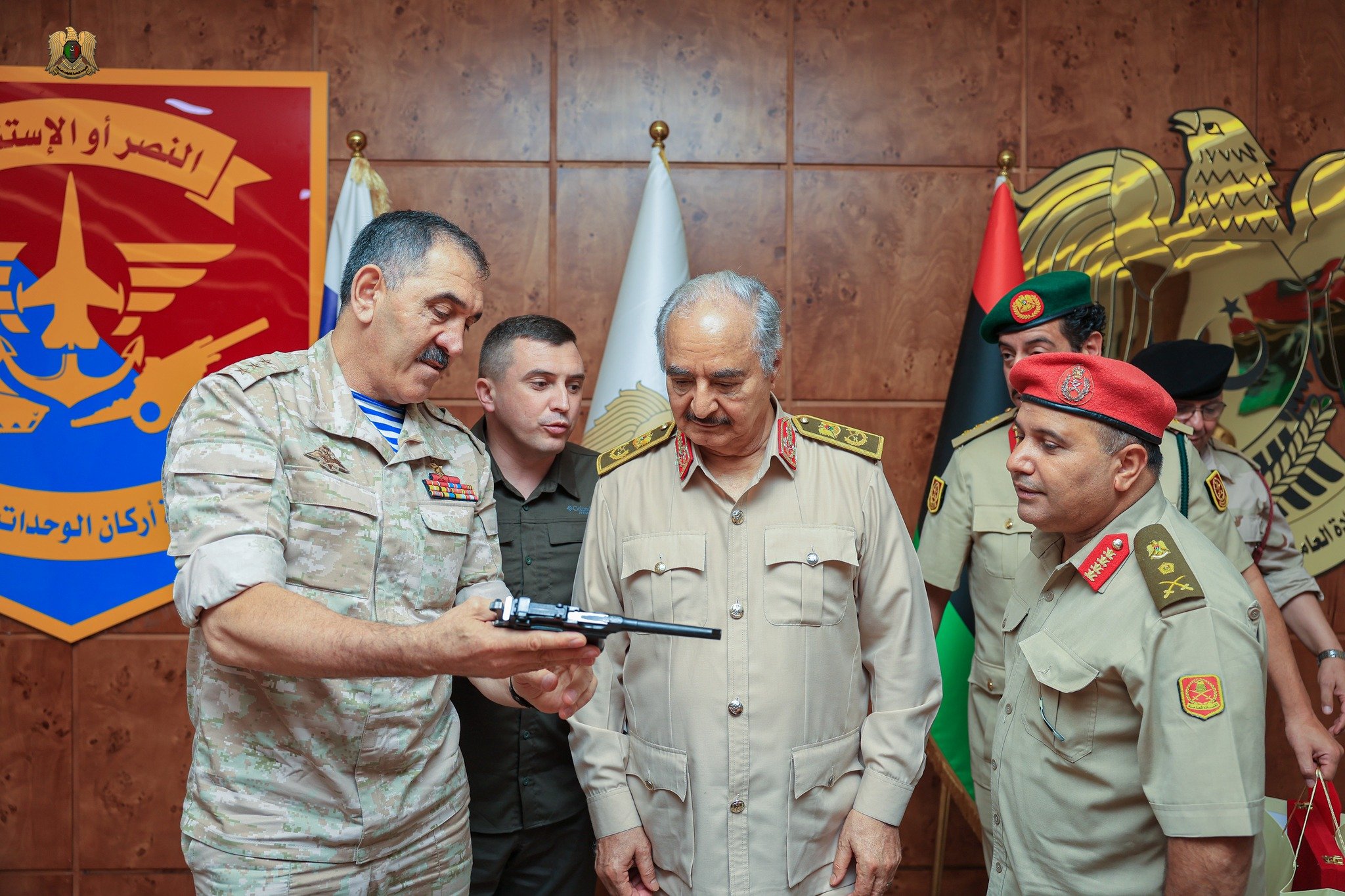
From August 2023 to January 2024, Yevkurov led eight delegations to Russia鈥檚 African partners, often visiting multiple countries on the same trip. He traveled first and most frequently to Libya: once in late August, twice in September, once in December, and once again in January, each time meeting with General Khalifa Haftar, a key Russian ally and leader of the Libyan National Army, which controls much of the country鈥檚 eastern and southern regions. Mali and Burkina Faso were also high on Yevkurov鈥檚 itinerary, each receiving three visits, along with the Central African Republic and Niger.
The decision to establish an Africa Corps may have come after one of Yevkurov鈥檚 meetings with Haftar in Libya, as a popular Russian military blogger , or after the Russia-Africa Summit in St. Petersburg in July 2023, as the Africa Corps鈥� English-language Telegram channel . Regardless of the timing, the Africa Corps strategy was clear: to consolidate Russia鈥檚 irregular forces on the continent under a new, more tightly controlled brand and command structure. For personnel, this meant signing with the Ministry of Defense; those who refused were to leave the country.
Yevkurov鈥檚 delegations included mid- and high-level officials from the Ministry of Defense, as well as members of the Russian military intelligence agency (GRU) and high-level operatives of other Russian paramilitary formations, including:
Partly in response to intelligence failures leading up to the Russian invasion of Ukraine, the Russian intelligence services and now pursue common and often overlapping goals. While initially it seemed that Russia鈥檚 Foreign Intelligence Service (SVR) and the GRU Prigozhin鈥檚 operations in Africa along propaganda and paramilitary lines, the boundaries between their responsibilities have blurred. This distribution of oversight across multiple agencies likely serves, in part, as a safeguard against another loss of control over paramilitary forces鈥攁 response to the vulnerabilities exposed during Prigozhin鈥檚 mutiny.
The Federal Security Service (FSB), a nominally domestic intelligence and counterintelligence agency with a history of , appears to remain active in paramilitary activities in Africa. According to an by The Insider, the editor-in-chief of the African Initiative, an African-facing Russian propaganda outlet launched shortly after Prigozhin鈥檚 death, is a longtime operative of the FSB鈥檚 Fifth Service, the intelligence agency鈥檚 foreign operations division. In addition to in the same geographic regions as Russian paramilitaries, notably in Mali, Burkina Faso, and the Central African Republic, and managing information warfare campaigns in other theaters where Wagner Group remnants operate, the African Initiative was possibly the booster of open for Africa Corps candidates.
After the Russian invasion of Ukraine in February 2022, hundreds of Russian spies under diplomatic cover in Europe were ; some operatives seem to have been reassigned to Africa, and many are allegedly serving Russia鈥檚 foreign intelligence agency, the SVR. Among the most prominent examples was Denis Pavlov, an alleged Russian diplomat to the CAR as an SVR operator by RFE/RL and All Eyes on Wagner. First seen in Yevkurov鈥檚 delegation to the CAR in September 2023, Pavlov allegedly the high-profile Wagner Group commander Vitaly Perfilev, who had as a security advisor and military coordinator for the country鈥檚 president, Faustin-Archange Touad茅ra.
Using facial recognition apps and reverse image searches, 国产视频 and other have identified a number of delegation members who appear to have links to Russia鈥檚 intelligence services:
After the years of denials, subterfuge, and front companies that defined Russia鈥檚 paramilitary strategy, the Africa Corps initiative stands out for its remarkable public visibility. From a public Telegram channel created on the day of Prigozhin鈥檚 death to widely-covered state visits featuring multiple deputy ministers of defense, Russia has abandoned all pretense of deniability in its African paramilitary operations. Yet, despite this reorientation toward more emphasis on unity of command over expeditionary forces, Russian contract soldiers continue to commit, glorify and memorialize atrocity crimes on camera in virtually every theater of operation.
The explicit links between these forces and the state make Russia鈥檚 potential responsibility for atrocities and breaches of international law more evident, opening the way for action on accountability under universal jurisdiction and other international legal principles. The fact that these ties arise out of pre-existing organizational structures managed primarily by the GRU also holds implications for atrocities committed before the mutiny and Wagner commanders who have since joined Africa Corps.
In the aftermath of the mutiny, Putin methodically purged Russia鈥檚 military establishment, targeting officials who were linked to Prigozhin, implicated in large-scale graft, tainted by the mishandling of the Wagner mutiny, or all of the above. Many had longstanding ties to Prigozhin and the Wagner Group, often dating to the group鈥檚 early operations in Syria. Some were accused of self-dealing and taking kickbacks on defense contracts, potentially undermining Russia鈥檚 military readiness. This purge reached the highest levels of the Ministry of Defense, including a deputy minister of defense, Timur Ivanov, who had joined Yevkurov鈥檚 delegations to client states across Africa.
The impact of the purge varied: Loyalists like Sergei Shoigu were reassigned to comparable government posts, while others faced rigorous FSB investigations, including some among the 42 or more high-ranking military and government officials who were, according to leaked documents, given honorary VIP status by the Wagner Group. This purge, however, was not solely a reaction to the Wagner mutiny but part of a longer process that Putin had already set in motion. For instance, Rustam Muradov, a Wagner VIP who likely first connected with the group through his previous role as Russia鈥檚 liaison to the Donbas ceasefire coordinating body, was from his Eastern Military District command in April 2023, two months before the mutiny. This suggests that Putin was already working to address both military ineffectiveness and potential threats within the ranks.
The Wagner mutiny in June 2023, then, accelerated the reshuffling of military leadership, particularly affecting those with close ties to the group. At least two other Wagner VIPs faced significant consequences. Sergei Surovikin, a close Prigozhin ally nicknamed 鈥淕eneral Armageddon鈥� for the devastating air campaign he led in Syria, had already been demoted in January 2023 from his role as overall commander in Ukraine. Following the mutiny, he was suspected of complicity, , and disappeared from public view.
On August 22, 2023, just one day before Prigozhin鈥檚 death, the defense minister Surovikin from his position as Commander-in-Chief of the Aerospace Forces, setting the stage for a broader reshuffling of Russia鈥檚 top brass. Yet another Wagner VIP, , who had played a decisive role in Wagner鈥檚 early history by directing troop movements to Crimea in 2014, also saw a significant career shift. In November 2023, he was from his position as commander of the Russian Armed Forces Group in Syria to chief of staff for the Russian-led Collective Security Treaty Organization (CSTO).
In 2024, Putin鈥檚 purge expanded, targeting the upper echelons of defense leadership. In April, Russian authorities deputy defense minister Timur Ivanov, a close ally of Shoigu who had recently traveled to Africa with Yevkurov鈥檚 military delegations. Investigators alleged that Ivanov, known for , received the ruble equivalent of a from defense contractors. According to Dossier Center , Ivanov played a significant role in most of Prigozhin鈥檚 companies鈥� official government procurement contracts, which were diverted to fund the Wagner Group. Ivanov was reportedly in negotiations with Prigozhin鈥檚 son Pavel in November 2023 about a quid pro quo exchange involving control of oil and gas fields in Syria and diamond mines in the Central African Republic secured by Wagner in exchange for Ministry of Defense support for Wagner Group veterans.
The purge intensified in May 2024, marking a significant shift in the Kremlin鈥檚 power structure. Defense Minister Shoigu was appointed Security Council chief. While not a demotion per se, the move signaled not just a reorganization but a reorientation of Russia鈥檚 war strategy. In the following days, a wave of departures, dismissals, and arrests swept through the upper ranks of the military leadership.
Ruslan Tsalikov, deputy minister of defense for housing, construction, and medical services, a longtime close confidant of Shoigu and, according to leaked memos, deeply involved in guiding the Wagner Group enterprise, to pursue a career in local politics in the remote region of Tuva.
Yuri Kuznetsov, head of the Main Personnel Directorate of the Ministry of Defense, was on suspicion of accepting bribes. Ivan Popov, the former commander of the 58th Army who had Shoigu and Gerasimov for 鈥渢reacherous and backstabbing decapitation of the army at the most difficult and grueling moment,鈥� was on charges of fraud. Vadim Shamarin, Deputy Chief of General Staff and head of military communications, was on charges of bribery. Hours after Shamarin鈥檚 arrest, Vladimir Verteletsky, a senior procurement officer, was also on charges of abuse of power and bribery.
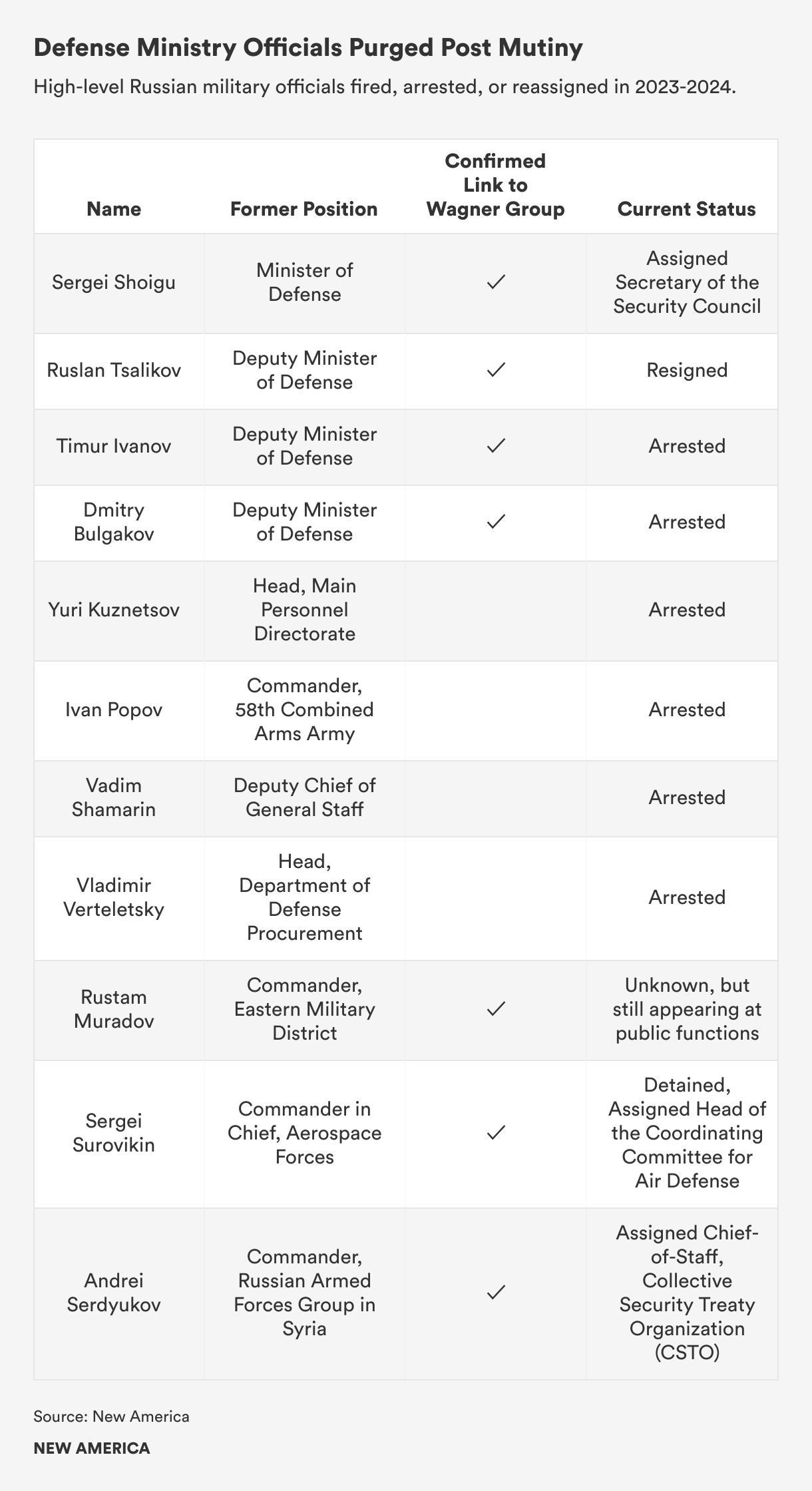
The targets of the purge signaled that the Kremlin was not only targeting those with ties to Prigozhin but also streamlining the war effort and addressing systemic challenges that had plagued Russia鈥檚 military performance in Ukraine. Shoigu鈥檚 replacement as Minister of Defense was , an economist by training who, in prior roles, had Prigozhin鈥檚 management of the Wagner Group, acting as a channel for communication between Prigozhin and Putin. His appointment signaled that the Wagner Group strategy of irregular warfare was coming under new management by a tested Putin loyalist.
Deputy defense minister Timur Ivanov鈥檚 arrest in April 2024 re-exposed the sinews of a larger network of political and economic interests linked to Russia鈥檚 irregular forces. Ivanov鈥檚 connections extended beyond Shoigu to Gennady , a commodities trading magnate with close ties to Putin who has been under sanction since the 2014 invasion of Crimea.
According to the U.S. Treasury Department, Timchenko holds , a Russian energy construction company named in a leaked document as a facilitator of Redut, a corporate hub for Russian irregular forces. Russian media are that Timchenko and Oleg Deripaska, another commodities trading titan linked to Wagner鈥檚 competitor Redut in a , may also fall victim to the shakeup.
Timchenko鈥檚 businesses benefited handsomely in recent years from the success of Russia鈥檚 Middle East strategy. In Syria, Stroytransgaz played a pivotal role in constructing and operating hydrocarbon extraction and transportation infrastructure, and their profits soared in 2017 during Surovikin鈥檚 command of Russian forces in the country: Stroytransgaz millions from and oil and gas facilities captured from ISIS by Russian forces, including Wagner. Meanwhile, Redut, a Wagner Group rival with close ties to Russian military intelligence, at Stroytransgaz facilities in the country.
Another node in the Timchenko鈥揑vanov network was , secretary of the State Council by Putin in May 2024. Dyumin鈥檚 ties to Prigozhin dated to his appointment as Putin鈥檚 head of security in 2000. Their business dealings accelerated after Dyumin was appointed deputy chief of the GRU in 2012, smoothing the way for several lucrative defense contract awards to Prigozhin鈥檚 companies. During Dyumin鈥檚 governorship of Tula Oblast, he oversaw construction of a local Patriot Park, which to Prigozhin鈥檚 construction and cleaning businesses鈥攎irroring a larger Patriot Park near Moscow, completed in 2015 under Ivanov鈥檚 leadership at Oboronstroy (a defense ministry subsidiary), that Prigozhin鈥檚 enterprises.
The Patriot Parks were reportedly just one facet of a larger network of lucrative construction projects benefiting the Timchenko-Ivanov faction. Ivanov in Capital Perform, which controlled Consortium Energoresurs LLC, a subcontractor to Timchenko鈥檚 Stroytransgaz. This partnership secured contracts for bridge construction in and , projects that while draining billions of rubles from state coffers. Ivanov鈥檚 role as a deputy minister of defense placed him in the catbird seat, overseeing military construction and procurement and allowing him to award contracts that benefited both himself and his allies.
Putin now appears to be targeting the network that powered Prigozhin鈥檚 rise and facilitated the Wagner Group鈥檚 operations, arresting those like Ivanov and reassigning figures like Dyumin who are too close to dispose of entirely. Putin鈥檚 motivations seem rooted in a perceived need to curb blatant corruption, which could undermine the state during a long-term conflict with Ukraine and its Western backers. Prigozhin鈥檚 mutiny exposed vulnerabilities in his regime, and so Putin is tightening the window of acceptable self-dealing. As he did upon assuming the presidency in the 2000s, Putin is sending a message: Wealth accumulation is permissible, but loyalty and subservience to the state are paramount.
The Wagner Group, as it existed under Prigozhin, is defunct. Initially conceived as a clandestine paramilitary, its function was to further Russia鈥檚 interests globally, offering a cost-effective, deniable means of doing so. Leveraging his extensive network of businesses, Prigozhin managed logistics, financing, and public relations, diverting attention from the architects behind the scenes. Meanwhile, the Kremlin placed veterans of Russia鈥檚 military and intelligence services in key roles in the state鈥檚 security apparatus to oversee Wagner鈥檚 military operations and maintain control. Much of that networked architecture remains, albeit with new labels and constraints.
Following Prigozhin鈥檚 death, Russia鈥檚 irregular forces have begun stepping into the light. The Africa Corps requires personnel to sign contracts with the Ministry of Defense, a state entity, while deputy ministers of defense reaffirm Russia鈥檚 commitment to the security of countries where Wagner Group affiliates were deployed. In Ukraine, the primary successor to the Wagner Group, Redut, hardly bothers to conceal its true nature as a front for a GRU-run recruitment network. Redut recruiters its status as a 鈥渇ake company鈥� during phone conversations with potential recruits.
Two main elements of the Wagner Group remain: its people and its brand. Although Prigozhin and Wagner鈥檚 legendary field commander Utkin are dead, the majority of the Wagner Group command structure continues in new roles, often with very similar mandates. Prigozhin鈥檚 number two, Andrei Troshev, for example, continues to work behind the scenes within the Ministry of Defense to funnel men and supplies to the frontlines in Ukraine. Many of the Wagner Group rank-and-file have found their way to other irregular formations.
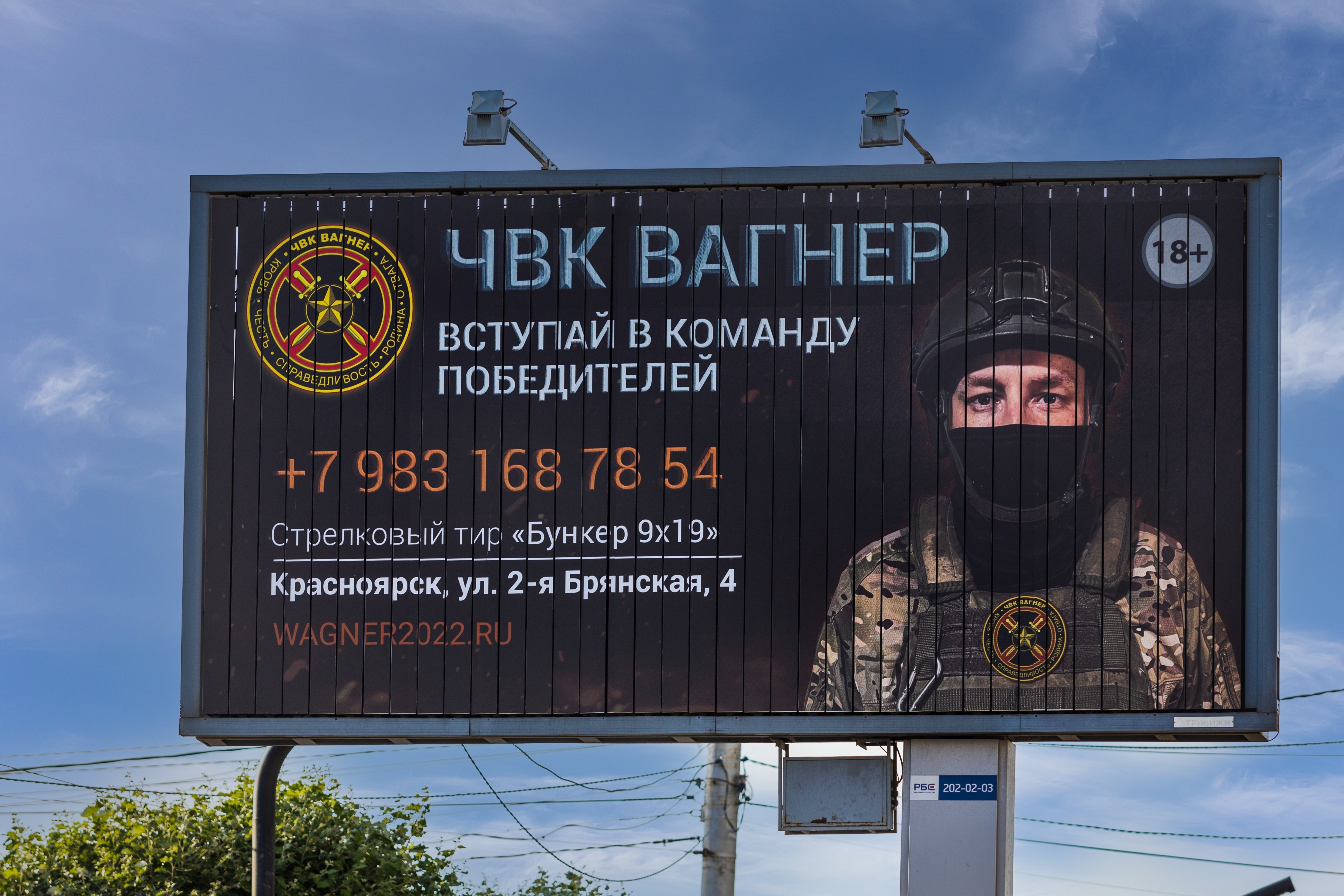
The Wagner Group brand lives on, a ghost in Russia鈥檚 defense鈥搃ndustrial machine, an unofficial emblem allowed to continue existing thanks to its symbolic power and the ties to client states that Prigozhin and his men cultivated. The group鈥檚 recruiting network , with new mercenaries being sought for deployment to countries such as Mali. In the Central African Republic, crowds of youth still proudly Wagner Group t-shirts while staging motorcycle rallies in support of the organization.
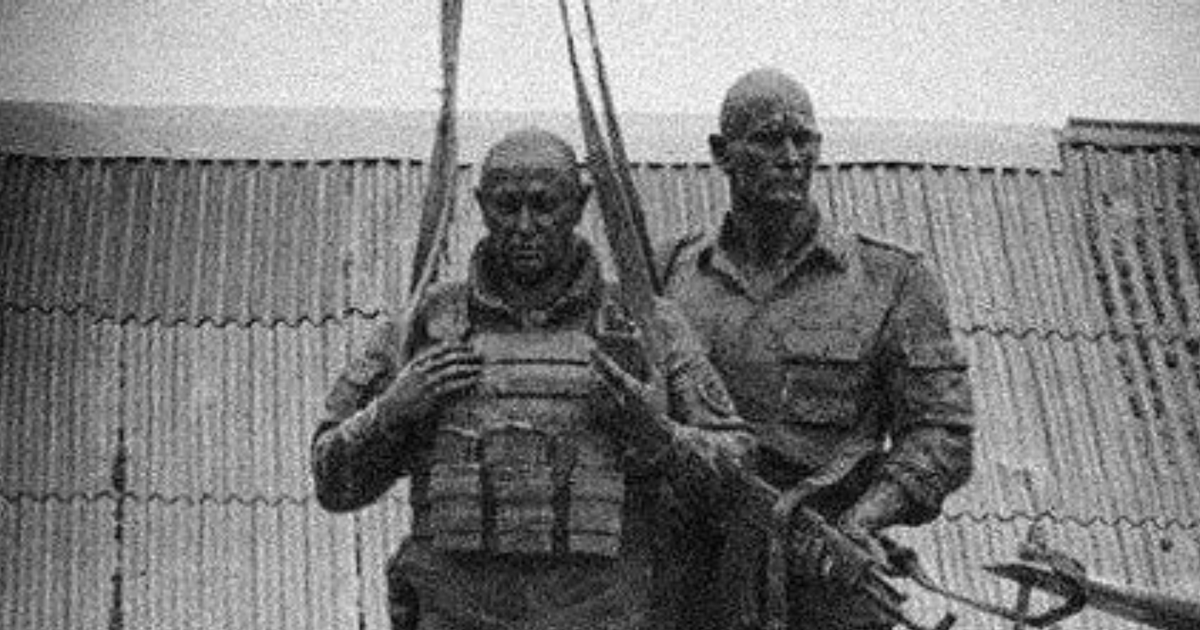
For months after Prigozhin鈥檚 death, a Wagner-linked Telegram channel posted user-submitted photos of people worldwide displaying Wagner badges and merchandise. Images poured in from Russia and dozens of countries, including , , and the . The underlying message appears to be one of resilience: Despite setbacks, the Wagner Group remains a potent global force. Whether this implicit threat materializes may hinge on whether international efforts to expose and prosecute Russian paramilitaries for their extensive record of brutality and exploitation gain traction.
Fellow, Future Security

Senior Fellow, Future Security