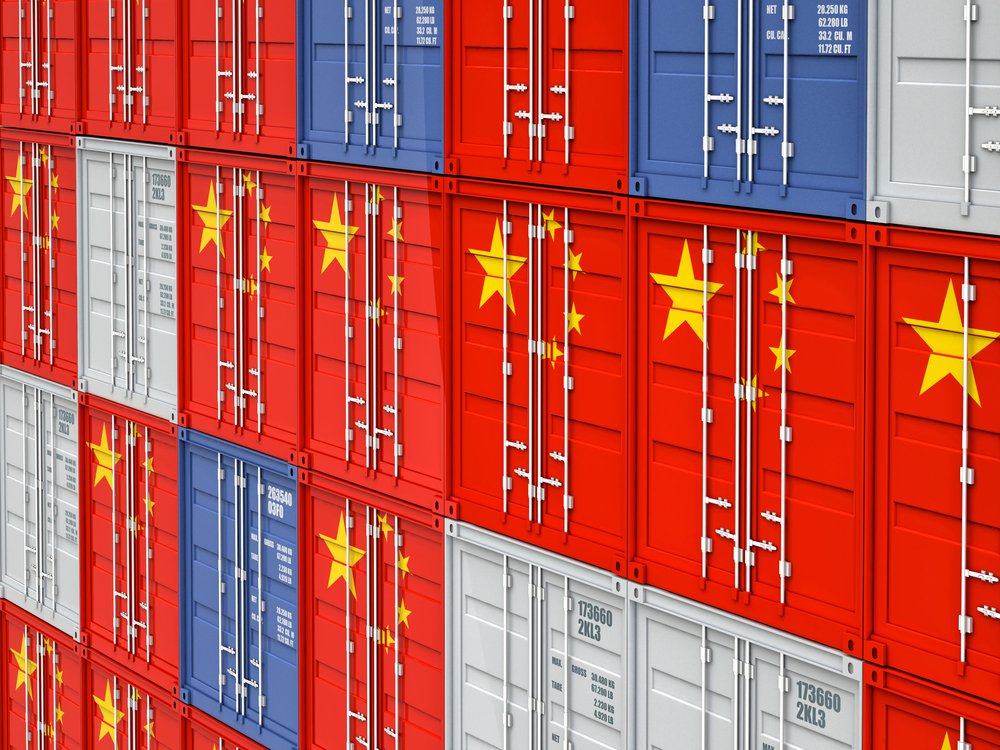
Last week one of Resource Security鈥檚 senior fellows held a聽聽about insecurities in the rare earth supply chain. The conference convened mineral experts from interdisciplinary fields including policymakers, geologists, industry representatives, and companies like Apple and Siemens. However, many of the experts lamented that few in the public know about critical materials, even though they should. So here鈥檚 my brief overview on what I think they think you should know about rare earth minerals:
- There are聽. They are known for their superiority in magnetism, luminescence, and strength allowing new technology such as cars, clean energy products, iPhones, and weapon systems to become smaller, faster, and stronger. So even if you have never heard of them, you most likely rely on them.
- 颁丑颈苍补听聽the market. Last year, China produced 105,000 tons of rare earth minerals. The second largest producer, Australia, only produced 10,000 tons, and the US produced even less than half of that (4,100 tons). This fate is likely to never change since earth鈥檚聽聽of rare earths is estimated to be 110 million tons, and China is estimated to have 55 million tons in reserves.
- It鈥檚 time and money intensive to start a new mine. It is estimated that it takes around 12 years to create a new mine for rare earths, but technology changes rapidly and often 12 years is enough time to shift the demand from one rare earth to another. This makes it a tough investing market for those who unfortunately lack a crystal ball. And the capital investments to start a mine are聽, especially in the US.
- Countries and experts are increasingly worried about the supply chain insecurities. Some proposed solutions are to stockpile rare earths (an insurance policy on minerals), recycling rare earths (currently not cost-effective), developing better data to reduce opaque pricing and information asymmetries, and encouraging R&D and a resurgence in US human capital on the subject.
- The entire life cycle (mining, refining, and disposal) of rare earths is atrocious for the environment. 聽聽Metal byproducts and toxic wastes are聽聽into air, ground, and water harming ecosystems and people living nearby. This is particularly聽聽in China where there are fewer environmental regulations, and where illegal mining is rampant and characteristically dirty.
For each of these reasons, a smart phone is not just a smart phone. It鈥檚 a periodic table of various rare earths that come with a lot of economic, environmental, and national security baggage.聽
More 国产视频 the Authors
Issues
Programs/Projects/Initiatives
Topics
Related
A New Military Energy Imperative
Hydro-Poverty: How Global Water Crises Impact the Poor
Energy Insecurity in Japan