
Leslie Villegas
Senior Policy Analyst, Education Policy

Most school systems in the United States struggle to meet the needs of students identified as English learners (ELs) because they were not designed with these students in mind. From research-based instructional practices to professional development for educators to effective school leadership, EL-specific needs and approaches are often penciled in at the margins of pedagogic practice. And when narrowly designed education systems fail to meet EL needs鈥攁s they inevitably do鈥攕ome states take drastic actions.
Historically, states across the country have implemented restrictive policies as a 鈥渟olution鈥� for the perceived underperformance of EL-identified students.[1] The late 1990s and early 2000s were fraught with policies that were misaligned with what helps linguistically diverse students succeed in school. California, Massachusetts, and Arizona, for example, enacted English-only laws under the misconception that immersing students was the only way to get them to learn English and succeed academically. These laws pushed out bilingual education programs even though EL advocates and researchers warned that doing so would have a detrimental effect on ELs鈥� academic outcomes.
In 2022, Alabama legislators concluded that ELs were unfairly bringing down school ratings and their academic assessment scores from the academic achievement indicator used to measure a school鈥檚 performance (on an A鈥揊 grading system) for their first five years of enrollment. But while it is true that ELs鈥� academic abilities cannot be gauged accurately with a test administered in English, there are more inclusive and additive ways to address this data issue than simply rendering ELs鈥� scores invisible.
Indeed, deficit-oriented and exclusionary policies run contrary to showing that ELs learn best when provided with language instruction that is integrated into academic content and connected to their home cultures and languages. In California, a by Laurie Olsen, a prominent EL researcher, found that nearly 60 percent of secondary EL students in surveyed school districts were labeled long-term English learners (LTEL)鈥攎eaning they had not attained English proficiency after six or seven years of enrollment in U.S. schools. Such a high LTEL rate is concerning considering has found that LTEL students often do not receive adequate language instruction services and lack access to the full curriculum, which can of dropping out of school.
In response to the deficit-oriented policy environment in California, Olsen created the SEAL () model in 2008 (for more on the model, see sidebar below). Today SEAL is a statewide nonprofit whose work has been implemented in 367 elementary and preschools across California. According to a by Enrique Romero and Heather Lewis-Charp about SEAL鈥檚 implementation, Olsen was inspired to create the model because she believed that California鈥檚 English-only policy was harming students. She said, 鈥淭he research was just increasingly clear that what was going on in California schools was flying in the face of what research suggested and what we knew were the right things to do.鈥�
As a nonprofit organization, is driving lasting change in how California schools support multilingual learners, applying research-based strategies in preschool through sixth grade. Its flagship offering, the SEAL Full Model, integrates strategies to help children develop language skills within the content areas of science and social studies. The model supports English language and literacy development and integrates students鈥� home languages to maximize the benefits of bilingualism and multilingualism. Teachers participate in a two-year professional learning program that shows them how to engage students in a rigorous, standards-based curriculum and turn their classrooms into joyful, language-rich learning spaces.
An of SEAL over the last 10 years found that not only have teaching practices and student engagement improved at schools that have implemented the model, but so has language and academic development among ELs in elementary school. Many students who entered kindergarten as ELs had reached English proficiency and also performed as well or better than their never-EL peers on statewide assessments of English and math by the time they were in fourth grade.
Considering the federal , states and school districts have increased responsibility for ensuring EL-identified students have access to rigorous and research-based instruction. And the experiences of school districts that have implemented SEAL鈥檚 model can offer education leaders and advocates in other states insight into how service delivery can be systematically improved for linguistically diverse students and families.
This brief draws on case studies of SEAL鈥檚 implementation in three California school districts鈥� in El Monte, in San Jose, and 鈥�to highlight strategies that facilitated the systemic change needed to advance an asset-oriented approach to educating EL-identified students.
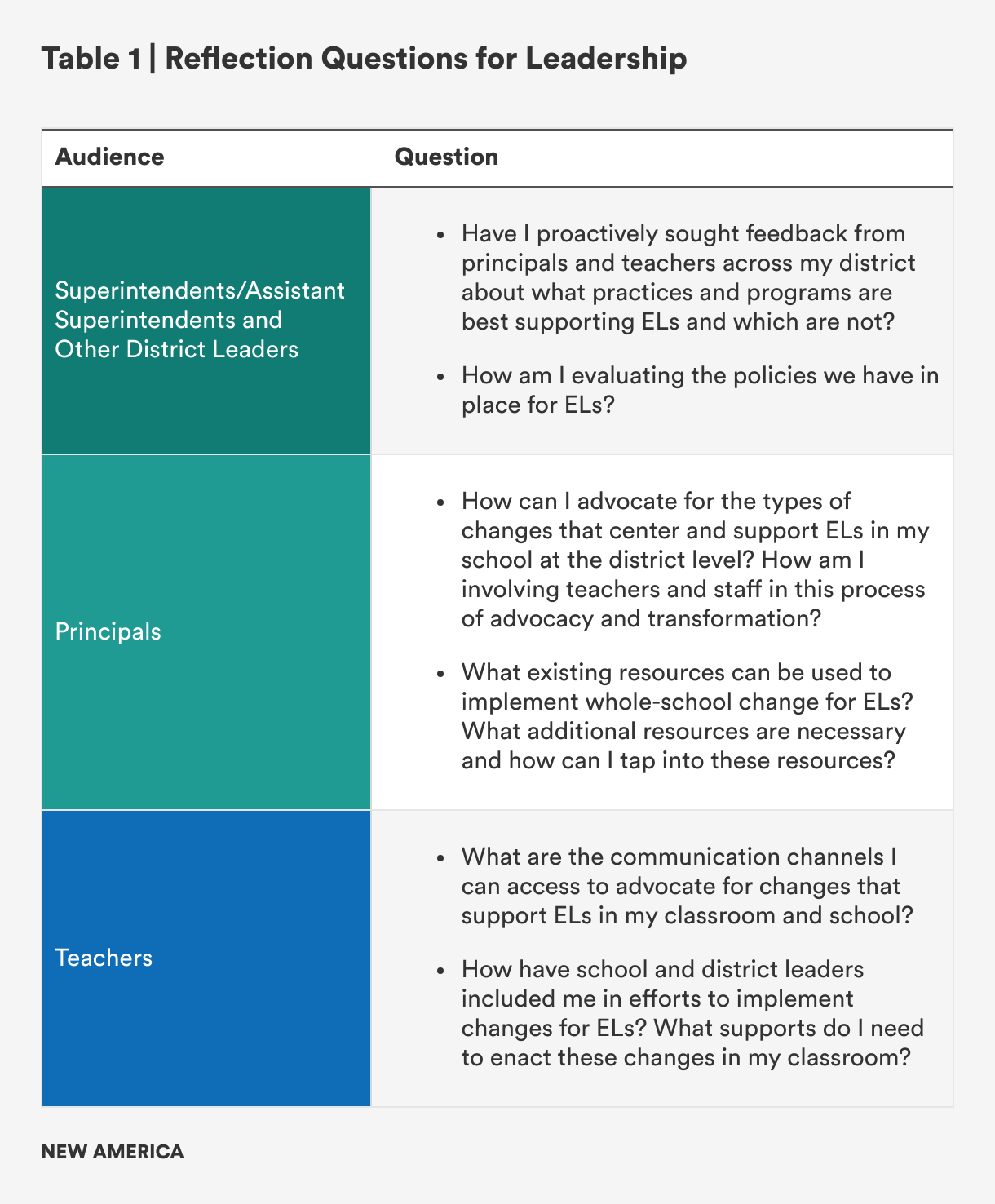
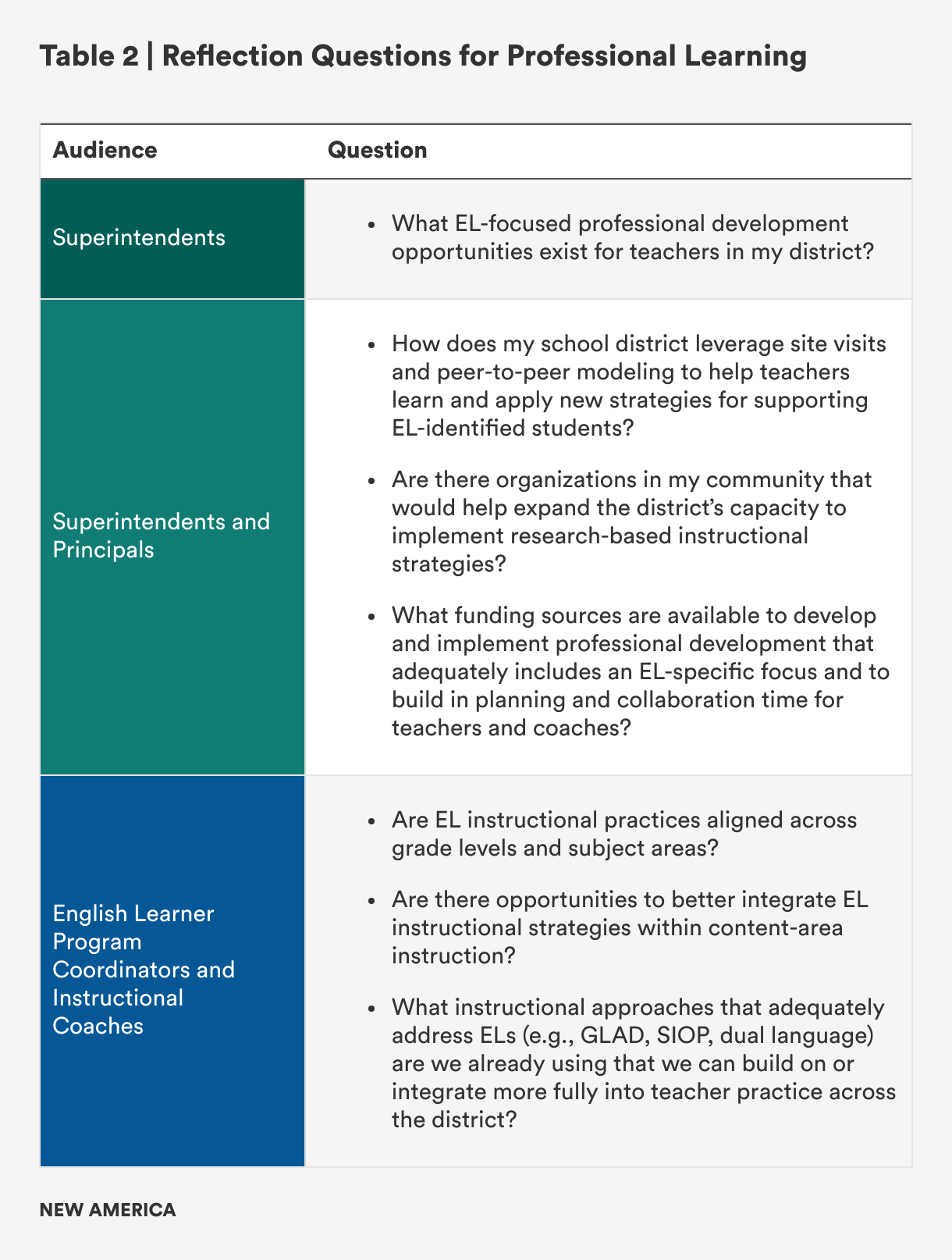
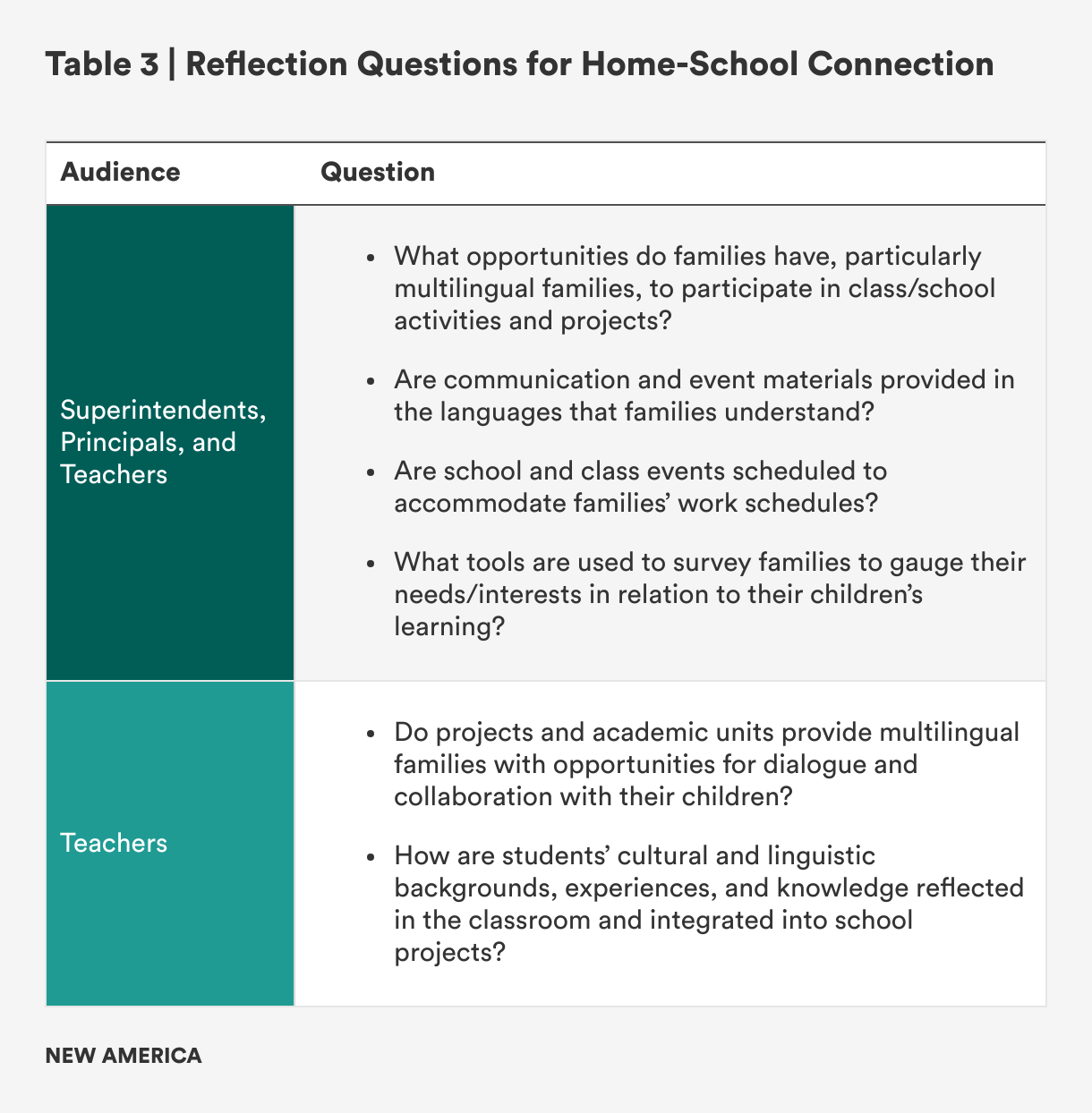
Based on the collective lessons from the districts, we argue that enacting the transformational change needed to effectively support ELs requires: (1) strong district and school leadership, (2) consistent professional learning to prepare educators to implement rigorous and research-based instructional strategies across the curriculum, and (3) genuine home-school collaboration that enriches students鈥� educational experiences. The brief includes questions at the end of each section to help educators consider how to transform their approach to educating linguistically diverse students.
SEAL鈥檚 case studies showed that district leadership鈥攑articularly the superintendent and assistant superintendent鈥攊s irreplaceable in championing the strategies that will improve EL education services and outcomes. Across sites, district leaders demonstrated their commitment to SEAL鈥檚 model by adopting policies and allocating resources necessary to facilitate implementation.
District leadership also played an important role in setting the tone for district personnel and placing a priority on making changes in line with the new vision. Superintendents and assistant superintendents communicated proactively and clearly about the time commitment that implementing the new model would entail and provided reassurance about the permanence of the changes being pursued. This proactive communication helped school administrators and teachers get on board with the plan, laying the groundwork for success.
District leaders also propelled change by identifying school leaders and teachers who would take the lead at each site and making sure that those administrators and teachers agreed with the model. Superintendents and assistant superintendents gave school staff a sense of agency by including them from the beginning and giving them opportunities to lead throughout implementation.
At the school level, principals played a crucial role in centering SEAL鈥檚 model. In Mountain View School District, teachers said their principals showed their support by investing in SEAL financially and making sure teachers had the materials, books, and resources needed to implement the new model. This leadership was valued by teachers and contributed to a sense of trust and responsiveness between administrators and educators. District-level support, such as funding for materials, allowed school leaders to implement the new model exactly as it was designed.
Several of the case studies show that district-wide initiatives with a unified and/or centralized approach can facilitate teacher collaboration and training and can allow for the inclusion of district early education centers. This approach fosters alignment from pre-K through sixth grade, because units of study can be created and shared across the district and across grade levels around key topics.
District and school efforts reinforce each other to foster deeper engagement in implementing systemic change. District and school leader participation avoids a top-down approach to the new model, increases teachers鈥� receptiveness, and helps solidify their commitment to change.
Enacting the institutional change necessary to improve EL education was possible across SEAL sites because teachers participated in a two-year professional learning cycle that integrated instructional coaching into classroom teaching and provided space for practice and reflection. The learning cycle featured six modules that covered research on best practices for ELs, instructional strategies, how to create standards-aligned thematic units, and practices that promote strong family engagement. The coaches were school/district staff who had received additional training to enable them to help teachers with instruction, curricula, and implementation challenges. Coaches led professional development, modeled lessons, and ran sessions to review curricula and plan instruction. Principals were encouraged to attend the professional development sessions so they could familiarize themselves with the model.
As described in SEAL鈥檚 case study of Oak Grove School District, the sessions helped teachers feel comfortable implementing a high level of rigor and maintaining high expectations for their students. Teachers were able to incorporate strategies and academic vocabulary across lessons and their efforts were bolstered by the instructional alignment across grade levels. For example, as one teacher said, younger students might rotate through centers that provide them with opportunities to role-play and use language, while older students might engage in activities like 鈥渓earning how to read and decipher statistics, maps, art, and synthesizing that information and saying things like, 鈥極h, remember when we looked at that map over there? I wonder if that鈥檚 connected to the piece of reading I鈥檓 doing right now.鈥欌��
The case studies show that school systems can develop models of peer-to-peer learning and collaboration within individual schools but also between buildings in the district. This practice allows teachers to develop and practice new skills, leverage their strengths, and strengthen instructional alignment across classrooms. SEAL has always had demonstration sites in multiple districts that host teachers, administrators, and others throughout the year to showcase the model in action. These visits help educators see what is possible and address concerns they might have about taking on a new initiative. The case studies describe how teachers and coaches were captivated by the high level of student engagement and felt reinvigorated for their own work. 鈥淏eing able to create again and get to know your standards well, and to be the artist as well as a scientist, is just a gift,鈥� said a teacher in Oak Grove. The modeling of effective practice has been found to be a critical component of high-quality professional development. According to , observing instruction allows teachers to see how to integrate best practices into their pedagogy.
English learners benefit from rigorous instruction that allows them to practice, develop, and apply academic language across content areas. Yet these students are often provided with skill and drill tasks due to teachers鈥� perceptions that ELs cannot handle rigorous coursework, as detailed in an EdCentral blog post. This rigor gap can impact ELs鈥� long-term academic outcomes and make it harder for them to meet grade-level standards. The full SEAL model places emphasis on sustaining and infusing academic rigor in the classroom.
For example, one of the ways SEAL鈥檚 model infuses academic rigor into each thematic unit is through vocabulary development and by drawing on the 鈥渕ultiple intelligences鈥� of students, as one teacher in Redwood City shared. Students can demonstrate their learning in multiple ways, such as writing in journals, retelling and creating stories, speaking with peers, creating visual displays of their learning with others, singing songs, and drawing. Teachers keep track of which strategies are most effective and adapt their practices as needed. These practices help create language-rich classrooms where EL-identified students are encouraged to talk and share their questions and ideas with their peers and teachers. As described in a highlighting strategies to help ELs engage in classroom discussions, providing time for students to talk is critical to helping them develop language and acquire content knowledge.
鈥淭hey are acquiring language that鈥檚 at a higher level,鈥� said one teacher at Mountain View. 鈥淛ust because they鈥檙e English language learners, we can鈥檛 sit there and say they can鈥檛. We need to provide everyone the opportunity. And they can do it with modeling, with support, with collaboration.鈥�
The three case studies show how important it is to integrate research-based instructional practices into the curriculum across subjects, grades, and classrooms. This integration allows EL-identified students to experience instructional continuity and cohesiveness as they move through the grade levels. The case studies also show that teachers benefit by being able to access and use materials developed by their peers and having flexibility to use different classroom strategies based on students鈥� strengths and needs. Teachers in the three districts also spent a substantial amount of time planning lessons, creating materials, and collaborating with their colleagues. In Redwood City School District, for example, leaders used a mix of federal, state, and local funds to hire coaches, enable teacher collaboration, and direct principals to set aside funding to pay for teachers鈥� planning time after school, release time during the school day, and training activities.
Providing this level of professional development, collaboration, and alignment requires adaptability and creativity. School leaders must build in planning time and secure substitutes when teachers are attending professional development. Additional funds can be allocated to hire substitute teachers. Training can be offered over a half-day or on a Saturday to make it easier for teachers to participate. Administrators should work with district leadership to ensure that they can devote discretionary resources to support new approaches to EL education.
All three case studies highlighted the importance of a strong home-school connection. During the design and implementation phase, school districts hosted information sessions to help familiarize families with the research and instructional practices of the model and how it helped students. Parents helped spread the word to other families about the positive changes that were happening in the school.
Once the model was implemented, schools gave families opportunities to be directly involved in their children鈥檚 learning process. Teachers pursued projects and units that helped facilitate strong ties between school and home and required active participation from families. For example, teachers would send home materials at the beginning of a new unit with a list of vocabulary words in both English and the student鈥檚 home language. In Redwood City, kids in child development centers were invited to bring items from home to share with their classmates. Home projects called upon parents to help their child build a 3D model related to a class unit, for example, and present the project to the class with their child.
Activities and strategies to strengthen the home-school connection also served as ways to incorporate students鈥� cultural backgrounds into the curriculum. Teachers, for example, added variety in their chants and songs to follow the rhythms of the songs that students may have heard in their home languages and within their communities. Teachers created units on ancestry and family origins, which created space for students to learn about their upbringing and culture from their families. Family members were also 鈥渞egularly invited to participate in and showcase their expertise in their children鈥檚 classrooms, often demonstrating cultural practices and art forms,鈥� according to the Redwood City case study. These practices supported home language development, increased the relevance of what students were learning, and signaled to parents and families that their knowledge and experiences were valued.
Teachers also created opportunities to welcome parents and families into classrooms and other school settings. At the end of each unit, for example, teachers would host small-scale open houses鈥攚hich SEAL calls Gallery Walks鈥攖o welcome parents into the classroom to celebrate their children鈥檚 progress. These events gave students the opportunity to explain their individual and class projects to their families, showing off the new language and knowledge they had acquired. According to teachers, Gallery Walks offered multilingual parents the opportunity to cheer their children on, even if they didn鈥檛 have a lot of background in English themselves.
At Oak Grove, teachers and staff took Gallery Walks, offered in the morning and in the afternoon/evening to accommodate family work schedules, a step further, by hosting 30-minute workshops with families to share tips such as how to do a 鈥渞ead-aloud鈥� session or how to make sure kids turn in their homework. Parents were given the opportunity to ask about topics they wanted to learn more about. These workshops helped create consistent communication channels between teachers and parents and showed that school staff were receptive to community needs.
Prioritizing and accommodating family time does not have to be a heavy lift. In Redwood City, for example, child development centers hosted 鈥渇amily days鈥� once a week, where parents were invited to come to class and share a personal story or read a book. As laid out, welcoming families into school spaces often and regularly offering opportunities to engage through big and small activities can turn these families into real partners in their children鈥檚 education. Family engagement is not just about schools communicating with families, but about how schools are tapping into parents鈥� assets and fostering dialogue and collaboration. Once this collaboration is established, students鈥� cultural backgrounds, knowledge, experiences, and languages become naturally entrenched and reflected in their school lives as well.
The effort to transform how to think about and educate ELs was not just an abstract exercise for school and district leaders featured in the three SEAL case studies. Nor was the implementation of SEAL鈥檚 full model just a one-off exercise in one or two classrooms. The transformational changes involved whole schools, and their implementation in each district resulted in tangible, positive outcomes for their EL students, in both academic and non-academic ways.
EL students in the case study schools saw higher levels of fluency in English and Spanish, significant vocabulary growth, and improvements in their reading comprehension and reclassification rates. There was also evidence that students learned academic content on a deeper level, thanks to the emphasis placed on integrating language development with rigorous content instruction. School and district leaders said that student engagement increased and students felt a sense of connection with and excitement about learning. Students鈥� confidence and self-esteem grew as they were able to sustain conversations and write about classroom topics using the language they had acquired.
Indeed, are a central component in why SEAL has been able to expand to school districts across California. Its approach demonstrates that with dedicated leadership, in-depth and long-term professional development, and meaningful family engagement practices, school districts can strengthen and improve ELs鈥� educational experiences and close opportunity gaps.
School and district leaders interested in improving their approach to EL education can begin the process by examining current gaps in the system through conversations with teachers, principals, families, and other community partners. Together, they can identify bright spots, areas of opportunity, and needed resources, and then develop a plan to begin the transformation process.
The strategies and practices used in SEAL classrooms are drawn from research on what helps ELs learn best. They are packaged together to facilitate teacher training and classroom implementation. In other words, these practices are accessible and available through the research literature and incorporated into existing models of professional learning (such as and ), which means school systems do not have to start from scratch. The big work is the process of committing to improving and transforming EL education, investing necessary resources, and changing the culture of districts to center the needs of these students. The payoff will be improved outcomes for linguistically diverse students.
[1] Standardized assessments and data systems have significant blind spots when it comes to measuring the academic standings of EL students. For more information, see our 2022 blog post, 鈥�Long-Standing Limitations of English Learner Academic Assessment Data Persist.鈥�
We are grateful to Patty Chavez, Anya Hurwitz, and Martha Martinez at SEAL for their partnership and collaboration. Thank you to Lisa Guernsey, Sabrina Detlef, Katherine Portnoy, and Natalya Brill for editorial and layout support. This work was generously supported by Sobrato Philanthropies. The views expressed in this brief are those of the authors and do not necessarily reflect the views of the foundation.
Senior Policy Analyst, Education Policy
Director, PreK-12 Research and Practice