
Thrift Store Industry Thrives with Its Do-Good Veneer
This article comes to us from , a journalistic nonprofit working to build an informed and powerful citizenry. Follow them on for more stories like this.
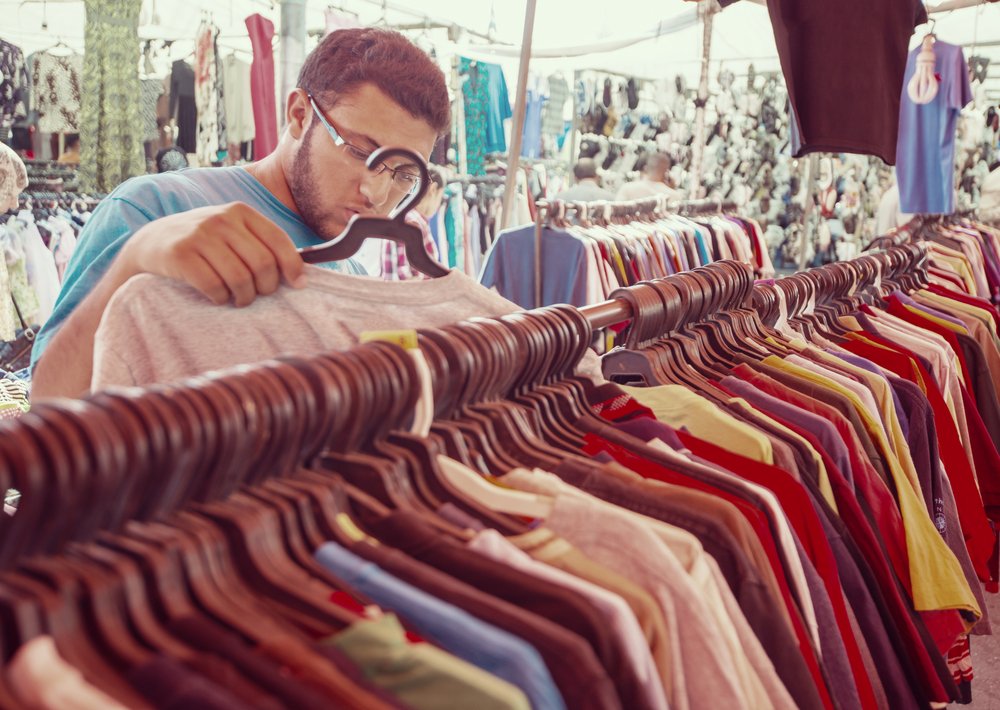
Something interesting happened to American shopping habits as the country climbed out of the Great Recession: Shopping secondhand stores became not only acceptable but even hip. As more Americans looked online to sites like Etsy for vintage accessories and home decor, increasing numbers also flocked to neighborhood thrift stores for clothes and housewares.
Now a burgeoning industry of for-profit thrifts with a 鈥渄o-good鈥� veneer is turning a profit while cutting into the business and charitable work of traditional nonprofit resale stores, according to charity watchdogs and nonprofit thrift operators. While heavily marketing what they call partnerships with local charities, for-profit thrift stories frequently share just a minuscule portion of a shopper鈥檚 dollar, InvestigateWest found.
鈥淭here are so many bad actors out there that, unless it鈥檚 a trusted name, you鈥檙e likely supporting a for-profit with dubious connections to charity,鈥� said Tim O鈥橬eal, chief executive officer of Central Arizona Goodwill.
In fact, the national trade association for thrift stores, , does not allow for-profit stores linked to charities to become members because they bring the industry 鈥渘egative publicity,鈥� said Adele R. Meyer, executive director of the group. 鈥淭hey pay a very, very small percentage to the charities while giving people a very different impression,鈥� Meyer said. 鈥淚t鈥檚 not clear to the public who鈥檚 benefiting.鈥�
鈥淎 lot of people erroneously believe they鈥檙e giving wisely,鈥� said David Tobiczyk, marketing and development vice president for Goodwill Southwestern Pennsylvania. He pulled together that seeks to tell the public about what it calls 鈥渞esponsible giving practices鈥� for donors.
Both for-profit and nonprofit thrifts are riding an extraordinary change in Americans鈥� shopping habits. From the beginning of the Great Recession in late 2007 until midway through this year, sales at thrift shops and consignment shops increased by 50 percent. Meanwhile, discount department store revenues fell by half and traditional department stores lost one-quarter of their sales, according to the U.S. Census Bureau.
Today that translates into 16 to 18 percent of shoppers visiting thrift stores annually, the Association of Resale Professionals has , citing data from the private research firm America鈥檚 Research Group. Just a few months ago, the resale trade group crowed in a : 鈥淩esale is definitely thriving during a time when other segments of retail are reporting significant decreases every month.鈥�
, which also operates stores under the Value Village brand and other names, is by far the biggest player in the booming for-profit thrift store market and in fact invented the business model of for-profit thrift stores that rely on relationships with nonprofits. But dozens of regional chains with names like Atlas Thrift and Red, White, and Blue Thrift also advertise their charitable connections. Some were snapped up by national investment companies after the recession, as when Alabama-based America鈥檚 Thrift Stores, which supports Christian ministries, was bought by the San Francisco-based private equity firm Alpine Investors in 2012.
As privately held, for-profit businesses, companies like Savers and America鈥檚 Thrift Stores generally are not required to divulge to donors, consumers or regulators how much sales revenue goes to charity. This secrecy, critics say, can lead to improprieties and even outright fraud.
One state does require greater disclosure for companies registered as fundraisers: California. There, just 13 percent of revenue from for-profit thrift stores went to charities in 2011, according to a 2013 report by the California Attorney General鈥檚 Office, the most recent available.
The booming market has also led to a proliferation of donation bins, some owned by for-profit companies but stamped with the name or logo of a charity, and others by nonprofits with no clear for-profit connection. Some of the for-profit thrifts are more forthcoming than others. For example, the website and the green-and-white collection bins of prominently state that it 鈥渋s a for-profit company.鈥�
This kind of transparency should be required, say charity watchers, who advise thrift-store shoppers and donors to investigate whether they are giving to a for-profit store.
O鈥橬eal understands why some charities think it鈥檚 a good idea to partner with for-profit stores. 鈥淔or some it is,鈥� O鈥橬eal said. 鈥淏ut many don鈥檛 really understand how much the for-profit is making, nor how much they could make on their own.鈥�
Critics suggest that charities themselves are at least partially at fault for misleading the for-profit thrifts鈥� donors and buyers. One vociferous critic is Steven Beck of the Boston-area Big Brother Big Sister Foundation. That charity pulled out of deal to supply Value Village by shrinking its contract and set up its own shop, and is at work on a second retail store. The charity now reaps much higher profits from the stream of castoffs that comes its way. “We make three to four times the money that we made under the old model, which translates into three to four times the kids that can get a big brother or big sister, which changes their lives forever,鈥� said Beck.
Beck points to the recent settlement of a lawsuit filed by the Minnesota Attorney General鈥檚 Office against Value Village鈥檚 corporate parent, Savers Inc. Savers agreed to much more disclosure about the arrangements between the for-profit chain and its nonprofit beneficiary partners.
That settlement is a way of seeing this whole enterprise clearly, Beck observed: “People donate goods under the perception that their donations will help charities and their communities, when in fact those donations bring back but a small percentage of the overall profits to the charities involved.鈥�
He noted: 鈥淭he for-profit firms do not exist without the charities.鈥�
鈥淎fter all, would you donate to a private, for-profit thrift store so they can just make more profit?鈥�
This article was originally reported and published by , a nonprofit investigative newsroom in the Pacific Northwest. Follow on or .
More 国产视频 the Authors
Related

“Getting the Golden Ticket”: Participants’ Perspectives on Lexington’s First Assembly

Civic Assemblies: A Framework for Community Colleges

Don鈥檛 START Now
