Zahava Stadler
Director, Education Funding Equity Initiative
On March 28, at , state education departments got some bad news. With no warning, the United States Department of Education was reversing an to give school districts until March 2026 to use their federal COVID relief dollars. Instead, the Department had decided that time was up immediately鈥攕ooner, in fact. The Secretary of Education鈥檚 informed them that the new deadline was 5:00pm that day, three minutes before her message arrived. Any unused money would have to be forfeited back to the federal government. There have been efforts to challenge the decision in court, but after some delays, the new policy will apply to all states by , on May 24.
Education officials were told they could apply for extensions for individual projects (a laborious process that for many districts). But the Secretary explained that, generally speaking, the Department now deems it too late for school systems to be spending money on responding to the COVID-19 pandemic. This was the only reason offered for the sudden change in policy. But that rationale fails on two fronts. First, what the Department is halting with this change isn鈥檛 actually new spending鈥攊t鈥檚 school districts paying their bills. And second, it鈥檚 certainly not too late to be using money for COVID recovery in schools.
In 2024, when the Department of Education school districts extra time to use the relief funds, the extension was limited. The original law had two deadlines: an 鈥溾�� deadline, when the money must be dedicated to a particular use, and a 鈥渓iquidation鈥� deadline, when the money must actually be paid out. The Department couldn鈥檛 change the obligation deadline. No matter what, the last COVID relief dollar had to be committed by September 30, 2024, the date specified in law. After that, no new spending decisions were possible. Only the liquidation deadline could be stretched, giving school districts more time to implement certain programs and initiatives for which they鈥檇 already made binding commitments鈥攖hings like contracts for tutoring, teacher training, and school construction.
The money may not have all gone out the door, but it鈥檚 a misnomer to call it 鈥渦nspent.鈥� The price of my home isn鈥檛 鈥渦nspent鈥� if I鈥檓 still paying off my mortgage鈥攖hat money is spoken for, and if I suddenly stop paying, I could lose my house. Under the guise of reining in spending, the federal Department of Education is actually keeping states and districts from paying their bills
Secretary McMahon鈥檚 letter claims that it鈥檚 too late to be spending on pandemic recovery. This isn鈥檛 the case. that a large portion of the money had to be used to address pandemic-related learning loss. No one thinks that job is done. The pandemic鈥檚 massive disruption of schooling was a major focus of the discussion of this year鈥檚 results from the National Assessment of Educational Progress, which showed students behind pre-pandemic scores. Rates of chronic absenteeism than they were before COVID. There is still much ground to recover.
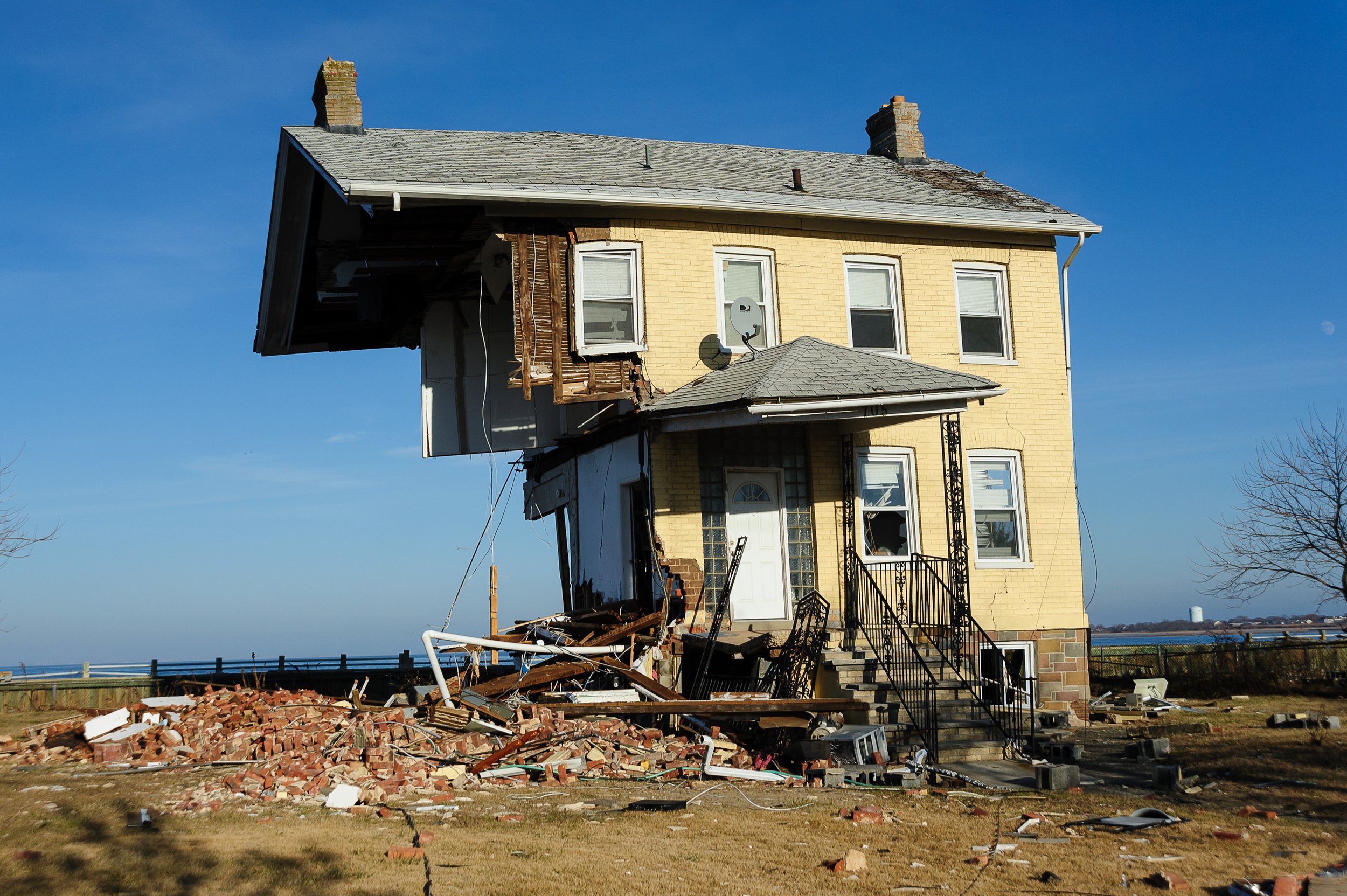
Research the academic impact of the pandemic to be on par with that on students who鈥檝e experienced a major natural disaster, like a hurricane. For one disaster relief comparison: After hit the Atlantic coast in October 2012, flooding swaths of coastal states, killing over 100 people, and causing tens of billions in damages, Congress passed the Disaster Relief Appropriations Act of 2013 to help communities rebuild and recover. Six years after the hurricane, Maryland was still for one of its disaster relief grants. New York City was finding new uses for in 2020, almost eight years after Sandy. And in a federal issued July 1, 2024, both of those grants were considered to be 鈥渙n pace鈥� for spending, even though they had 3.9 percent and 7.2 percent left, respectively. By contrast, only of K-12 COVID relief funds remain less than two years after the end of the .
Disaster recovery is not a short-term endeavor. It鈥檚 surely not too late to be spending money on helping students regain what they lost in the pandemic.
Pulling back funding that is already committed to important pandemic recovery efforts is clearly bad policy. But is it allowed at all?
Many of the Trump administration鈥檚 recent spending cuts are illegal. Congress, not the president, decides how much the federal government will spend, and for what purposes. While federal law delay or cancel some spending, that鈥檚 limited to certain funds and requires a particular procedure. The Trump administration has gone well beyond what鈥檚 allowed. It was forced to freezing federal grants after it was blocked by two , and other are getting a poor reception in the courts.
This particular clawback of federal funds is a bit different, since the spending deadline in the original COVID relief legislation has already passed. The federal Department of Education had used its authority to extend that timeline; now it鈥檚 taking that extra time back, with no notice and little justification. Whether that鈥檚 allowed is currently being litigated, but states have in a lawsuit that cutting off the money so soon violates Congress鈥檚 intent to 鈥渉elp students make up for lost instruction time in the aftermath of the pandemic鈥� (emphasis added) and that the sudden and harmful reversal transgresses a federal law called the Administrative Procedure Act.
Time will tell whether the courts agree. In the meantime, the Trump administration鈥檚 decision to yank back these funds on such a thin pretext has left school districts scrambling. They deserve a Department of Education that prioritizes students鈥� learning and wellbeing over this indiscriminate, slash-and-burn agenda.
Director, Education Funding Equity Initiative