Helen Bonnyman
Policy Associate, Future of Land and Housing
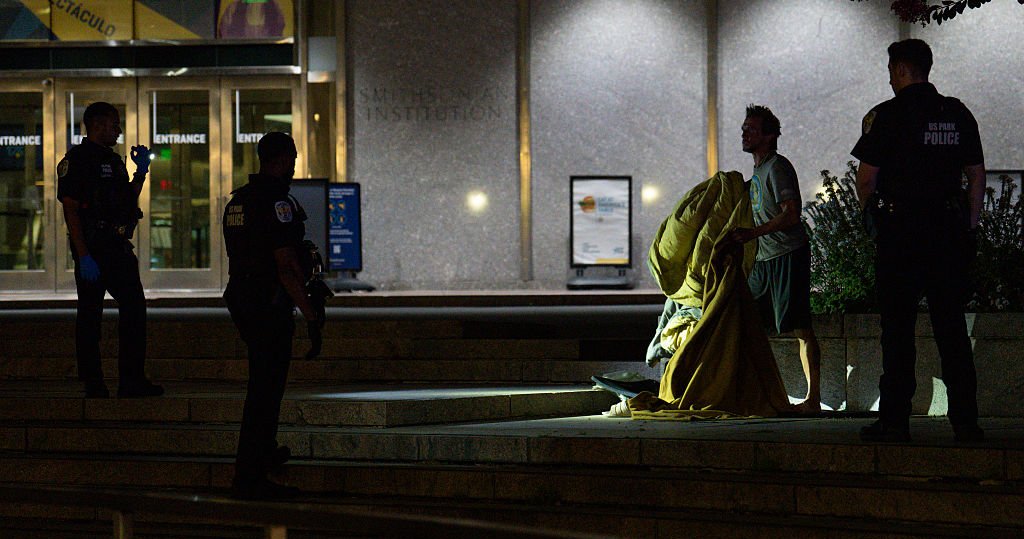
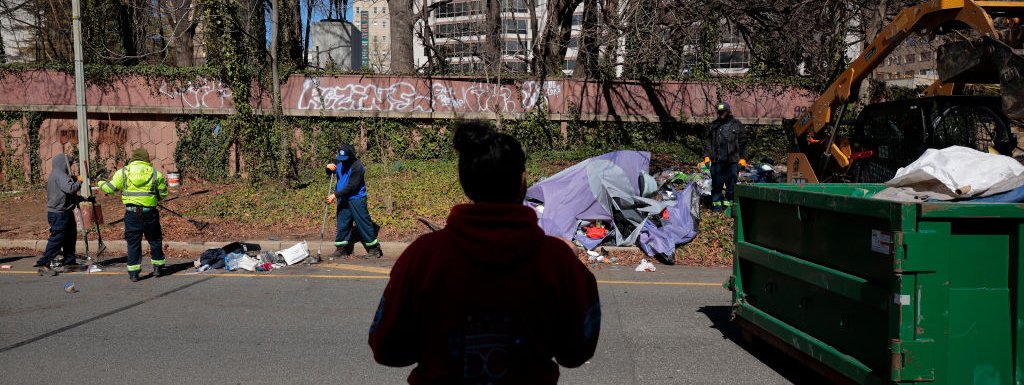
In recent weeks, federal law enforcement officers and the local police forced to collaborate with them have , , and Washingtonians experiencing homelessness. Although no arrests have been reported to date, President Trump and his allies, including 鈥攚ho ordered 鈥攁re advancing a violent, , and flawed approach to the urgent reality that in the DC metro area are experiencing homelessness.
At every turn, our leaders are focusing on the wrong part of the issue and ignoring the facts. Trump has framed his administration鈥檚 terrorization of unhoused Washingtonians as offering them a 鈥渃hoice鈥� between arrest and shelter. But in reality, nearly 93 percent of homeless survey respondents said they would move inside if safe, affordable housing were available, according to a assessment. Sure, DC has made additional shelter beds available with the city鈥檚 own limited funds鈥攂ut many due to the lack of autonomy and privacy. And in any case, short-term shelter is rarely a pathway out of homelessness. .
Short-term shelter is rarely a pathway out of homelessness. Actual housing is.
An in Denver, Colorado, illustrates this clearly: Only 18 percent of people who received 鈥渟ervices as usual鈥� (including temporary shelter) were housed for any amount of time during a three-year period. By contrast, 80 percent of people who entered permanent supportive housing, or PSH, the gold standard of that pairs housing with wraparound resources such as counseling and healthcare, were housed鈥攁nd 77 percent remained stably housed at the end of the three years. PSH participants also had significantly fewer shelter stays (down 40 percent compared to those who only received the usual services), police interactions (down 34 percent), arrests (down 40 percent), days in jail (down 27 percent), and use of detoxification services (down 65 percent). These extraordinary improvements in program participants鈥� quality of life also produced significant cost savings for Denver鈥檚 local government, helping to offset the program鈥檚 expense.
In my former home of Houston, Texas, the regional Coalition for the Homeless of Houston/Harris County committed to scaling permanent supportive housing as part of a broader overhaul of the homelessness response system. Since implementing those reforms in 2011, Houston has reduced homelessness by approximately 60 percent. While the approach is not perfect鈥攖housands of Bayou City residents remain unhoused鈥攖he coalition鈥檚 sustained focus on and is lauded as a national model.
At every turn, our leaders are focusing on the wrong part of the issue and ignoring the facts.
Alarmingly, in July, President Trump signed an Executive Order ending federal prioritization of 鈥渉ousing first鈥� supports like permanent supportive housing, a policy approach that began in the . Meanwhile, DC鈥檚 mayor and council also seem to be missing the urgency of investing in this type of support. Their respective versions of the Fiscal Year 2026 budget鈥攚hich has yet to be finalized鈥攍argely favor temporary fixes over long-term housing solutions. The DC Fiscal Policy Institute, a leader in progressive and racially just policy recommendations, released a to address homelessness, including funding for rental assistance, PSH, shelters, and street outreach services. Yet both the mayor鈥檚 proposal and the council鈥檚 approved budget fall short: They include no new permanent supportive housing vouchers for chronically homeless individuals and only 8.6 percent of the recommended emergency rental assistance. Fortunately, both branches did meet the suggested asks for shelter funding.
But look at the bigger picture: While shelter access is a critical lifeline for many unhoused individuals and families, increasing spending on shelters alone cannot end homelessness. And neither will criminalizing people for the fact of living on the streets.
Policy Associate, Future of Land and Housing