Nicholas Mainieri
Fellow, Us@250
James Madison raised an imaginary pint to his fellow Founding Fathers on stage, toasting a successfully completed U.S. Constitution. But then he paused with sudden alarm, palm to forehead: 鈥淚 just remembered! The Bill of Rights is due tomorrow!鈥�
鈥淏ah,鈥� Thomas Jefferson interjected. 鈥淲e can just write something down.鈥� He gestured to the audience, breaking the fourth wall: 鈥淪urely, they鈥檒l change it in a few years.鈥�
We all laughed as the founders carried on, fudging their way through the first ten amendments like college students working on a term paper at the last minute.
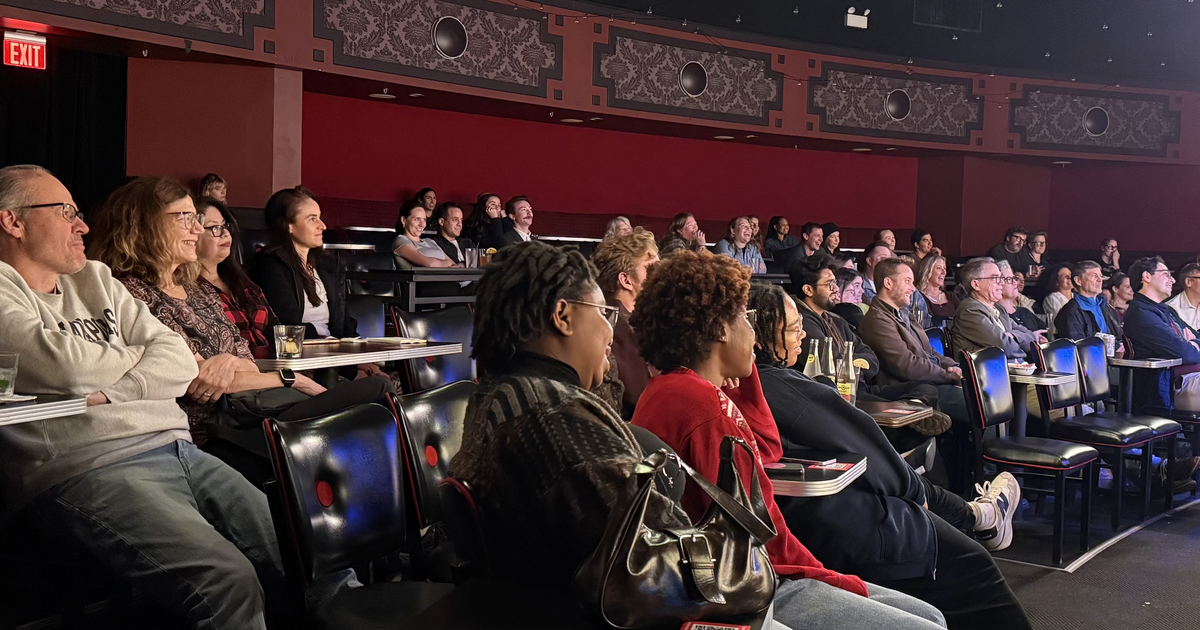
These Founding Fathers were cast members from legendary comedy troupe The Second City, and on a recent autumn evening in Chicago鈥檚 Old Town, they aimed for the absurdities of the Great Experiment. The performance, entitled America鈥檚 Big Beautiful Birthday, included a mix of best-of sketches and improv skits, reminding us that 鈥渙ne of the pillars of American society is the freedom to laugh at ourselves,鈥� as audience member Rengin Altay told me. Altay, an actor herself and longtime Chicago resident with a quick sardonic wit, added, 鈥淥r at least to grin and bear it.鈥�
Earlier that day, I鈥檇 scanned the news while taking the South Shore Line commuter rail over from my home in Indiana. In Chicago, the afternoon before, masked federal agents in an unmarked vehicle teargassed a neighborhood block on the city鈥檚 East Side following a on a residential street. This was just the latest terrifying episode among dozens that had taken place in the city since immigration police operations had surged in September. I read about how, just the night before, hundreds in Chicago鈥檚 Northwest Side had volunteered to participate in 鈥�,鈥� where emergency whistles and instruction manuals were packaged for distribution to community members, items that could be used to warn others of dubious federal activities.
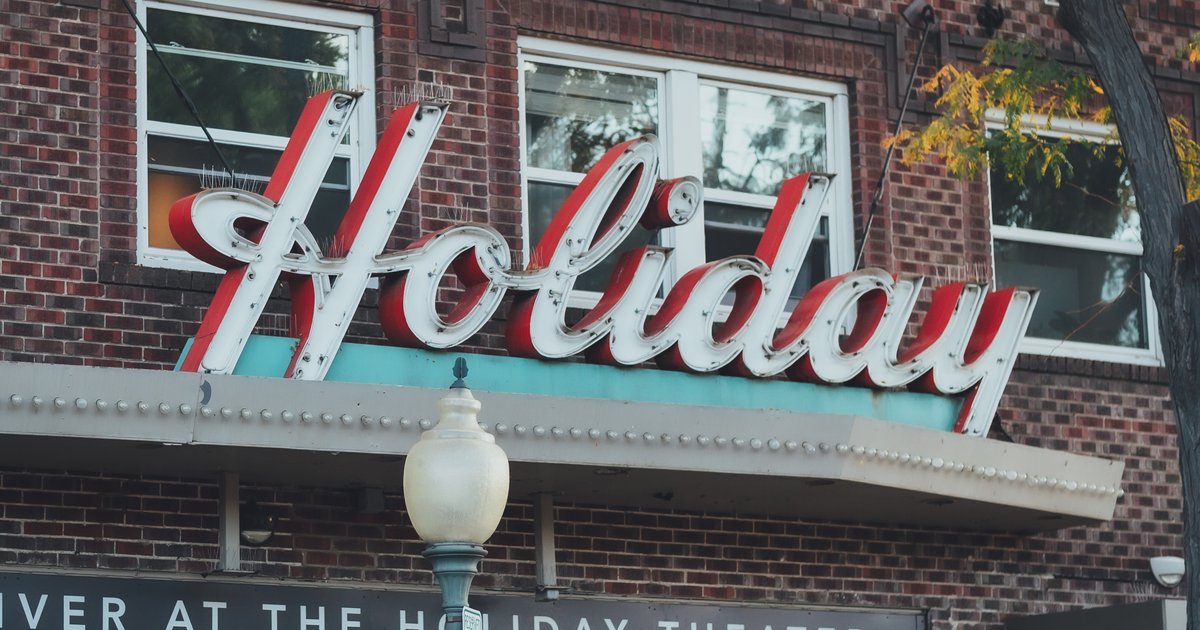
Outside of Millennium Station, Lake Michigan was a frothy seafoam green beneath the gray sky, and the day was damp and drizzling. After dark, the marquee lights at the UP Comedy Club felt welcoming. Inside, I sat beside Rengin and her husband, the author Miles Harvey. 鈥淚 could use a laugh tonight,鈥� Miles said before the show.
And we did laugh, at ourselves and at our country鈥檚 ability to argue about everything鈥攕uch as estate sale shopping, a topic suggested by an audience member in one of the night鈥檚 best sketches. The weekend hobby became a political football across a set of improvised scenes that zigzagged from adoring MSNBC news desks and TikTok videos to disapproving Fox News hosts and a critical song sung by fictional country music star 鈥淜eith Toby.鈥� But once reporters caught the singer estate sale shopping himself, he sang a patriotic ballad in favor of it. And suddenly, the cable news hosts changed their tune鈥擬SNBC denigrated the hobby while the Fox News crowd praised it. By the end of the sketch, the audience member who鈥檇 suggested estate sale shopping in the first place鈥攃oincidentally, 国产视频 staff member Angela Moorman鈥攔eceived some playful scolding by Second City cast member Lexi Alioto: 鈥淲e asked you for a simple hobby and you gave us something so political it tore this country to shreds!鈥�
We laughed when Cuban-American performer Eddie Mujica, during a send-up of the U.S. Citizenship exam, referred to the Millennium Park sculpture commonly known as 鈥淭he Bean鈥� as the 鈥渂ig frijole.鈥�
We laughed during a particularly poignant sketch about generational divides, when a father asked his Gen Z son, 鈥淒o you like me?鈥�
The son replied, 鈥淚 love you.鈥�
鈥淚 know you love me鈥攖hat鈥檚 an obligation. Do you like me?鈥�
This sketch felt like an of-the-moment echo of that famous father-son scene in August Wilson鈥檚 great American play Fences, and it seemed to me that all of us there were able to share in a kind of meaningful regard for a very human moment, for the attempt to bridge the gulf between individual experiences. After a wild scene of teen jargon and dad jokes and awkward vulnerability, the father offered, 鈥淚 love you, son.鈥� And the son responded, 鈥淚 like you, too, Dad.鈥�
During intermission Rengin and Miles and I continued to chat. 鈥淭he obvious thing,鈥� Miles suggested, 鈥渋s that improv and democracy are about making it up as you go along.鈥�
Rengin pointed out that what the performers were doing was play, but it also had rules. 鈥淗ow well you listen to each other is the most important thing,鈥� she said. The game works best when an actor鈥檚 response to another鈥檚 offering with the generative, 鈥淵es, and鈥︹��
鈥淵ou have to be willing to make something happen with others,鈥� Miles said.
鈥淲ithout self-aggrandizement,鈥� Rengin added.
In the final sketch of the night, the Second City actors improvised an absurdist day-in-the-life of audience member Ben, a Chicago bartender, wherein the cast stretched Ben鈥檚 responses to their interview questions to comedic extremes. His 鈥渇un and energetic鈥� friends became insufferably exuberant, for instance. Ben's life philosophy became the very last line of the sketch: 鈥淚鈥檓 just figuring things out as I go.鈥�
Afterwards, the audience milled about in the lobby, discussing their favorite moments of the performance. But there were also conversations about the masked federal agents showing up to individuals鈥� workplaces or hassling their students at school. One attendee described hearing the three-note blasts of emergency whistles that had rung out in their neighborhood.
While walking back to my hotel, the show鈥檚 last line reminded me of Katherine Anne Porter's classic essay from 1950, 鈥淭he Future Is Now.鈥� In it, she wrestles with despair over the ominous promise of nuclear proliferation, but she ends with a sort of grimly stubborn optimism:
鈥淎nd yet it may be that what we have is a world not on the verge of flying apart, but an uncreated one鈥攕till in shapeless fragments waiting to be put together properly. I imagine that when we want something better, we may have it: at perhaps no greater price than we have already paid for the worse.鈥�
I took the train downtown in the morning. The day was beautiful and bright. A steep concrete stairwell leads into the Millennium Station underground. At the bottom, an elderly woman was struggling to get her luggage over the very first step. By the time I鈥檇 descended the stairs, a young stranger had already offered her a hand. She thanked him, gripped his forearm. 鈥淚 got you,鈥� he said, and they climbed the stairs together.
Fellow, Us@250