Weekly Roundup: February 25 – February 29

PHEAA Temporarily Suspends Federal Student Loans
Spellings Takes the Heat for President Bush’s Education Budget Request
Public Colleges and Universities Pinched by State Budget Shortfalls
Brown University Increases Financial Aid
PHEAA Temporarily Suspends Federal Student Loans
The Pennsylvania Higher Education Assistance Agency (PHEAA) that it will temporarily stop providing federal loans through the Federal Family Education Loan Program (FFELP), blaming increased turmoil in the capital markets. PHEEA stopped making out-of-state loans two weeks ago.
PHEAA executives stressed that , since other lenders, especially commercial banks, are in a position to pick up the loans. The 2.7 million students and parents who already have loans will not be affected. PHEAA will continue to guarantee and service FFELP loans.
These reassurances were intended to calm a panic about loan availability that , incidentally, PHEAA has helped promote. Just last week, PHEAA convened an emergency student loan funding summit at which PHEAA chairman William Adolph, in an effort to secure federal support for lenders, “millions of college students may now face foreclosure on their plans for a higher education.” We are grateful that Adolph is sounding a note .
Spellings Takes the Heat for President Bush’s Education Budget Request
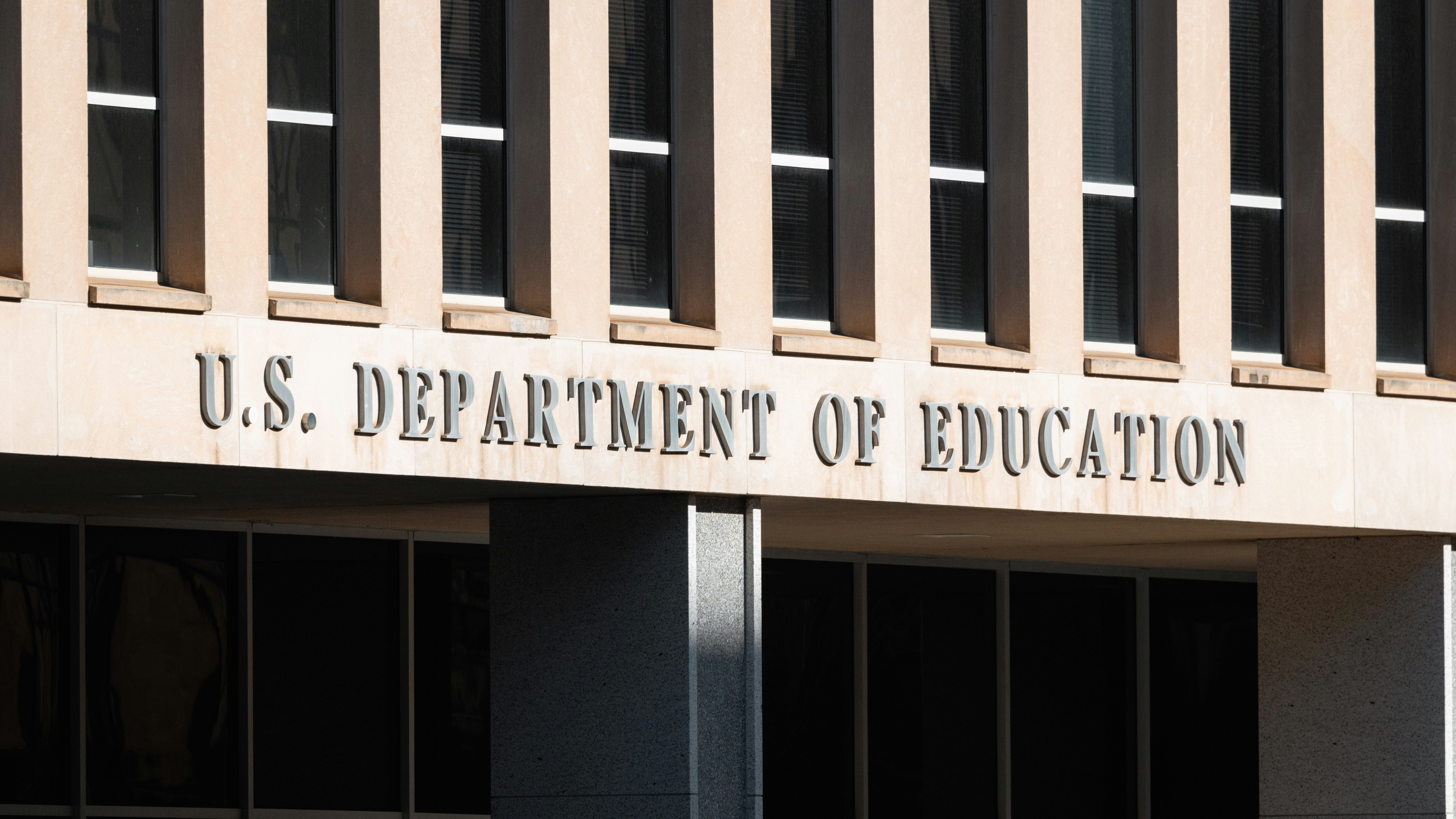
Education Secretary Margaret Spellings from members of both political parties on Tuesday when she appeared before the House Appropriations subcommittee that sets the Department of Education’s budget. In her , Spellings touted President Bush’s request to increase spending on Pell Grants by $2.6-billion in order to raise the maximum grant to $4,800 in the2009 fiscal year. Lawmakers, however, , by proposing to eliminate other federal student aid programs, including Supplemental Educational Opportunity Grants and Perkins Loans, to finance the Pell Grant increase. They also complained about proposed reductions in spending on historically-black colleges and universities and other minority-serving institutions. The budget request “doesn’t reflect the committee’s values,” Rep. Tim Ryan (D-OH) told Secretary Spellings.
Public Colleges and Universities Pinched by State Budget Shortfalls
The slowing American economy has prompted several state legislatures and governors to propose cutting higher education spending for the next school year. The Florida public university system, for example, has instituted a hiring freeze, is turning away more applicants, and is considering an 8 percent tuition hike. , meanwhile, are bracing themselves for a 4 percent decrease in their state funding, though this is a less severe reduction than many had predicted. In Rhode Island, Gov. Don Carcieri has asked colleges to give back $3.7 million this spring and anticipates a $17.8 million cut next year.
At the same time, data released this week by the (SHEEO) shows that state funding per-pupil increased in 2007, to an average of $6,771, but that is down from an all-time high of $7,621 in 2001. The SHEEO reports that colleges are increasingly relying on tuition for revenue.
Brown University Increases Financial Aid
Brown University became the latest elite institution to join the affordability race, that it will eliminate tuition for students from families that make less than $60,000 a year and replace loans with grants for students from families with incomes of $100,000 or less. The university will, however, introduce , ending a long-standing “no-work” rule for freshmen. The move represents a 20 percent increase in Brown鈥檚 financial aid budget to more than $68 million and an increase in the school鈥檚 endowment payout rate for financial aid from 5.5 to 5.89 percent.
Issues
Programs/Projects/Initiatives
Related


Enrolled But Not Protected: Young Parenting Students Face Eviction at Alarming Rates