
Sarah Jackson
Principal at SJackson LLC
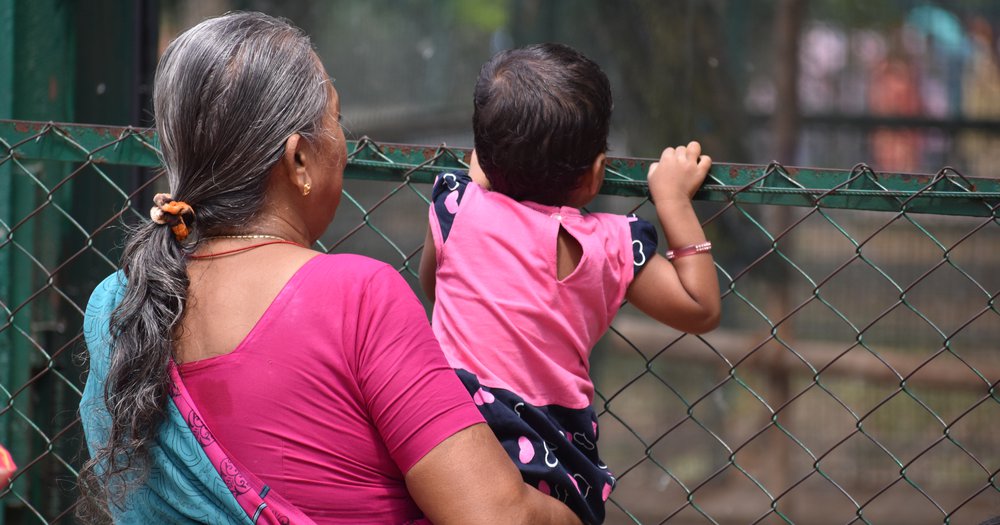
For families relying on informal child care鈥攇randparents, aunties, friends, neighbors鈥攖he pandemic has forced some terrifying tradeoffs.
One caregiver advocate told me about a grandmother in Napa County, California who's afraid of getting sick and dying鈥攂ut feels she has no choice but to continue to watch her grandchildren, whose parents are frontline workers. In high-cost counties like Napa, families have few affordable options for child care: Even before the pandemic closed childcare centers, child care slots were in short supply, and were often too expensive for most working families. Napa offers a public preschool program, but it鈥檚 only open during traditional school hours鈥攚hich doesn鈥檛 work for many of the families working in the county鈥檚 service and tourist industries.
As a result, many families turn toward . Trusted and convenient, FFNs are the for infants and toddlers in the United States, and a common source for preschoolers as well鈥攊n California, for instance, ages birth to 2 are cared for by informal caregivers. According to Pauline Dufour, who runs an outreach program through the Placer County Office of Education, families working minimum wage jobs in Placer County, California (which includes Lake Tahoe and the state鈥檚 Gold Country) might see their entire paycheck go to child care. 鈥淪o for survival, their child is going to go to grandma or auntie so they can go to work.鈥�
Since the pandemic began, FFNs have become even more crucial for those forced to work outside the home. Informal child caregivers, however, to provide the that young children need. Many FFNs aren鈥檛 properly equipped to support early literacy, and grandparent caregivers may need suggestions for constructive ways to handle children鈥檚 behavioral problems鈥攅specially when children have suffered from poverty or trauma. Children are more likely to 鈥渇all through the cracks because caregivers don鈥檛 have the information they need to get children ready for kindergarten,鈥� Dufour said.
To combat this, Placer County鈥檚 outreach program pairs caregivers with teachers and other child development experts in the community. These partners meet with FFNs regularly and provide kits with information about everything from first aid to social-emotional development and school readiness.
Most caregivers are hungry for the information and for the connection, said Dufour. 鈥淧eople want to know: 鈥業s it just me? Does anyone else have to deal with this same stuff? Am I crazy?鈥欌��
FFNs are typically not part of the formal child care system or other structured networks of support. While they鈥檙e eligible in some states to receive money for caring for low-income children, Karen Schulman, child care and early learning research director at the, noted that only a very small fraction of FFN providers actually receive that money鈥攖hey 鈥渄on鈥檛 know about subsidy programs, prefer not to apply, [or] aren鈥檛 eligible.鈥� States from the Coronavirus Aid, Relief, and Economic Security (CARES) Act to pay relatives to provide care鈥攂ut again, outreach is a challenge, and undocumented immigrants aren鈥檛 eligible.
In immigrant communities, trust is also often an issue. Hugo Ramirez, the director of programs at鈥攁 nonprofit organization that supports FFNs in Central and Southern California鈥攕ays FFNs he works with are often hesitant to identify themselves for fear that caring for children without a license may be illegal.
Visi贸n y Compromiso has had success training local Promotores鈥攃ommunity health promoters鈥攖o conduct outreach and training for caregivers in mostly Latinx communities in Southern and Central California. The Promotores recruit FFNs for six to eight-week sessions that train caregivers on coordinating with parents, early brain development, and culturally relevant art and other activities appropriate for young children.
The Promotores model is successful because it builds on the trust and connectedness of local women to share information, noted Alejandra Reyes, a project coordinator at Visi贸n y Compromiso. Many Promotores, she said, are women you鈥檙e likely to see while dropping your kids off at school, at the doctor鈥檚 office, or at the local food bank.
鈥淭hey struggle with the same problems that everyone does in your community,鈥� she said.
Reyes said she saw the power of the model early on. After only 15 women showed up to an initial session, the Promotores made a point of assuring attendees that no personal information was being collected. Word spread, and the next session doubled in attendance. In a community with a large population of undocumented immigrants, the attendees 鈥渏ust wanted to make sure they were safe,鈥� said Reyes.
During COVID-19, workshops have been moved to Zoom鈥攁 first for many of the FFNs Reyes works with. The trust she鈥檚 built with her community鈥檚 caregivers means she鈥檚 often called on to answer all sorts of questions about weathering the pandemic鈥攆rom finding food banks and cleaning supplies, to disciplining children without punishment, to accessing mental health services.
But, according to Reyes, the most important part of her work is teaching FFNs to recognize the crucial nature of their work, and to see themselves as professionals.
鈥淚t鈥檚 important for them to realize that even if you don鈥檛 have a license, your job and the work that you do is very valuable鈥攏ot only to the child, but to the whole community,鈥� she said.
Principal at SJackson LLC


