
Why Zika Vaccine Developers Are Taking a Pregnant Pause
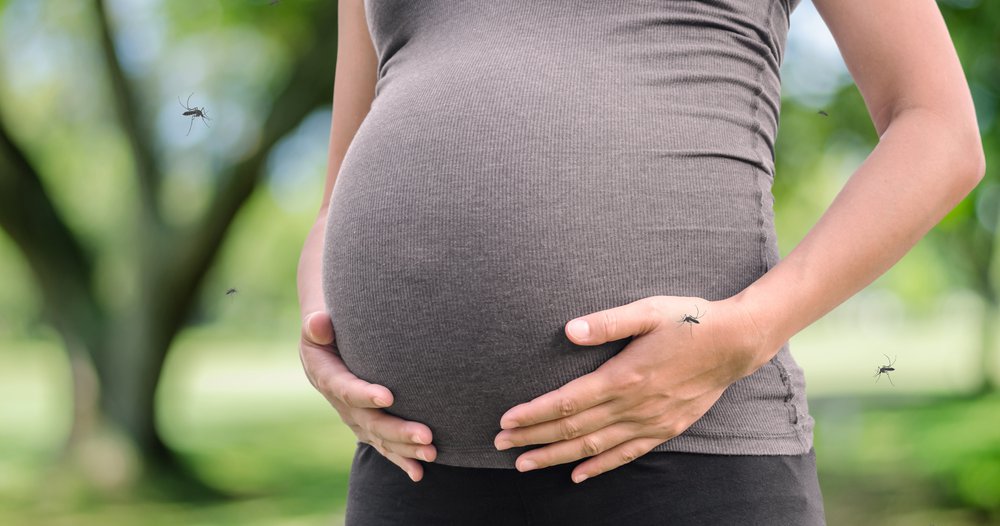
The money is pouring in for efforts to fight Zika and mitigate its effect. On Thursday, the World Bank $150 million in Zika-related aid to the hardest hit countries in Latin America and the Caribbean, where the economic impact in tourism-dependent regions is expected to top $3.5 billion. (The U.S. Centers for Disease Control has issued a rare travel warning for pregnant women thinking of visiting Zika-affected regions out of an abundance of caution.) The World Health Organization, which has declared a 鈥減ublic health emergency of international concern鈥� for Zika, announced a lengthy coordinated response plan on Tuesday that provides an for efforts to stem the spread of the disease, including the search for a vaccine. President Obama鈥檚 $1.8 billion in Zika-related funding is in Congress.
, it鈥檚 prompted an 鈥溾�� mentality from virus experts in academia, government, and private industry鈥攑erhaps the clearest example yet of 21st century, just-in-time scientific discovery. Leading the charge is Anthony Fauci, the head of the National Institute of Allergy and Infectious Diseases at the National Institutes of Health. I spoke with him earlier this month, a few days after he briefed Obama on the latest efforts to characterize the disease.
Fauci is quickly summed up his mentality when it comes to Zika: 鈥淭his is an issue, we鈥檙e going to address it, we鈥檙e going to be prepared for it, and that鈥檚 it,鈥� he told me. 鈥淚 just told our people in our vaccine research center to start converting on to a Zika platform as opposed to what they鈥檙e doing, and they鈥檙e doing it.鈥� Like many other experts, he expects person-to-person transmission of Zika to arrive in the United States this summer, though the extent to which it will spread in the U.S. is .
In his role, Fauci can fund and marshal top experts in universities to search for likely cures, but he still needs support from the pharmaceutical industry. are on a Zika vaccine, and the prospect of so many parallel research programs means a prototype vaccine may be available in just a few months, with initial clinical trials beginning in humans by the end of the year. 鈥淭he worse the outbreak, the less time it takes to prove whether it鈥檚 effective and safe,鈥� Fauci said.
It鈥檚 rare that so many companies are working on an emerging disease during the initial outbreak phase, because it鈥檚 difficult to predict the ultimate demand for the vaccine. That鈥檚 why government support at this stage is critical. And even with that support, according to virologists I spoke with, Zika poses unique challenges to vaccine development鈥攏amely that the population that seems to be most at risk is pregnant women. Over the last few days, researchers in South America have made firmer, albeit , connections between Zika and its two major threats: and , a type of degenerative condition of the nervous system in adults. There鈥檚 concern that a prospective vaccine may increase the risk of Guillain-Barr茅 if it too closely mimics the virus.
” 鈥楧o no harm鈥� is always a mantra when it comes to vaccinology,鈥� said Michael Diamond, head of the Infectious Diseases and Vaccine Development Center at Washington University in St. Louis. 鈥淪ince one of the key populations is pregnant women, vaccine developers will probably need to spend extra time to make absolutely sure the prospective vaccine is safe.” Diamond also said he鈥檇 been contacted directly by the NIH to inquire about his Zika research, a rare step.
One company working on Zika is NewLink Genetics. Their chief scientist, Tom Monath, helped develop the precursor to (a tropical disease in the same family as Zika) as well as . Before joining private industry, Monath was the director of the vector-borne disease division at the Centers for Disease Control and Prevention as well as chief of the virology division at U.S. Army Medical Research Institute of Infectious Diseases, which was featured in the Ebola-themed nonfiction book .
Instead of the DNA-based tack he used during the Ebola outbreak, Monath plans to focus on a 鈥渘on-replicating whole virus particle product鈥� with Zika鈥攅ssentially a dead Zika virus鈥攖o ensure the vaccine will be 鈥渁bsolutely safe for pregnant women.鈥� Still, he says, he鈥檚 encouraged that other colleagues are taking the genetic-engineering route with Zika. 鈥淗opefully we鈥檒l have multiple successful Zika vaccines,鈥� Monath said. 鈥淚鈥檇 be delighted if that were the case. I鈥檓 sure I speak for all of my colleagues: We are all very interested in public health so a solution, if anybody cracks this sooner rather than later, will be good for the world. 鈥� But my guess is it鈥檚 going to happen on a somewhat longer timeline.鈥�
If and when Zika comes to U.S. shores, Houston will likely be among the first to be hit. Nearby, Pei-Yong Shi leads a team working on a Zika vaccine at the University of Texas Medical Branch in Galveston. Shi鈥檚 team is among those slated to receive support from the World Health Organization to work on Zika, though he says he鈥檚 still eagerly awaiting clearer results from teams working in South America before he鈥檒l be able to complete his work. 鈥淎 lot of questions still need to be answered in the clinics that will definitively enable vaccine development,鈥� he said. Among those are basics, like 鈥渉ow long does the virus linger after initial infection until fevers begin?鈥� At the moment, basic knowledge like this is still hard to come by, but science-based definitions of the virus can鈥檛 come soon enough鈥攅specially considering that are in parts of Latin America. 鈥淯nder this emerging situation, speed is really important.鈥�
This story originally appeared in Slate’s , a partnership between Slate, 国产视频, and Arizona State University.
Eric Holthaus is a meteorologist who writes about weather and climate for Slate鈥檚 Future Tense. Follow him on .
More 国产视频 the Authors
Related

“Getting the Golden Ticket”: Participants’ Perspectives on Lexington’s First Assembly

Civic Assemblies: A Framework for Community Colleges

Don鈥檛 START Now
