
Women and Men in Afghanistan Are Taking Action for Peace
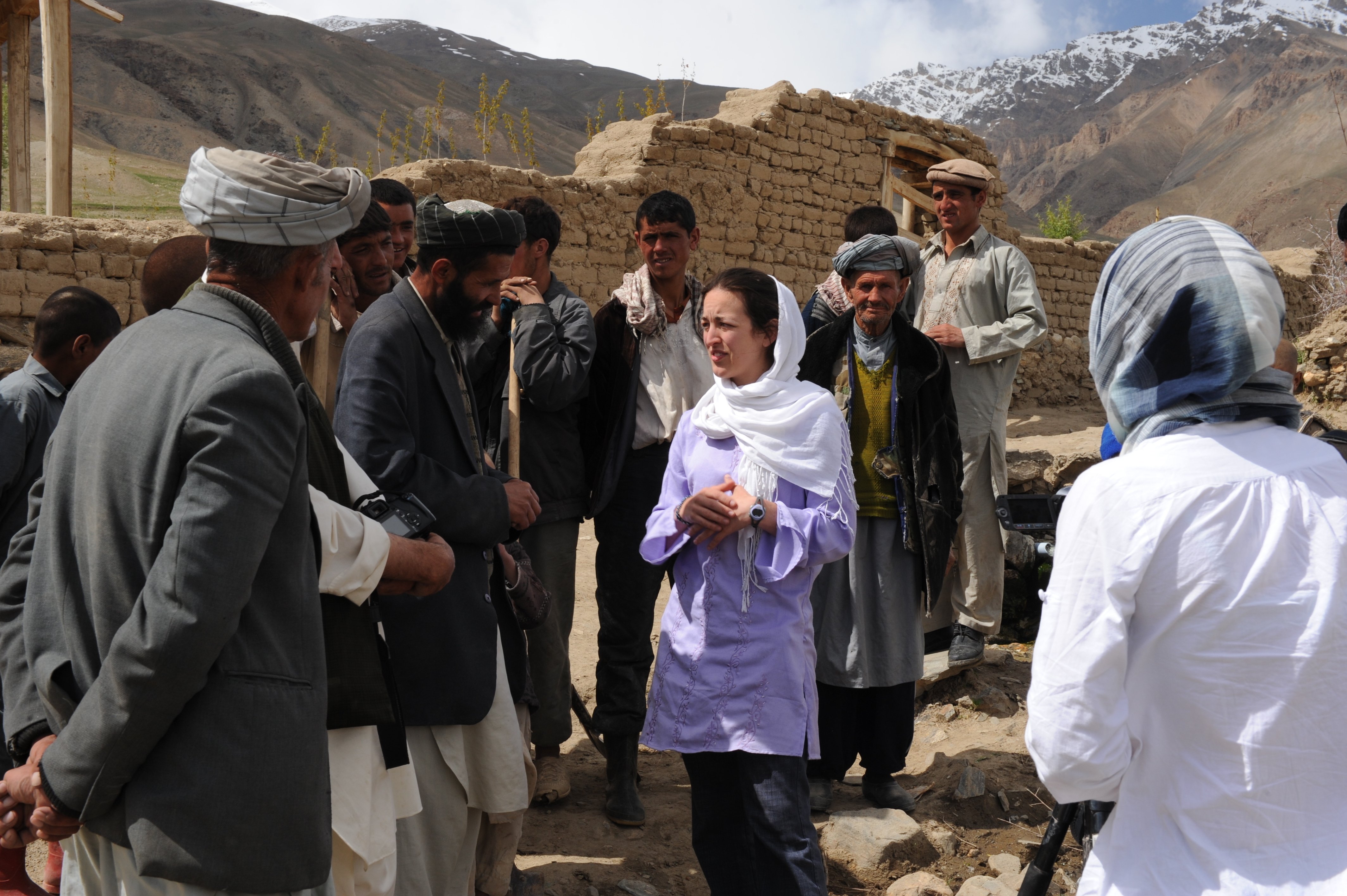
Mahbouba Seraj had a tough job: convincing traditional Afghans that women should play an equal role in rebuilding the country. For months, Seraj traveled across Afghanistan to drum up support for an ambitious new policy framework to ensure women鈥檚 equal rights and participation in governmental decision-making, protection from violence, and human development.
The National Action Plan (NAP) was born from United Nations Security Council , which promotes women鈥檚 participation in peacemaking and security. Only have adopted NAPs since the passage of 1325 15 years ago鈥攅ach with varying degrees of success. Afghanistan plans to officially launched theirs soon鈥攖he date is still being determined鈥攁nd when it does, it will become the second predominately Muslim country in the Middle East/North Africa region to boast such a plan ().
In a country beleaguered by decades of violent conflict and Taliban extremism, 聽the passage of this progressive gender plan is no small feat鈥揺specially in the face of tremendous backlash to other international efforts intended to 鈥渆ngineer gender inequality,鈥� as Alissa Rubin wrote this week in the . The milestone offers lessons for the other 146 countries still grappling with whether and how to make similar gender equality commitments.
One of the first lessons: couple initiatives to change national policies with a simultaneous, and equally powerful, movement to change national culture. As a civil society leader, that was Seraj鈥檚 dual objective.
How did she do it? By asking resistant men to imagine Afghanistan as a half-crippled body. Without the inclusion of 50 percent of its citizens, how could Afghanistan really achieve national peace and reconstruction?
鈥淚t鈥檚 just a simple fact鈥攚e need two hands, two legs, two feet,鈥� she said. 鈥淎nd honestly, this [argument] really worked. They got it.鈥�
Increasingly, it looks like a much larger swath of the country is starting to 鈥済et it,鈥濃�攊t being the idea that you can鈥檛 achieve stabilization and security without women鈥檚 inclusion. The NAP launch alone doesn鈥檛 amount to any guarantees鈥攁fter all, there are still in the country鈥檚 new cabinet. But it鈥檚 an important step that reflects Afghanistan鈥檚 . 鈥淭here is a paradigm shift in Afghanistan,鈥� Seraj says. 鈥淪lowly we are seeing more men coming on board and supporting programs and processes that involve women.鈥�
This paradigm shift has taken years. In 2007, Seraj and the large civil society she works with began agitating for a National Action Plan.
It was an auspicious beginning. At the first official NAP meeting in 2009, a male elder of the upper house of parliament, 鈥済ave a speech about recalling a history of women as prominent actors in the resolution of local conflicts, acting as a grounding force for their culture and country,鈥� recalls Michelle Barsa, deputy director for policy and conflict programs at the Institute for Inclusive Security, an American nonprofit that advises NAP drafting processes, including Afghanistan鈥檚. 鈥淚 was shocked that he was one of the first to stand up and talk about why he thought 1325 mattered.鈥�
Challenges emerged when leaders traveled out to the provinces to convince both government and religious leaders of the NAP鈥檚 value, and to gather feedback about the major security concerns of that province.
During a meeting in Paktika province, for example, one citizen worried aloud that involving more women in the peace process might backfire given the Taliban鈥檚 anti-women stance. Right now, there are (out of ) on the High Peace Council, the national body overseeing reconciliation.
Eventually stakeholders came to the consensus that 鈥渨e can鈥檛 compromise basic rights, responsibilities, and contributions of women, who are half of our society,鈥� said Saeedullah Reshteen, the Afghan government鈥檚 program coordinator who was embedded in the foreign ministry during the drafting process. Reshteen also remembers one incident during a government meeting about three months into his job. A member of parliament started shouting at the NAP group: 鈥淭he U.N. Security Council is America鈥攚e don鈥檛 want these Western values!鈥�
In many cases, changing minds often came down to semantics鈥攖weaking the vocabulary around issues of gender equity and women鈥檚 empowerment. In Farsi, 鈥済ender鈥� has a loaded sexual connotation, explained Samira Hamidi, a representative from the Afghan Women鈥檚 Network. There was, Reshteen suggested, confusion about what 鈥済ender鈥� means in a political context鈥攁s a way of simply referring to women鈥檚 roles in society. Development goals were the vehicle through which much of the advocacy took off, consistent with Afghan priorities. So the term 鈥済ender equality鈥� became 鈥� social equality.鈥�
Members of civil society and government also worked with religious leaders to tie their arguments to Islam and local traditions鈥攁n attempt to de-emphasize the foreign roots of the policy framework.
And yet, in some ways, the ultimate success of the policy is inextricably bound to the international community, particularly Western nations that may end up paying for its implementation.
鈥淲hile Afghans have exhibited huge political will and a huge commitment, the Afghan government will not have the money to pay for it,鈥� said Miki Jacevic, vice chair of the Institute for Inclusive Security. 鈥� If you don鈥檛 have the money for it, we should not kid ourselves that Afghans will implement this.鈥�
Though the Finnish government the creation of the NAP along the way, Jacevic worries that there will not be enough fiscal support to actually implement this policy鈥攁nd that rhetoric from other countries about support for Afghanistan won鈥檛 translate into dollars.
In some ways, with a fragile peace process and NATO troops withdrawing, the stakes for success are higher than ever. 鈥淲e鈥檙e creating public policy in an environment where the nature of conflict and war has changed,鈥� Jacevic said. 鈥淣APs recognize that this war broke out because of oppression and exclusion due to ethnicity race and gender. [Now] there is a recognition that we need to approach challenges in a way that will find practical solutions with everyone鈥檚 help and perspectives.鈥�
But even if the NAP isn鈥檛 implemented according to plan, Barsa maintains that the process of developing the plan was 鈥渏ust as important, if not more important, than the actual plan itself. The reality is that you have men all over various ministries鈥� who can now articulate why it鈥檚 important for women to be involved at all levels of government, she said. This has already influenced ministry agendas and priorities. For example, the Ministry of the Interior created an internal working group to promote the recruitment and retention of women to the Afghan National Police. This initiative, Barsa said, was a direct result of the collaboration between women鈥檚 civil society groups and the government in advancing NAP implementation with or without the formal policy document.
Another big implementation challenge will be presented by the changing of the guard. What happens when the key NAP architects are replaced by legislators that don鈥檛 feel the same sense of ownership鈥攁nd don鈥檛 have the same understanding of the framework?
At least Seraj isn鈥檛 going anywhere. It鈥檚 Afghans like her who will ultimately see the policy through. Seraj, who is 67, was born and raised in Afghanistan, but left in 1978 to come to the United States. She returned to Afghanistan in 2003 after she heard about the Taliban shooting a woman in the back of the same stadium where, as a young woman, she had seen Duke Ellington perform. 鈥淚t made watching from afar more painful to me than anything else,鈥� she said. 鈥淚 rented my house, packed up a few things, and went to Afghanistan. And I鈥檝e been involved with women in this country ever since.鈥�
This article originally in Foreign Policy鈥榮 South Asia Channel.
More 国产视频 the Authors

Elizabeth Weingarten
Senior Fellow, Better Life Lab
Related

鈥淧eace Through Strength鈥� Is Hard to Read

“Getting the Golden Ticket”: Participants’ Perspectives on Lexington’s First Assembly

Civic Assemblies: A Framework for Community Colleges
