
Susan Blumenthal
Senior Fellow in Health Policy
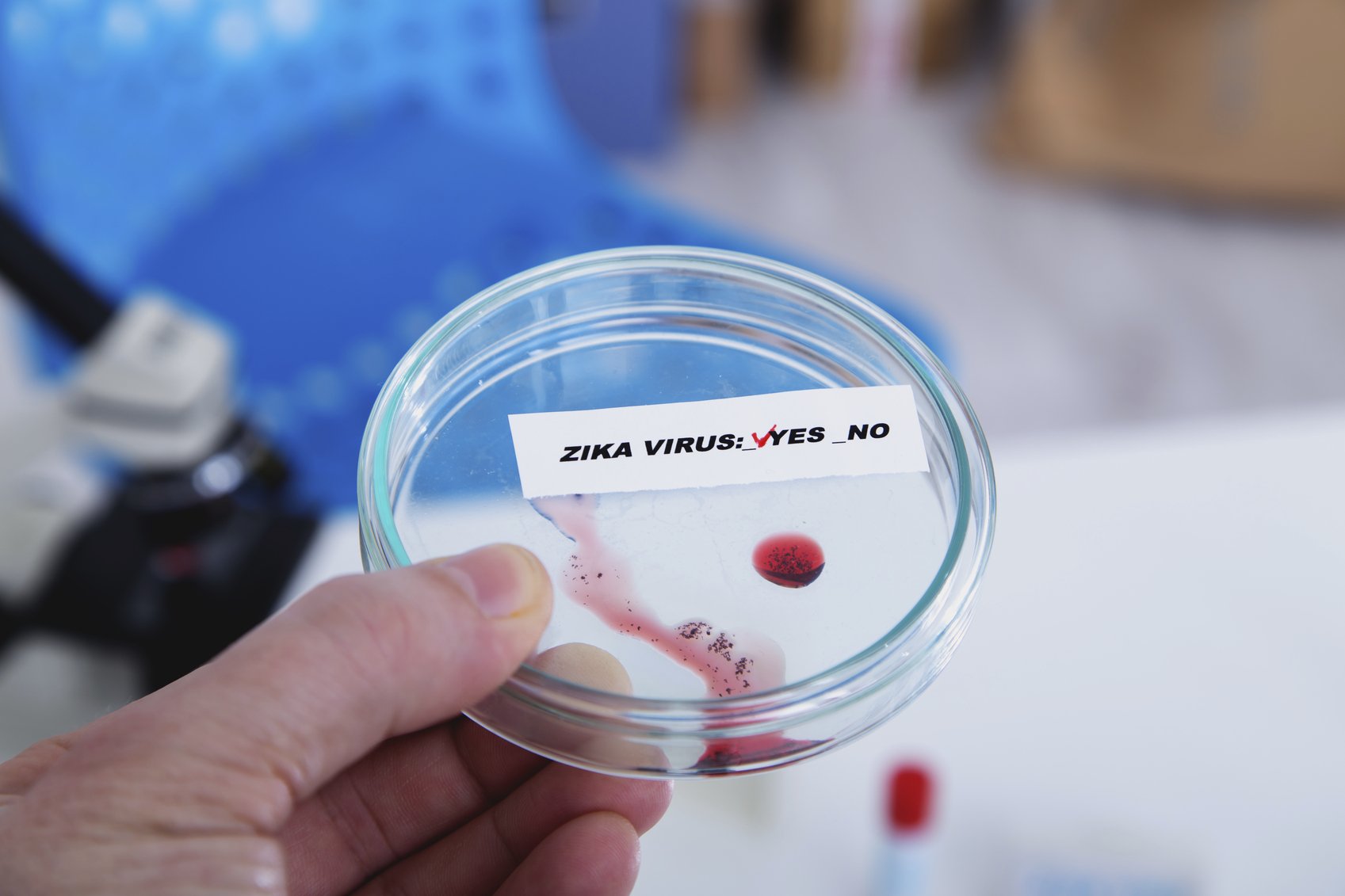
With as many as 500,000 spectators and more than 10,500 athletes expected to attend the Olympic and Paralympic Games in Rio de Janeiro this summer, the world is racing to contain the mysterious, mosquito-borne Zika virus that has 聽since 2015. It鈥檚 no wonder why: The disease causes microcephaly, a rare birth defect 鈥� never before associated with a viral infection 鈥搕hat causes babies of some pregnant women, infected with the virus, to be born with underdeveloped heads and brains. More than . Another . The likelihood of a woman who was infected with the . Additionally, physicians are concerned that infants might experience other neurological damage and developmental problems that could affect their vision, hearing, cognition, and behavior. Adults have experienced an autoimmune disease associated with the virus called Guillain-Barr茅 syndrome that can result in paralysis. To date, .
With no vaccine or treatment, or indeed much knowledge about who is most at risk for complications of the disease, 聽currently available about Zika, 聽. They worry that some athletes and spectators will become infected while in Rio and then carry the virus back to their home countries, further spreading the disease worldwide. This would be of particular concern for countries where the virus is not endemic and for developing nations that do not have adequate health infrastructure to prevent the disease鈥檚 spread and where mosquito vectors exist for transmission. They argue that major sporting events have been moved before; for example, the . In their , these experts believe that just a few infected travelers in several countries or continents could result in a 鈥�.鈥�
Other scientists suggest that the number of Zika cases will decline during the winter months in Brazil when the Olympics are scheduled to occur. However, recent seasonal patterns for diseases, like dengue, carried by the same Aedes aegypti mosquito, suggest that while the Zika outbreak might well ebb during the summer, it will most likely not disappear entirely. Furthermore, given the effects of climate change, some mosquitos are thriving in winter months that are warmer than in previous years. expressed by some experts is that the Asian strain of Zika (believed to be introduced to Brazil in 2013 and subsequently to other South and Central American countries) appears to have higher rates of serious complications, including microcephaly and Guillain-Barr茅 syndrome, as compared to the African strain. More research is needed on these observations, and on other aspects of the disease.
But what we do know is this: Tens of thousands of tourists packed into outdoor stadiums and event venues at the Olympics this summer is worrisome to athletes and spectators when there is a mosquito-borne disease at large. To address these concerns, the WHO and the Centers for Disease Control and Prevention (CDC) recently . These organizations note that people travel to and from Brazil every month for many reasons, and that, since 2007, , 鈥淭he Olympics would represent less than 0.25 percent of all travel to Zika affected areas.鈥� 聽He states, 鈥淪o even if the Olympics were called off, we鈥檇 still be left with 99.75 percent of the risk of Zika continuing to spread.鈥� Next week, the WHO plans to convene a high level meeting of experts to discuss what is known about Zika risks at the Olympics and to determine whether any travel recommendations should be updated or revised.
While the WHO and CDC statements provide general reassurance that the Rio Olympic games this summer do not pose an increased risk of Zika transmission given the sheer volume of travel that already occurs to and from Brazil, the actual risk of further Zika spread as a result of the Games is difficult to accurately predict. To address this issue, several epidemiologists have developed based on estimating how many mosquitos will be in Rio during the Games to determine the chance that spectators and athletes could be infected during this three-week period. a 1 in 31,000 chance of contracting Zika during the Olympics in Rio 鈥� that means 16 cases鈥� as compared to a 1 in 11 million chance of dying in a plane crash or a 1 in 9,100 chance of being killed in a car accident in the United States this year but it should be noted that believe there are limitations to this statistical approach. However, according to the , attendees are much more likely to experience food poisoning during the Olympics in Brazil than to become infected with Zika.
But it should be remembered that this public health issue is not just about the number of cases, but also about whether infected people travelling back to their countries might trigger a new outbreak somewhere in the world. However, according to the mathematical model, keeping the Games in Rio would not change the course of the epidemic globally. Similarly, Given the public鈥檚 fears about contracting Zika at the Games, Rio鈥檚 Olympic organizers convened a briefing on June 7th, with .
Nonetheless, some experts argue that core principles that animate the Olympic Games provide a counter argument to convening the competitions in Rio this summer under these circumstances. An quotes the International Olympic Committee statement: 鈥淥lympism seeks to create 鈥� social responsibility and respect for universal fundamental ethical principles.鈥� If any Olympic athletes or spectators attending the 2016 games in Rio become infected with the virus and return to their respective countries and then transmit the disease to others, this would represent a violation of the 听听
What is clear is that the ongoing spread ad impact of the Zika virus has been yet another wake-up call after the Ebola outbreak last year that infectious diseases pose significant threats to human health and international security.聽On聽. Experts estimate that聽, where Zika-carrying mosquitos can thrive. According to the WHO, as many as聽聽are predicted in the Western hemisphere alone by the end of 2016. There is increasing concern that the disease could affect people living in the United States during the upcoming summer season. 聽The virus is a particular threat to聽
If local transmission of the virus occurs in North America, the聽聽 The聽聽and travel by people are largely responsible for introducing these mosquito vectors to other habitats and continents. In addition,聽, and rising temperatures linked to 聽have increased the number of locations around the world in which these mosquitos can thrive.
The Zika pandemic underscores the importance of prevention and public health preparedness in mitigating the spread of disease and promoting global health. Since 1976, as many as聽聽have emerged each year: HIV/AIDS, SARS, H1N1, Ebola, MERS, and West Nile encephalitis are just some of the most serious and headline grabbing ones. As of 2014, more than聽聽were linked to聽.
Given the urgency of Zika as a public health threat, the to fight the disease. Congress is currently debating the level of funding required. In the meantime, on April 6, 2016, the Obama Administration redirected $589 million in unspent funding to combat Ebola to fight the Zika epidemic while waiting for Congress to act. By investing in research (which Congress has still not done at an adequate level) toward the discovery of a vaccine and antiviral treatments, human suffering and the long-term costs of caring for children with microcephaly, and people with Guillain-Barr茅 syndrome and other health damaging complications of the virus can be averted. Additionally, the results of increased knowledge about the virus should pay dual dividends to help fight other infectious diseases as well.
We can go debate where the Olympics should be held, but Zika is a global problem regardless of where athletes go for gold this summer, one we need more resources and research to solve. 聽On May 6, 2016, UN Secretary-General Ban Ki-moon announced the establishment of a targeted 鈥�,鈥� which will provide a rapid, flexible, and accountable platform to support a coordinated response to support the global in consultation with UN agencies, partners, and international public health experts. Donors will contribute to a central 鈥渇und鈥� and an Advisory Committee will direct monies to priority activities and programs. This is an important step forward, but this Zika Fund should be expanded and established as a 鈥淕lobal Health Security Fund,鈥� a permanent entity to support the international response to all emerging infectious disease threats now and in the future (in the interest of full disclosure, we have previously proposed such a group).
On May 20, the World Bank launched an innovative $500 million insurance fund to address some of this need. The will help in the fight against pandemics in poor countries. In the event of an outbreak, the facility will rapidly release monies to an affected nation and qualified global first responder organizations. The fund creates the first insurance market for pandemic risk.
Last month, at the G-7 meeting in Tokyo, pandemic planning was a prominent issue with the group鈥檚 endorsement of the . The G-7 has reached out to more than 70 countries to assist them in implementation of the WHO International Health Regulations. However, only about one-third of nations globally have the resources and public health infrastructure to respond effectively to public health emergencies like Zika creating vulnerabilities worldwide. That is why pandemic planning and response is essential with coordination of efforts, robust early detection methods, disease surveillance, and reporting systems, as well as investments in new vaccines, treatments, and prevention strategies. Community education and mobilization is critical, as well as creating a Pandemic Response Corps of trained health professionals, lab technicians, and other health providers, who can be rapidly mobilized when an outbreak occurs anywhere in the world.
Focusing global attention on where the Olympics should be run this summer while failing to commit the necessary time, money, and action to combat the Zika virus is not a winning strategy. Throughout history, infectious diseases have killed more people than wars, making them powerful international enemies and decisive shapers of history. They remain clear and present dangers to human health, economic development, and national security in an interconnected 21st聽century world, and we must remain vigilant against them. That is why a medical marathon is needed, making significant investments now to strengthen the scientific knowledge base, developing new global health technologies including rapid testing methods that can be deployed in combination with proven public health practices, as well as strengthening health systems with a coordinated national and international response. These efforts will enhance our ability to fight Zika and other emerging infectious disease threats more swiftly and effectively, moving from peril to progress in the years ahead. Intensifying concern about the spread of the Zika virus worldwide underscores that microbes are ticking time bombs against the health of humanity and failure to fight them is聽not聽an option.
Senior Fellow in Health Policy


