Joe Wilkes
Editorial Manager
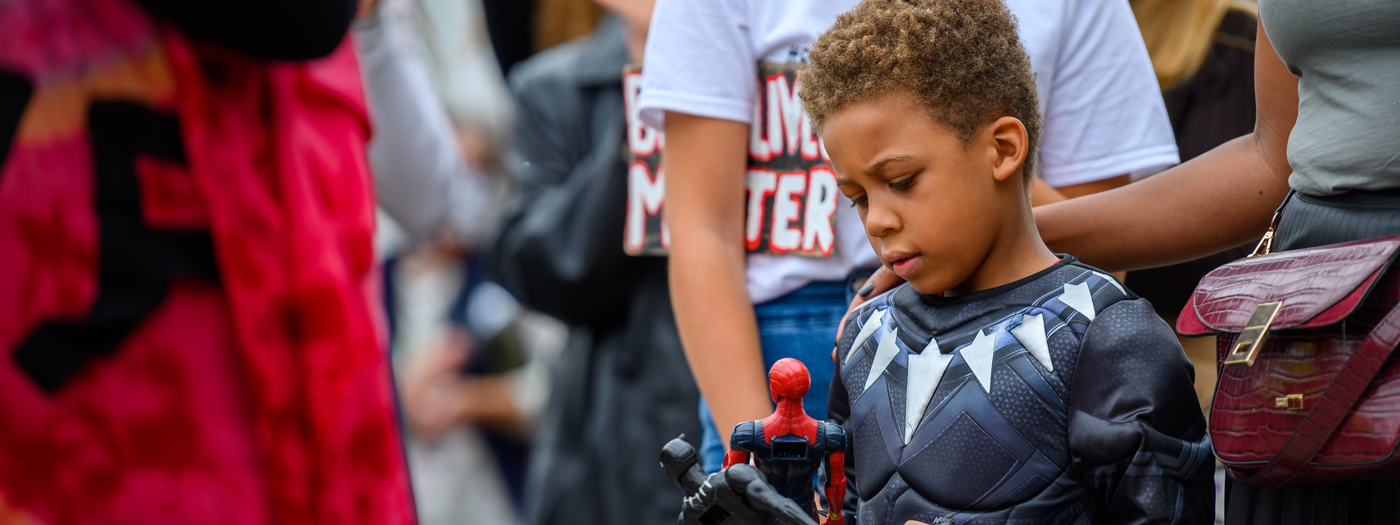
There has never been a better time for Black and Brown superheroes on screen. Long-relegated to sidekicks, heroes of color are taking center stage in box-office hits like Black Panther, Into the Spider-Verse, and especially with the introduction of a Black Captain America鈥攕omething people of color like me never thought we would see on screen. But the turning point for when diverse superheroes became prominent is more recent than many may think.
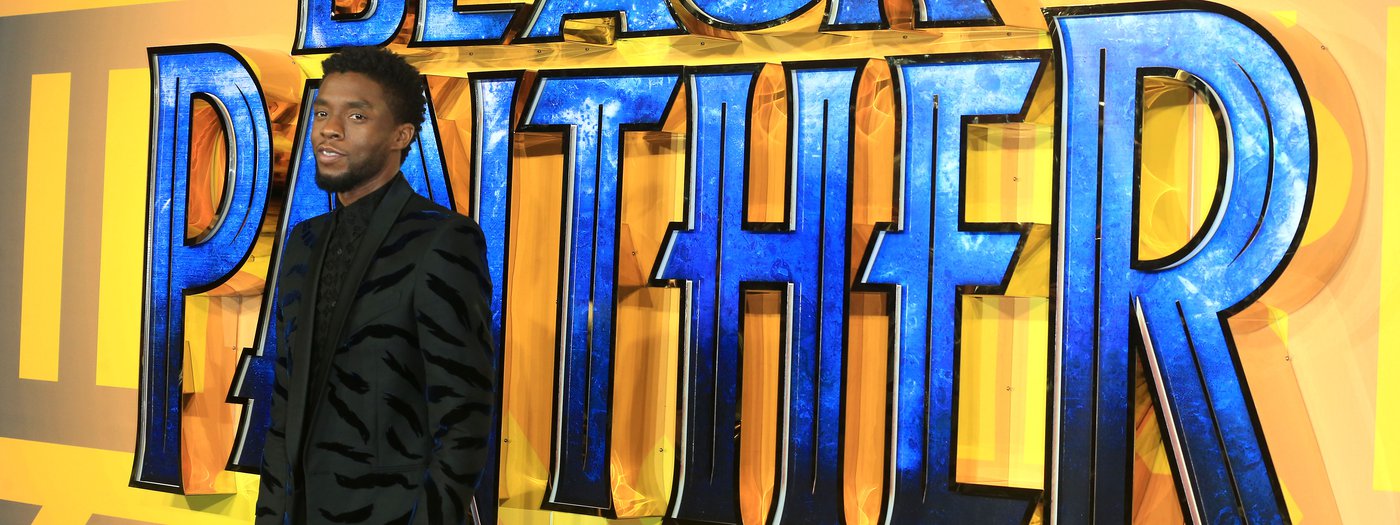
The 2018 releases of Black Panther and Spider Man: Into the Spider-Verse changed our view of what a superhero movie is鈥攁nd what it could be. Marvel Studios鈥� Black Panther was the first superhero movie to be nominated for best picture at the Oscars and the highest-grossing solo superhero movie of all time. Spider-Man: Into the Spider-Verse won an Oscar for best animated feature that same year. They showed the historically white entertainment industry that Black-led superhero stories excite diverse and white audiences, and their impact can be innumerable鈥攅specially when done right. These stories were a turning point in the evolution of the Black superhero in film and tv.
But long before Black Panther swept the box office, the first Black superhero we saw on film was 1993鈥檚 The Meteor Man鈥�a gang-fighting superhero from Washington D.C. Yet despite a star-studded cast including Robert Townsend, Don Cheadle, and James Earl Jones, the film didn鈥檛 get half the recognition that other franchises of white characters at the time, like Tim Burton鈥檚 Batman did. Four years later we saw 厂辫补飞苍鈥�a movie adaptation of the best-selling comic about a Black antihero鈥�although a successful comic, left the theater with little fanfare. Even though they weren鈥檛 blockbusters, The Meteor Man and Spawn left their mark on the superhero movie genre, and paved the way for future Black superheroes on screen.

The first Black superhero film I remember seeing was Marvel鈥檚 first big comic-to-movie adaptation in 1998: Blade. Unlike the Black superhero films that came before, it was a commercial success, with high-budget action and incredible stunts. Indeed, Wesley Snipes as a vampire-fighting half-vampire changed my idea of what being a superhero could be, and set the new standard for what a superhero can be in cinema. Blade gave me hope for the future of not only superhero cinema but also how Black characters and stories could fit into it.
Unfortunately, it would be 20 years before we got another Black superhero lead in a truly successful blockbuster film.
In those 20 years, Black superheroes like Storm, Frozone, War Machine, Heimdall, and others, became supporting characters, their arcs dependent on the white characters around them. And the Black leads we did get weren't necessarily the ones meant to root for鈥攖hey were drunk narcissists playing on racist stereotypes (Hancock) or thieves (Catwoman). In comic book history, Black superheroes reflected Black culture and struggles of a specific moment, and depicted the hopeful futures of Black people. But in the movies of the 2000s, the stories of these Black superheroes were whitewashed.

Even Samuel L. Jackson鈥檚 Nick Fury, one of the Marvel Cinematic Universe鈥檚 (MCU) most integral characters, is largely in the background. First appearing in 2008鈥檚 Iron Man, Fury鈥檚 presence on screen always indicated a major plot moment. However, in the cinematic universe, we don't know all that much about the man responsible for bringing the Avengers together鈥攖he closest thing we have to an origin story is his storyline that plays out in the background of Marvel鈥檚 Captain Marvel. Still, Fury represented the beginning of essential Black characters in the modern MCU.
But, while we haven鈥檛 seen ourselves much on the big screen, television has been a different story. In 2015, Mike Colter made his debut as the bulletproof Luke Cage in Jessica Jones, and soon received his own spinoff show. And in 2018, Black Lightning debuted on network TV, starring Cress Williams as the title hero, a Black father who harnessed electricity to fight injustice. This was one of the first times we got to see characters on screen who were unapologetically Black, and broke down some of the racist and heteronormative stereotypes that live within the Black community (even though it upheld others at some points). I got to see more authentic Black life in this space鈥攖he life of a Black man trying to help the lives of Black people around him, and queer Black lives, which are rarely put on the screen, especially in this genre.

TV studios can cater to specific audiences (i.e. to Black audiences), while major movies need greater overall audience appeal (i.e. to white audiences). Executives didn鈥檛 think a story centered around Black struggle with a Black lead and cast could have mass appeal, but that all changed with Marvel鈥檚 Black Panther.
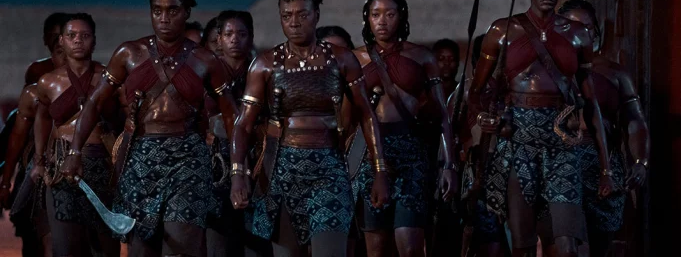
Black Panther brought to the screen the celebration of African and Black culture and the strength of Blackness itself, especially Black women. And at a time where the country was confronting its racist history, this film brought salvation. Watching Black Panther inspired and empowered me鈥攆or the first time in a long time: we weren鈥檛 the sidekicks, we were the heroes; we weren鈥檛 the fear, we were the hope; we weren鈥檛 the servants, we were the kings. Black Panther allowed young Black individuals to see themselves prosper, see themselves be royal, see themselves be at the forefront of technological advances, and all while being unapologetically Black.
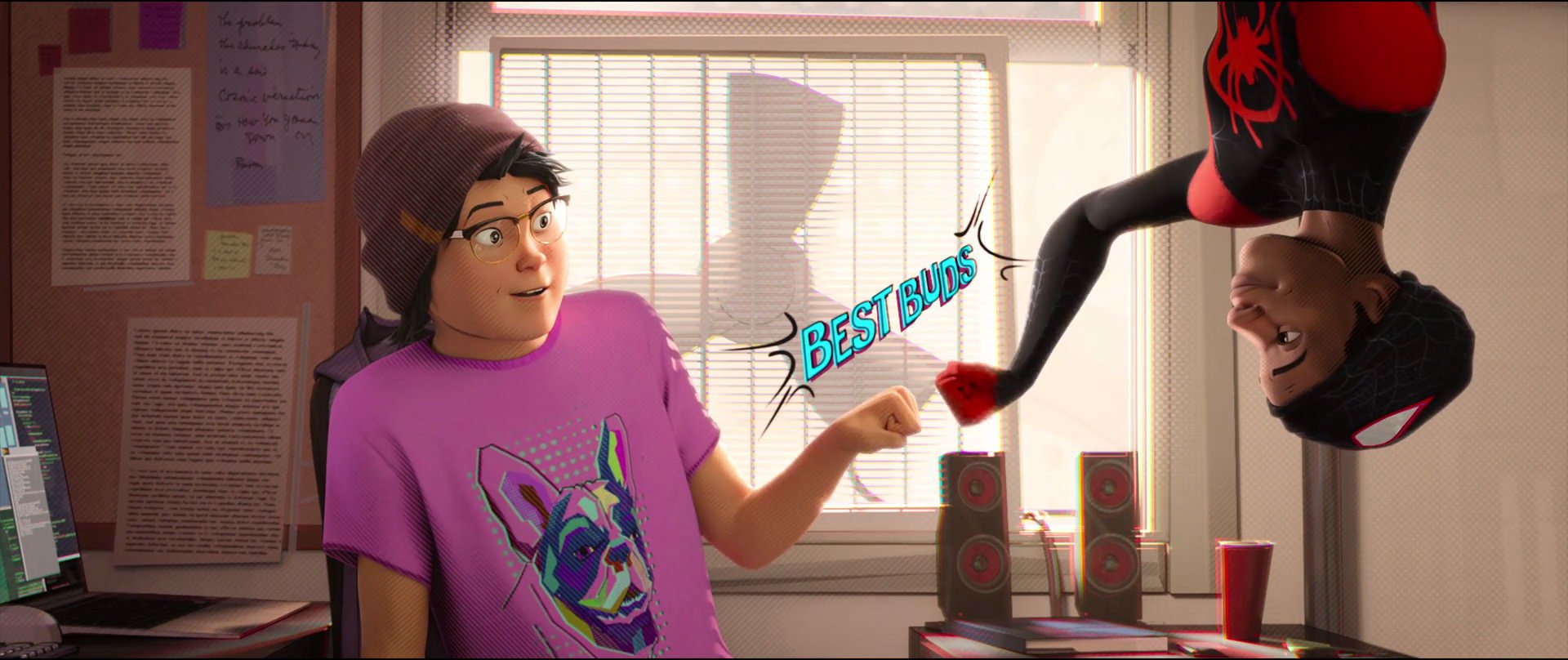
And Black Panther spurred an awakening in comic book cinema and gave way to the rise of the Black superhero. In the past three years we鈥檝e had our first Afro-Latino Spider-Man in Spider-Man: Into the Spider-Verse; and Sam Wilson, played by Anthony Mackie, became the first on-screen Black Captain America. Casting a Black Captain America has even more significance because of when and how he was introduced鈥攄uring the protest and trial of Derek Chauvin, when media was clouded in Black pain, Marvel brought us the story of a Black man choosing to lift up the shield of a nation that has long enslaved and discriminated people like him. Captain America鈥檚 presence, and the show itself, wasn鈥檛 just representation, it was conversation: We discussed the reality that you can be a superhero, but you鈥檒l always be Black first.

For an absolute 鈥溾�� like myself鈥攆rom the comics to the movies, to new television shows鈥攕eeing this evolution of the superhero space is emotional to say the least. While there is Black joy centered in these moments, there is also white anger. White anger as Captain America is no longer a white man with blond hair and blue eyes, even though that story arc happened . No longer having a white man as the main character, the leader, the focal point, is a huge change from the norm in superhero films. A huge change that meant people like me could see ourselves as champions, too.
And luckily the future of the comic book movie genre isn鈥檛 just Black, it鈥檚 diverse in so many different ways. Studios are introducing many more characters of diverse backgrounds鈥攎ore Black characters (including a Black woman solo lead); characters of , , and heritage; characters of different sexual orientations; and more. Comic book movies have long allowed white audiences the chance to dream beyond our reality and put themselves in the shoes of heroes and champions. But now it鈥檚 time to embrace a multicultural multiverse鈥攇iving more of the world the opportunity to dream, to see themselves as the hero, and join in the comic book community.
Editorial Manager