
Companies Aren鈥檛 off the Hook When It Comes to聽User Privacy
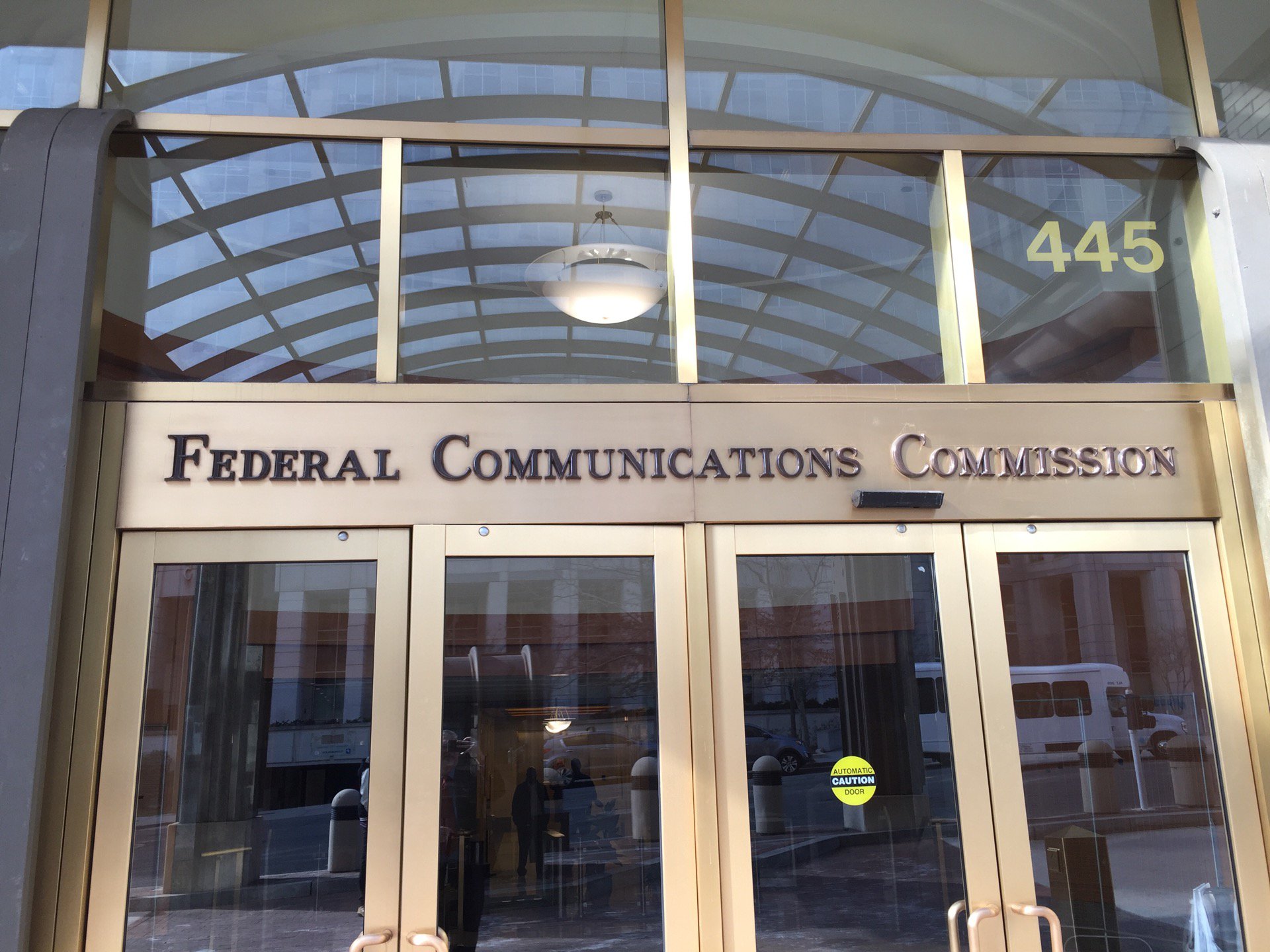
Around the world, technology companies are engaged in a battle for your data. And as internet companies like Google and Facebook grow their revenue through a business model of on the internet and , internet service providers (ISPs) like AT&T, Verizon, and Comcast are to monetize your data as well. Just last week, a lobby group for ISPs to the FCC proclaiming that users鈥� web browsing and app usage history shouldn鈥檛 be considered 鈥渟ensitive information鈥� and thus should not be subject to new regulatory guidelines issued in October that restrict the use of this information for advertising purposes.
Luckily for ISPs, these privacy regulations may never come to fruition, anyway. Recently, the FCC, under its new leadership, to freeze its new broadband privacy that would require companies to inform consumers about what information they collect, how it is used and shared, and what options consumers have to control how companies can use and share that information.
This matters because the FCC鈥檚 rollback of privacy guidelines is a blow to efforts aimed at increasing corporate transparency and public accountability around how they handle users鈥� information.
One of the key components of the FCC鈥檚 broadband privacy rules was a requirement that companies give users clear notice about what information they collect, how it is used, and how or with whom it is shared. All companies should, at the very least, tell users what they are doing with their personal information. Different people have different privacy concerns, which is why transparency is so important: Individuals need to have enough information in order to make informed decisions about the privacy implications of their technology choices.
When we talk about the importance of privacy polices, one of the counterpoints people often lob is that users don鈥檛 even read terms of service documents or privacy policies. The assumption here is that the information people need is already there鈥攊f only they would take the time to read documents instead of hastily clicking 鈥渁ccept.鈥� But while it that the majority of users don鈥檛 read these policy documents, that doesn鈥檛 mean that companies are off the hook.
People don鈥檛 know what happens to their data online, and are increasingly concerned about it. In a from 2014, 91 percent of adults surveyed agreed that consumers have lost control over how personal information is collected and used by companies. In a recent , 60 percent of internet users in the United States reported that they were uncomfortable with the collection of their personal data, and 31 percent changed their behavior as a result, choosing not to use, or to stop using, certain technologies, sites, or services.
And what is one way companies could regain users鈥� trust, according to the survey? Greater transparency.
, an initiative affiliated with the Open Technology Institute at 国产视频, created the to assess how well internet, mobile, and telecommunications companies are demonstrating a commitment to users鈥� rights, as well as to provide recommendations for how companies can do a better job of respecting users鈥� rights, regardless of what laws or regulations require. Unfortunately, the 鈥攍aunched this week and based on policy documents for 22 of the world鈥檚 most powerful internet, mobile, and telecommunications companies鈥攚ere bleak: Companies鈥� disclosure, where it exists, fails to clearly explain to users what information companies collect about them, with whom companies might share this information, and what users can do about it鈥攊f anything.
Few companies give comprehensive accounts of all the types of information they collect about their users. Some companies only broadly refer to 鈥減ersonal information鈥� in their policy documents, without detailing what the company actually means by this term, making it impossible for users to understand the scope of data that might be captured. RDR鈥檚 stance is that 鈥渦ser information鈥� encompasses any information that identifies a user鈥檚 activities, including personal correspondence, user-generated content, account preferences and settings, log and access data, data about a user鈥檚 activities or preferences collected from third parties, and all forms of metadata.
Why? Because research shows that all of these types of information can become sensitive or personally identifiable, depending on how it is processed or grouped with other data. with different types of data have shown that anonymous data is rarely actually anonymous鈥攔esearchers can connect 鈥渄e-identified鈥� data to individuals relatively easily. This is part of the reason why the FCC guidelines could have been useful鈥攖hey required companies to have clear policies and further defined what types of information should be classified as 鈥渟ensitive information,鈥� including web browsing history and app usage.
What鈥檚 more, even fewer companies in our study disclosed what options individuals have to control what types of information the company collects about them or how it uses that information. The FCC privacy guidelines would have put some of this control back in consumers鈥� hands: They required broadband providers to obtain opt-in consent from consumers to use and share sensitive information, and to allow users to opt out of the use and sharing of non-sensitive information, meaning the companies could use and share non-sensitive information until the consumer tells them otherwise.
ISP lobbyists and the current FCC chairman that these privacy regulations are unfair because they single out telecommunications companies, whereas 鈥渆dge providers鈥濃�攃ompanies that run internet platforms and services like Google or Facebook鈥攁ren鈥檛 being regulated in the same way. Put differently, this argument basically says that companies like Google are already keeping records of users鈥� search history, so why can鈥檛 broadband providers also keep records of users鈥� browsing history? But this sort of 鈥渞ace to the bottom鈥� mentality misses the point, and it鈥檚 harmful from a privacy standpoint. Both types of companies should be more explicit about their practices for handling user information, and both should give users control over how this information is used, regardless of whether it鈥檚 required.
Users鈥� trust, not to mention their business, is on the line.
More 国产视频 the Authors
Related

Engagement in a Civic Education Desert

Built to Last: How Leaders Are Creating Sustainable Early Childhood Funding

Pre-K Is Having a Curriculum Moment. A Professional Learning Movement Needs To Follow.
