
How Erdogan Is Cleaving Turkey in Two
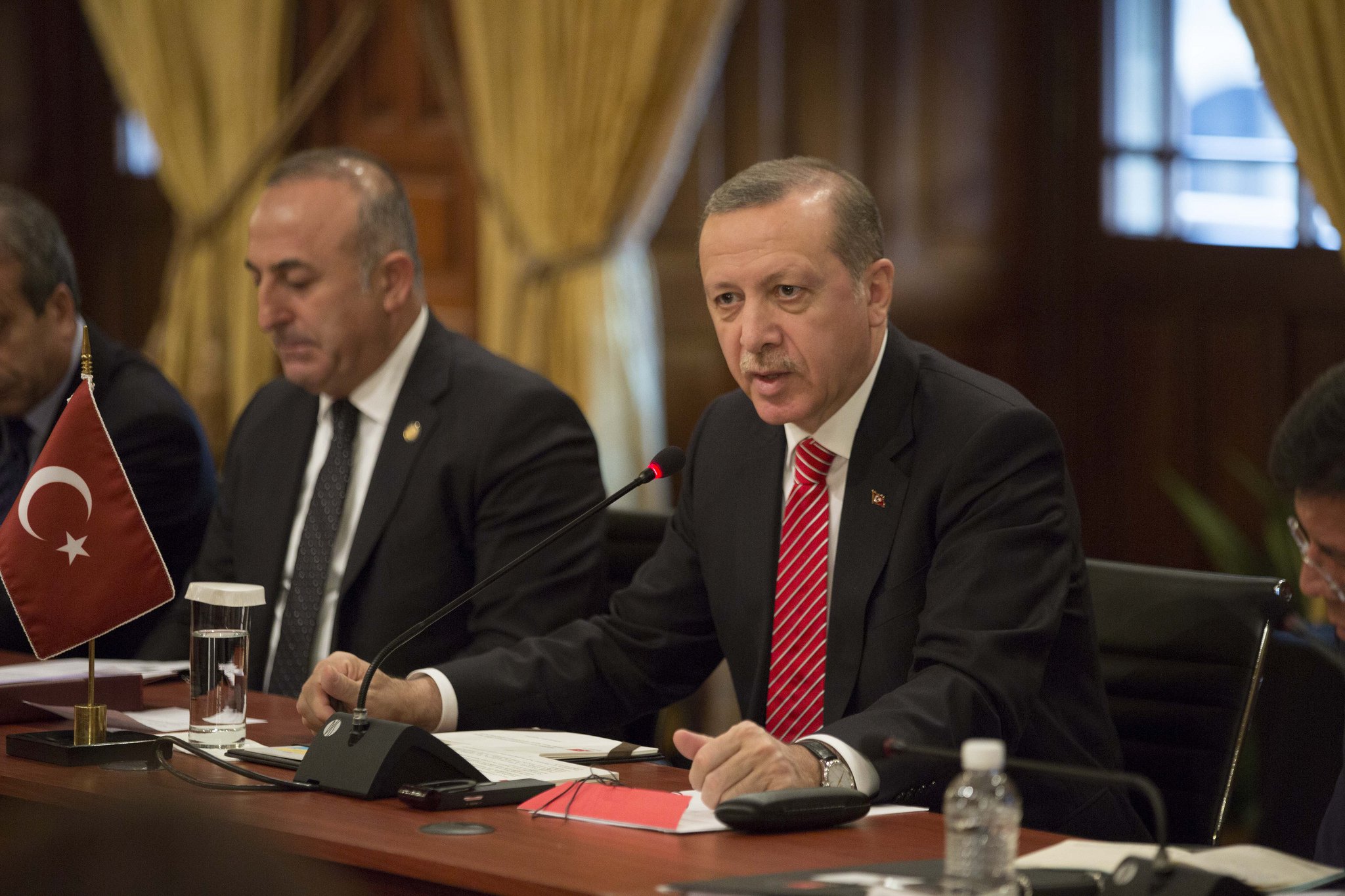
Pots and pans, whistles and hoots erupted in alleyways in Istanbul, the city where a majority of citizens voted 鈥淣o鈥� in Turkey鈥檚 referendum last week. Thousands crowded the streets and booed, cried, and yelled, 鈥淲e protest,鈥� numbing the air with the sound of their discontent: President Tayyip Erdogan claimed victory in the historic electoral exercise to expand the powers of his office.
For a leader of a republic who worked so hard to get the 鈥淵es鈥� vote, getting only 51 percent of votes is almost as bad as losing. Nonetheless, after a long campaign, he has finally achieved his long-sought goal to rewrite the constitution鈥攁 move that, as we鈥檙e already seeing, is dividing the country in two.聽
The regional鈥攐ngoing wars in Syria and Iraq that have triggered an overwhelming refugee influx to Turkey鈥攁nd internal鈥攖hreats of terrorism and economic collapse鈥攊nstability in the last few years has made Erdogan attractive to many in the country who are desperate for stability. This is why Erdogan鈥檚 tendency to call his opponents 鈥渢raitors鈥� and 鈥渢errorists鈥� worked so well for him, and brought him acceptance and even admiration from people willing, out of frustration and exhausted patience, to bestow their trust in him.聽
So when state-run media declared, prematurely, that Erdogan had won, his devotees were also out on the streets, celebrating. Men and children danced, while old ladies in scarves kissed Erdogan鈥檚 face on flags. But he understands this very well, that only half of the nation paved his way鈥攚ith a 鈥淵es鈥� vote鈥攖o the country鈥檚 first-ever executive presidency. Erdogan takes up the mantle of leadership in 2019, giving him two years to tighten his grip on power.
Erdogan kicked off the occasion with a speech, first carefully thanking the nation for coming out to vote鈥攁nd then immediately telling the citizenry that he wants to reinstate the death penalty. Talk of bringing back the death penalty鈥攚here prisons are already full, and cells often hold eight prisoners instead of three鈥攊mmediately throws students, teachers, doctors, academics, and journalists into a paralyzing state of anxiety. It also empowers the other half of the country, the half that feels righteous and full of contempt for those who voted 鈥淣o鈥濃�攖he 鈥渢raitors.鈥� 鈥淥ur time has come, we will crush them,鈥� Selim Atalay, 43, a shopkeeper in Istanbul and Erdogan supporter, told me.聽
All of a sudden, critics are rigid with fear. 鈥淎lthough we were never a truly democratic country, we were trying, and we had hope,鈥� said Ipek Ozel, a professor based in Istanbul. 鈥淣ow look at what has happened. How can a democratic country be allowed to change a constitution with only half the country saying 鈥淣o,鈥� with elected parliamentarians in prisons, [with] any opposition accused of being a terrorist?鈥�
The new constitution presents many problems for Erdogan鈥檚 critics, but the deepest source of agitation is that it鈥檚 tailor-made to complement Erdogan鈥檚 power grab.聽
Indeed, the most apparent takeaway from this referendum is a country that鈥檚 been cleaved down the center. Turkey has fallen into an abyss of mistrust, something I have witnessed on the streets many times: two people looking at each other with disgust in their eyes, as if they stood in front of an enemy neither understood.聽
Yet to understand where Turkey will move from here, it is important to know why the nation voted 鈥淵es鈥濃�攁nd it looks like fear was felt not only by those opposed to Erdogan. Many of those who voted 鈥淵es鈥� did so because they feared for their safety, feared having to navigate a crushing economy, feared their neighbours, colleagues, the media, the judicial system, the military, and their fellow countrymen who could harm them. In short, many 鈥淵es鈥� voters feared Erdogan himself. 鈥淗e will track down everyone who voted Hayir [鈥楴o鈥橾 and then they will suffer, so why not just vote 鈥淵es鈥� and get out of his way?鈥� many people told me
The 鈥淵es鈥� vote, at least to an extent, was also a fear vote.
Erdogan doesn鈥檛 seem to have a plan to tackle the many challenges awaiting him. The only statement given by his spokesman, Ibrahim Kalin, about rule by Erdogan is that 鈥渟table governments have been able to handle crises more effectively, implement structural reforms in due time, and render the investment climate more favorable by increasing predictability.鈥�
This sounds like nothing more than hot-air jargon.聽
Various regional and international crises demand that Erdogan stitch up his torn relationship with the West. To do this, he must correct his inglorious record of human rights abuse. He would also have to free journalists and parliamentarians who have been unjustly thrown in jail and stop vilifying his opponents. (On that note, he鈥檇 also have to make some weighty apologies.) The question, of course, is how much of this will he do.聽
Charisma and popularity might work in the present, but Erdogan also needs to consider his legacy, and the time to build鈥攁nd test鈥攖hat legacy begins now. What legacy does Erdogan want for himself? When history looks back at him, what will it see? The president who brought equality, justice, and international respect to Turkey鈥攁ll the things some of his supporters believe only he can do? Or will he be the president who excited a nation with pledges for peace while simultaneously carrying out a blood bath鈥攚hich describes the general unease of his opponents? If he carries out the same abuses as he has, especially over the past two years鈥攂ombing and imposing curfews on Kurdish regions and on southeastern Turkey, as well as imprisoning dissenting voices from any corner of the opposition鈥攈e will be forever etched into history as a loser鈥攁 powerful loser, but a loser nonetheless.聽
As Ipek put it to me, poetically, 鈥淲ho knows if he really won, or what it is he has won?鈥�
More 国产视频 the Authors
Related

Children Belong in School Learning, Not Left to Languish in ICE Detention

A National Review of Early Childhood Cost Models: Findings on Children with Disabilities and Developmental Delays

Gender Equity in High-Quality Youth Apprenticeship: A Deeper Dive into the PAYA Data
