
S. Melody Frierson
Chief of Staff, Executive Office
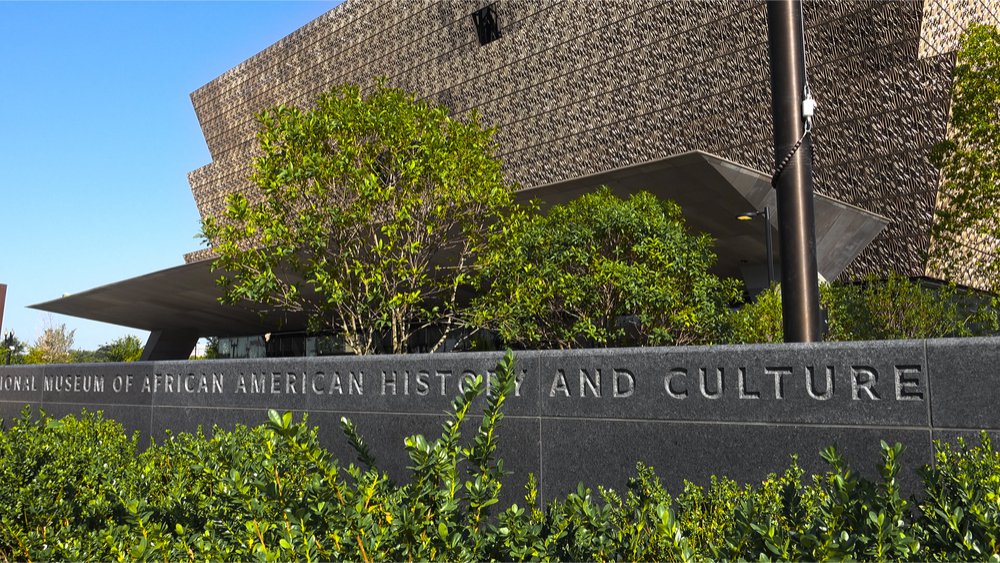
Earlier this fall, the Smithsonian鈥檚 National Museum of African American History and Culture (NMAAHC) hosted an event around journalist Ta-Nehisi Coates鈥� new book, . A collection of previously published Atlantic pieces, with new short essay introductions, the book quickly made its way onto my Amazon wishlist, nestled between a wireless printer and a 12-pack of pens.
Months before the event, I set several reminders on my phone, not only to make sure that I woke up early, but also to ensure that I had enough time to send up several small prayers鈥擨鈥檇 need a bit of luck to secure a ticket to the event via the NMAAHC鈥檚 website. Fortunately, unlike the many times before, luck I had: I snagged a ticket to hear Coates in conversation with former All Things Considered host (and the soundtrack to my NPR-fueled childhood car rides) Michele Norris.
The day of the event, I left my office early to make the 25-minute walk through the waves of D.C. tourists and to the museum. I had a three-hour wait鈥攖wo of those hours were spent queueing outside the museum, and the other inside the museum, where I quietly prayed, again, that the event would start on time. (It didn鈥檛.) As I waited, though, my thoughts bounced between the unserious鈥�Would I break the ancient wooden folding chair like the person three seats down from me had done the last time I attended an NMAAHC event?鈥攁nd the serious鈥�Coates鈥� work primarily focuses on the interior and historical lives of black men and often ignores black women, but would this time be different?
I鈥檝e grappled with that latter question a lot.
One time, in particular, I remember doing that kind of wrangling was last New Year鈥檚 Day. I was back home in Mississippi, on my bed, legs up the wall, finally making my way through Coates鈥� 2015 book of essays, Between the World and Me. I was disappointed, but not surprised, by how peripheral a role black women seemed to play in his unflinchingly honest love letter to his son. How could someone, I thought, who writes about the construction and realities of race and racism, systemic inequalities, mass incarceration, and the destruction of and terror inflicted on black bodies, not make mention of the black women on whose intellectual shoulders he stands? Why couldn鈥檛 he, in other words, say their names?
To be fair, Coates does include a 2008 profile of Michelle Obama in We Were Eight Years in Power, in an essay called 鈥�.鈥� (Coates admits, in the preface to the piece, that the title probably holds up better than the piece itself.) He recalls that the first time he saw Obama speak in person, he was taken back by how firmly she appeared to embrace 鈥渢he heroic American narrative of work ethic and family,鈥� as Coates puts it, and the 鈥渆ssential Americanness鈥� she projected. Coates wonders: Where was the South Side woman who minored in African-American studies and wrote a Garveyite-like 鈥渃all to arms鈥� for her Princeton thesis?
But while Coates makes a gauzy attempt to explain Obama鈥檚 embrace of a 鈥淗oratio Alger tale鈥� as her working to counter the 鈥淎ngry Black Woman鈥� narrative thrown at her, he simply doesn鈥檛 go far enough. In fact, he doesn鈥檛 really go at all. Instead, readers go on a tour of Chicago鈥檚 South Side, without truly examining the barriers and damning stereotypes black women face every day.
鈥淎merican Girl鈥� was a missed opportunity. It could have been a powerful look at the 鈥溾�� black women have been forced into鈥攖he ways in which 鈥渂lack women tilt and bend themselves to fit the distortion鈥� of the 鈥渨arped images of their humanity鈥� they鈥檙e bombarded with. Political scientist and former MSNBC host Melissa Harris-Perry, whom Coates once referred to as 鈥�,鈥� developed the 鈥渃rooked room鈥� frame in her must-read book, . What does it mean that Obama chose to wax nostalgic about the 鈥渃ocoon that surrounded [her] in her formative years,鈥� while she was standing in a crooked room that told her that she鈥檚 angry, unladylike, and undesirable?
This was one of many questions I had while I read We Were Eight Years in Power, but it鈥檚 a question that went unanswered, because Coates, regrettably, never sought to ask it.
Back at the NMAAHC that warm October evening, Michele Norris asked Coates to name his intellectual heroes and favorite writers. After spending some time talking about his deep admiration for F. Scott Fitzgerald鈥檚 The Great Gatsby, Coates rattled off a list of four or five other authors鈥攁ll white men, with the exception of one white woman. Norris challenged Coates on this: Where are the black women? After a long, uncomfortable pause, he mentioned the historian Thavolia Glymph, and then, inexplicably, declared that he鈥檚 not an 鈥渁ctivist.鈥�
Coates is hardly the only public intellectual or culture critic seemingly unable to recognize鈥攍et alone put into words鈥攖he work of black women. And, I don鈥檛 doubt that he cares, deeply, about black women and girls. In 2016, for instance, Coates wrote a about singer (and activist) Nina Simone鈥攁bout the challenges she faced both in life and in death, in no small part because of her black womanhood. These sorts of reflections, however, often appear to be more reactive to particular cultural conversations, than indelible components of Coates鈥� intellectual investigations. I鈥檓 sick of being forgotten and erased. I鈥檓 tired of being a second thought. Or, as my home state hero Fannie Lou Hamer once said, 鈥淚鈥檓 sick and tired of being sick and tired.鈥�
Chief of Staff, Executive Office


