
Ireland Doubles Down on Diplomacy
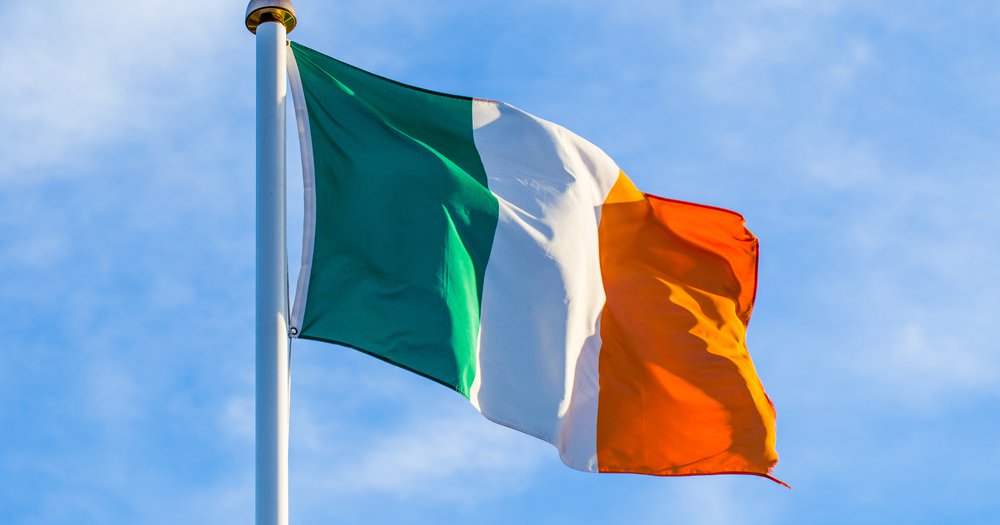
While Leo Varadkar鈥攖he Taoiseach, or prime minister, of Ireland鈥斅爎ecently that it鈥檚 鈥渢oo early鈥� to diagnose the progress of looming Brexit negotiations, the country is already making plans to plow ahead on another front: doubling its international diplomatic presence. Varadkar a letter to Foreign Affairs Minister Simon Coveney last month, asking him to 鈥渄ouble our [Ireland鈥檚] global footprint by 2025,鈥� according to the Sunday Independent.
With the exit of Britain, one of Ireland鈥檚 biggest trading partners, from the European Union, the small Catholic nation is eager to take on a new, central role within Europe and to bolster against any coming chaos. One way to do this: by ramping up the number of embassies abroad.
Embassies cost the country 鈧�95 million, according to the Independent鈥檚 report, with the most expensive office being the London embassy, costing some 鈧�6 million annually.
鈥淭his forms part of the response to Brexit but is also a key element of the Taoiseach鈥檚 vision for Ireland as a country at the center of the world and a country which maximises its impact globally,鈥� a senior government source told the Independent.
As Britain prepares to leave the political bloc, the consequences remain ambiguous for Ireland. Varadkar has been under fire by some for his in late July, in which he said that it鈥檚 Britain鈥檚 responsibility to devise a border solution between the two countries.
Amid all of the political uncertainty hovering over Europe is a key question: Is Ireland鈥檚 maneuver to double down on its diplomacy truly a prudent move?
I鈥檇 argue that there鈥檚 room for judicious optimism, given that such a large investment is a positive indicator of the health of the Irish economy, and in light of the large cuts to government spending Ireland made during its recovery from the harsh economic downturn it suffered in the past decade. In 2010, Ireland accepted a 鈧�67.5 billion loan from EU member states to avoid economic collapse, following the bursting of the Irish property bubble and the attendant banking crisis.
Or as Varadkar put it: 鈥淚t is clear that there is a new self-confidence in Ireland, as an island at the centre of the world. That national self-confidence requires that we always be ambitious, visible and active in promoting the interests of our nation on the international stage.鈥�
A recent 鈥渉ealth check鈥� by Goodbody Stockbrokers, an Irish stockbroking firm, predicts that Ireland will full employment by the end of next year. This is a stark difference from even five years ago, when unemployment rates in the country at 15.1 percent.
Moreover, Ireland鈥檚 foreign direct investment has played a large role in increasing the country鈥檚 vital statistics, effectively rekindling the Irish economy post-crash and before domestic sources of growth stabilized. In addition, the fact that both the United States and the United Kingdom have become increasingly crucial trading partners also has contributed to Ireland鈥檚 recovery.
Still, what are the risks associated with Ireland鈥檚 diplomatic jockeying?
Some economists worry that the Irish economy is highly exposed, having increased its exports along with foreign investment to regain its footing. The economy may be overly vulnerable to the mercurial winds of the international marketplace, even as its own domestic economy grows.
鈥淲e are more exposed than before to the world economy falling into another financial crisis originating from commodities and emerging countries鈥� or if Brexit is hard and so on,鈥� wrote University College Dublin Professor of Economics Patrick Paul Walsh in an email.聽
He added: 鈥淏efore, if the world sneezed, Ireland got a cold. Today, if the world sneezes, we will get pneumonia.鈥�
The prime minister鈥檚 latest move does admittedly break precedent with the fiscal conservatism that previous leaders have applied toward government spending during the post-downturn period. Even so, this could very well be a fast attempt to mitigate the potential losses that might be sustained if the Brexit deal is harsher than Ireland hopes for, or anticipates.
The Independent鈥檚 report additionally mentions that Varadkar will write to the Tanaiste, or the country鈥檚 deputy prime minister, and to the Minister for Business, Enterprise and Innovation Frances Fitzgerald; the Minister for Agriculture, Food, and the Marine Michael Creed; and the Minister for Transport, Tourism and Sport Shane Ross, to ask for their involvement in the country鈥檚 new international push, presumably to coordinate within and across industries.
As Ireland continues to re-assess its economic relationship with the United Kingdom, and as 鈥淎merica First鈥� isolationism becomes a rallying cry to bring jobs back home from across the Atlantic, Ireland鈥檚 diplomatic expansion is a natural response. The next few years, though, will show what Ireland鈥檚 saving grace looks like, as it welcomes in new trading partners.
More 国产视频 the Authors
Related

Prenatal Connection to Early Intervention: A Snapshot of Current and Future State

Engagement in a Civic Education Desert

Built to Last: How Leaders Are Creating Sustainable Early Childhood Funding
