Anne Hyslop
Policy Analyst, Education Policy Program
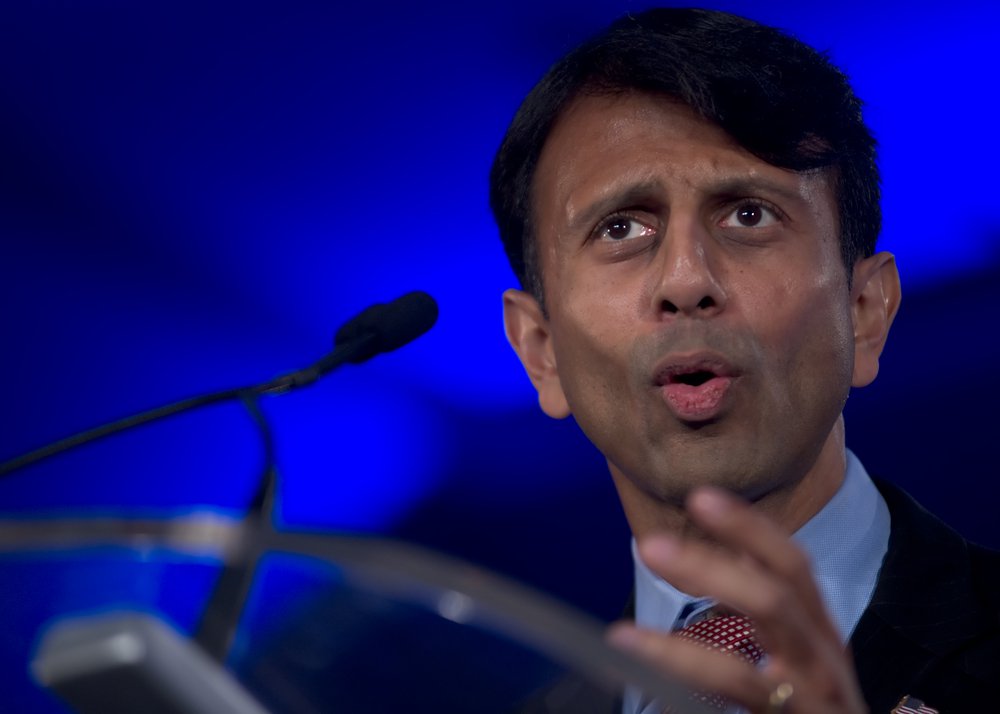
Louisiana鈥檚 Republican Gov. Bobby Jindal is waging a lonely crusade to rid the Pelican State of the Common Core State Standards. The Louisiana state legislature the standards and has to undermine them. The state Board of Education backs the standards. And perhaps most importantly, the state鈥檚 Education Superintendent, John White, has repeatedly and with Jindal over the governor鈥檚 聽antagonism toward them.
But Jindal, unrelenting, a five-point plan yesterday to his state from the Common Core and the tests being developed by the Partnership for the Assessment of Readiness for College and Careers (PARCC), citing conflicts between the process PARCC has used to develop the test and state procurement law. To be fair, Jindal technically from Louisiana, as if it were . But most of Jindal鈥檚 objections appear to stem from not from the quality of the standards or tests or from the bidding process, but from. While he remained noncommittal on the standards as recently as , Jindal now believes that the effort is led not from the state governors and schools鈥� chiefs who developed the standards. For the record, was part of those conversations and helped bring Louisiana on board.
I鈥檓 not a lawyer, so I have no idea whether Jindal can suspend a rule adopted by the state Board of Education, or whether he can to use test items from PARCC. But it is worth noting: Jindal wasn鈥檛 the only state official involved in signing the Pelican State up for the Common Core.
The former State Superintendent of Education, Paul Pastorek, also signed the 2009 with the National Governors Association and Council of Chief State School Officers to join the Common Core State Standards Initiative. Then, to seal the deal, the Board formally adopted the standards in July 2010. And when it comes to PARCC, the Memorandum of Understanding between Louisiana and the consortium (from June 2010) was also by Jindal, Pastorek, and the state Board Chairman. Put another way, Jindal didn鈥檛 make the decision unilaterally to join the Common Core鈥攕o can he unilaterally revoke it?
Jindal didn鈥檛 make the decision unilaterally to join the Common Core鈥攕o can he unilaterally revoke it?
That is the dilemma. And it makes Louisiana from other states that have dropped the common standards. legislature, governor, and state board were all for the move to go their own way. The decision to develop uniquely-Hoosier standards and tests wasn鈥檛 made by one state official, but rather, a group of them. The same is true in and .
But that isn鈥檛 the case in Louisiana. Just see the to Jindal鈥檚 plan from current Board Chairman Chas Roemer: 鈥淭his is a political maneuver. [Jindal鈥檚] politics are national in scope and focused on a very particular portion of the vote. There is no other way to explain a 180-degree turn from a plan that started in 2004.鈥� White鈥檚 is even more direct: 鈥淲e are not willing to subject our children to last-minute changes to throw our system into educational chaos.鈥�
All of this makes for great political drama鈥� among the GOP in the wake of Eric Cantor鈥檚 tea party-takedown, a jockeying for position with all the zeal of an Obamacore convert (remember who else ), and feisty rhetoric on all sides. And even U.S. Secretary of Education Arne Duncan has weighed in, telling , 鈥淕overnor Jindal was a passionate supporter before he was against it. That situation is about politics, it鈥檚 not about education.鈥� In fact, Duncan鈥檚 comments may have Jindal to action, seizing an opportunity to prove his conservative cred and pit himself even more strongly against the administration.
But drama aside, isn鈥檛 this just a case of flash without substance? Of politics, without any real policy changes? Although the must be considered and could in Louisiana, the state Department of Education Common Core implementation. And more important, after years of planning and training, will schools and teachers to ? Despite Jindal鈥檚 executive orders, it鈥檚 unclear what has actually changed for Louisiana schools, teachers, and students.
Moreover, Louisiana received in Race to the Top funding from the U.S. Department of Education. While not as large a grant as earlier states, some of that money could be in jeopardy if the state cannot deliver on all of the promises it made, including those related to implementing the Common Core. And the states鈥� federal waiver from No Child Left Behind is also contingent on Louisiana implementing by the spring of 2014 and new assessments by the spring of 2015. These new standards and tests don鈥檛 have to be aligned to the Common Core, but the state can鈥檛 just go back to the way things were before, either.
These new standards and tests don鈥檛 have to be aligned to the Common Core, but the state can鈥檛 just go back to the way things were before, either.
In other words, the posturing in Louisiana will be all about politics鈥攗ntil the policy has to change. With White and Roemer standing firm, Jindal can continue to rail against the Common Core, and look toward 2016, without having to be for something else specifically. But if Jindal gets his way, over the objections of White and the Board, politics should be the least of Louisiana鈥檚 concerns. How would the state produce new standards so quickly? How would educators receive the training, materials, and support they need to teach those standards? And with such an expedited timeline, could the state procure new assessments that were high quality and aligned to the standards in time? If not, would they lose their Race to the Top dollars, or their NCLB waiver? These policy questions matter鈥攁nd they particularly matter for districts, educators, and students.
Scrapping the Common Core or the consortia tests in Louisiana without a Plan B鈥攚ithout a real policy alternative鈥攔eady to go is reckless. Just look at the chaos unfolding in . It may not wreck Governor Jindal鈥檚 political career. But it could quickly wreck years of careful planning and hard work to improve student outcomes across the Pelican State. And that would be a very high price to pay just to make a political statement.
This post appeared first on聽.
Policy Analyst, Education Policy Program