Danielle Kehl
Fellow, Open Technology Institute
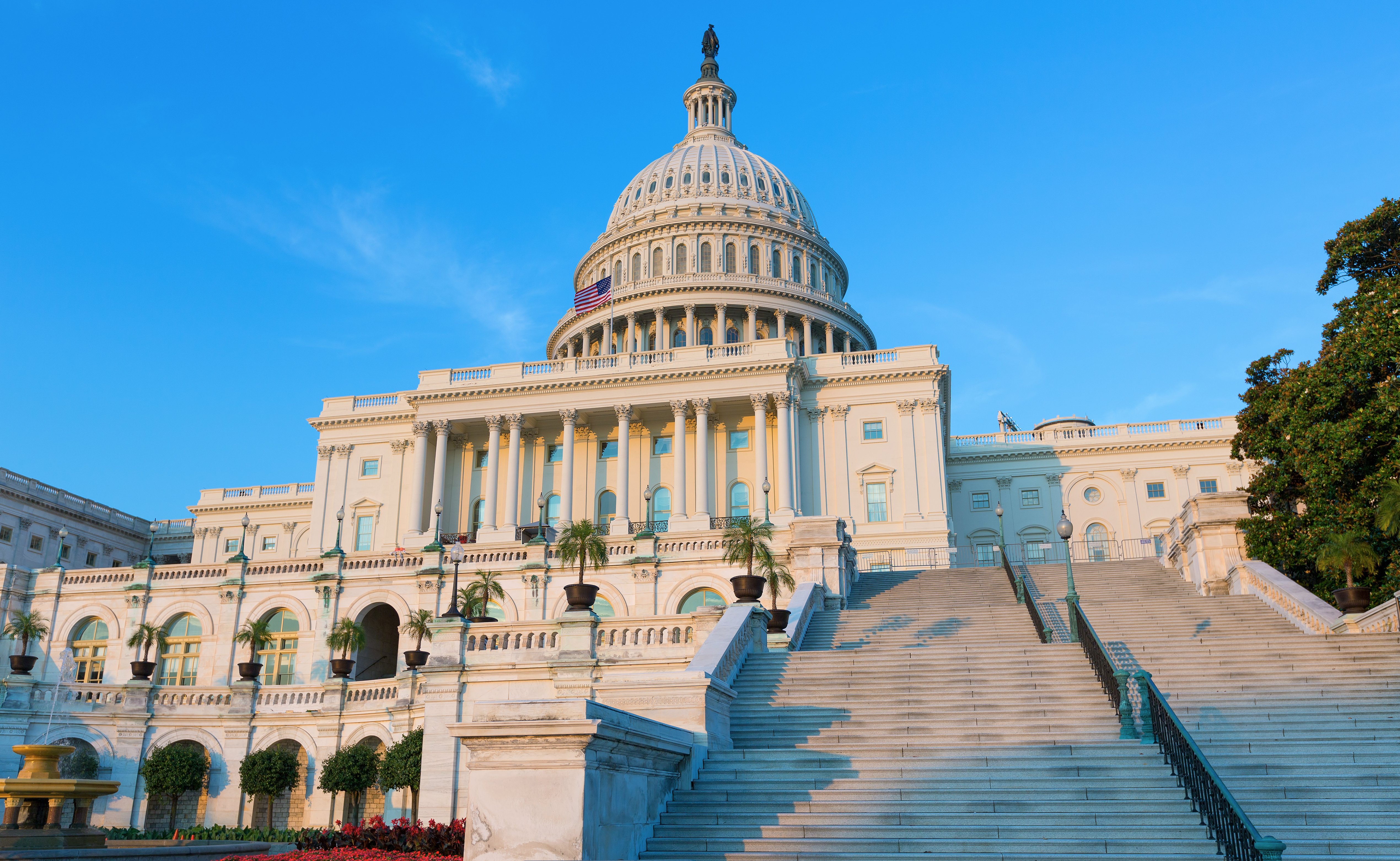
It seems like Congress is starting to warm up to the idea of relinquishing U.S. oversight of the . And they鈥檙e asking more constructive questions, too: namely, how to keep the (ICANN) accountable once the U.S. government鈥檚 role in overseeing the IANA functions is eliminated.
Last week, I before the House Energy and Commerce Committee鈥檚 Communications and Technology Subcommittee on the IANA transition, which is the that鈥檚 been underway for over a year to give up the last vestige of U.S. government oversight over the Internet鈥檚 core infrastructure. (You can read my , my , or .) I was joined by an impressive group of expert witnesses: Steve DelBianco, the Executive Director of NetChoice, who has deep expertise on ICANN-related issues and has multiple times on the subject; Matthew Shears, the Director of the Global Internet Policy and Human Rights Project at the Center for Democracy & Technology and an of both the IANA transition and ICANN accountability working groups; Audrey Plonk, the Global Cybersecurity and Internet Governance Policy Director at Intel, who the industry perspective on the transition; and Brett Schaefer, a Senior Research Fellow from the Heritage Foundation who has written extensively about the timing of the transition and the .
Overall, the was considerably improved over a year ago, when Congress first began about the National Telecommunications and Information Administration鈥檚 to let the IANA functions contract expire and hand oversight of ICANN and the Internet鈥檚 Domain Name System (DNS) over to the global multistakeholder community. At that time, while most of the Internet policy community was celebrating the long overdue transfer 鈥� including , , and the 鈥� Congress appeared toward the decision to give up what some referred to as U.S. 鈥渃ontrol鈥� over the DNS. Members even introduced a number of bills in the House that would stop or delay the IANA transition, including the DOTCOM Act, which was also the part of the discussion during our panel.
Last week鈥檚 hearing, however, demonstrated that we鈥檝e made significant progress in the past year. While there鈥檚 clearly still some skepticism on the part of Congress about the transition, members had generally shifted their focus onto questions about how to get it right, rather than how to stop it from happening altogether. And that鈥檚 largely due to the fact that the process of developing transitions plans for oversight of the , , and (which, all together, the 鈥淚ANA functions鈥�) and 鈥� although complex 鈥� is proceeding fairly well. At multiple times during the hearing, panelists and members of Congress acknowledged that the community has really 鈥渟tepped up鈥� and 鈥渞isen to the challenge鈥� of finding an alternative governance system that both satisfies the U.S. government鈥檚 criteria and is acceptable to the multistakeholder community.
The biggest unresolved questions right now are about ICANN accountability and what safeguards need to be put in place to ensure that the global Internet community can correct any misuses or abuses of ICANN鈥檚 power once the 鈥渂ackstop鈥� role played by NTIA is gone. That鈥檚 why we dove deep into the weeds discussing the contents of draft document by the ICANN Accountability working group (all of it!) and the mechanics of proposals that would empower the community to reign in ICANN now and in the future. Which of ICANN鈥檚 bylaws should be 鈥渇undamental鈥� bylaws that are harder for the ICANN board to change? How can the global community have the power to approve or veto decisions the board makes 鈥� and recall some or all of the board members in the event that the corporation goes 鈥渙ff the rails鈥�? What does a strengthened Independent Review Process within ICANN look like, and why does that matter? These are the questions that dominated the discussion at the hearing, and are sure to occupy center stage as the global multistakeholder community continues to review and refine these proposals in the coming months. And they鈥檙e especially important given that ICANN officials may be attempting to interfere with the process behind the scenes. We only have one opportunity for the IANA transition 鈥� which is why it鈥檚 critical that the accountability measures create an appropriate number of checks and balances on ICANN鈥檚 power.
Meanwhile, on Wednesday morning in the House Judiciary Committee鈥檚 Subcommittee on Courts, Intellectual Property, and the Internet 鈥� whose panelists primarily represented intellectual property interests 鈥� was of the transition. But in both cases, the focus was clearly on how to improve accountability and responsiveness at ICANN, and there was a substantial amount of optimism that the reforms currently being discussed by the accountability working group could effectively address both current challenges and future hurdles.
To be sure, there鈥檚 a lot riding on the process, as David Post and I explain in a about the IANA transition and why it matters for the future of the Internet. If the transition is successful, hardly anyone will notice (and, when it comes to the DNS, that鈥檚 a good thing). But if it goes badly, the consequences for the global Internet could be severe. That鈥檚 why we鈥檒l be paying close attention to the ICANN accountability process and weighing in on what we think the details of those reforms should look like in order to protect the stability of this critical Internet infrastructure.
For additional takeaways from the hearing, see this from CDT’s Matthew Shears.
Fellow, Open Technology Institute