Lindsey Phillips
Senior Policy Manager, Postsecondary Pathways for Youth
How governors can use WIOA reserve funds to strengthen career pathways.
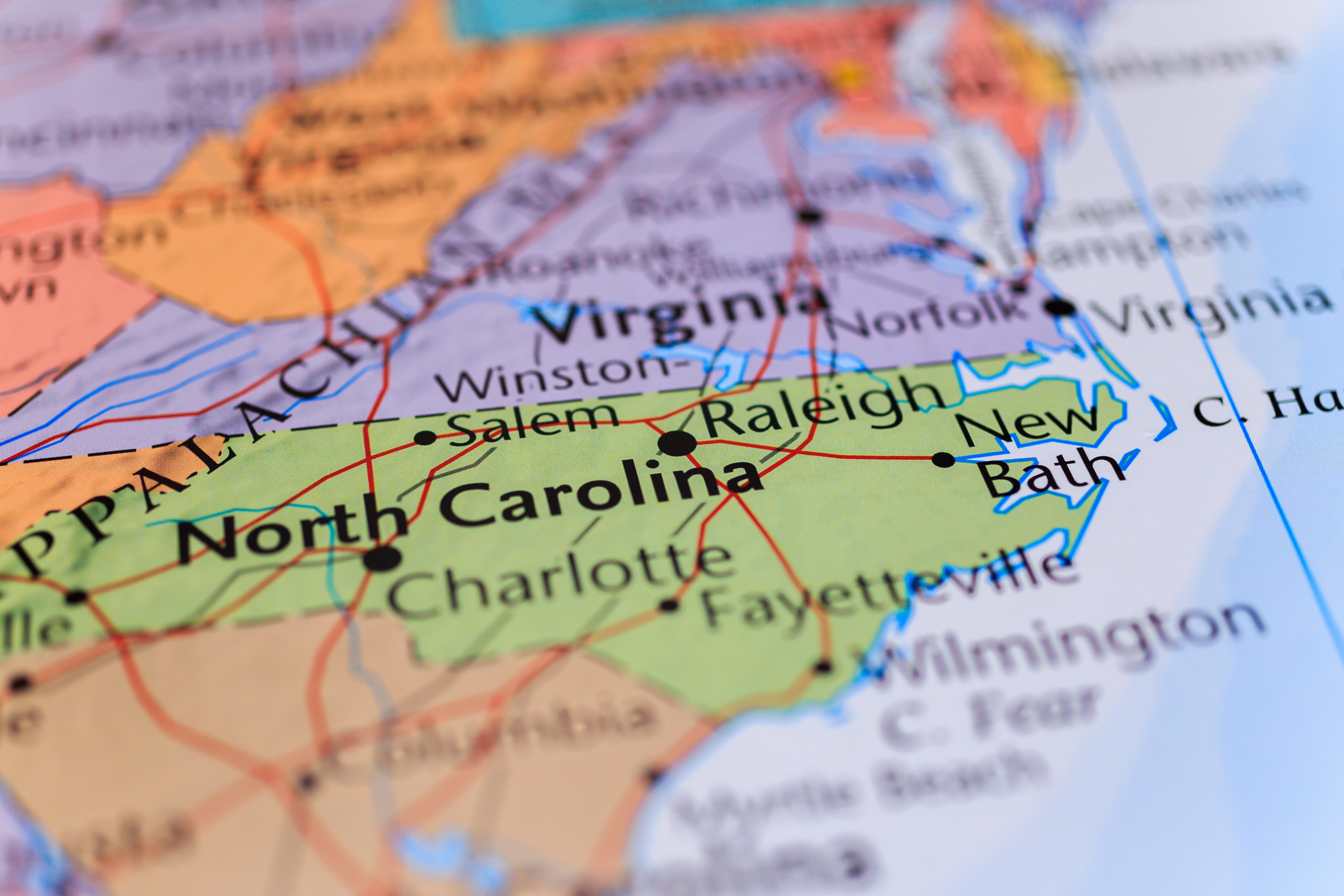
Earlier this month, Governor Josh Stein that he will dedicate discretionary funds under the Workforce Innovation and Opportunity Act (WIOA) to scale registered youth pre-apprenticeships in high-demand sectors. Specifically, the funding will go to support , which is North Carolina鈥檚 Youth Apprenticeship System led by the Office of the Governor and the NC Business Committee for Education. NC Career Launch works in close partnership with workforce boards, community colleges, , and the North Carolina Department of Public Instruction (NCDPI) to increase credential attainment through registered pre-apprenticeships. Stein鈥檚 decision illustrates how governors can for workforce development鈥攚ith youth apprenticeship as a central strategy.
Discretionary dollars, also known as reserve funds, are 15 percent of a state鈥檚 overall WIOA allocation that governors can direct toward their highest workforce development priorities. Similar flexibilities exist in other federal funding streams, such as (Perkins V). The funds are designed to provide flexibility for states to incubate new ideas and implement promising initiatives.
Despite the intent, evidence shows they鈥檙e not always being used this way. In a , governors鈥� advisors across 34 states were interviewed to learn more about how they were leveraging WIOA to advance their workforce development priorities. When asked specifically about how they were using reserve funds, two-thirds used at least part of the funds to backfill administrative or operational costs. Fifty-four percent did say they used reserve funds to seed innovation. But even so, most of them spread the funds across multiple initiatives and programs, with apprenticeship often competing with other priorities.
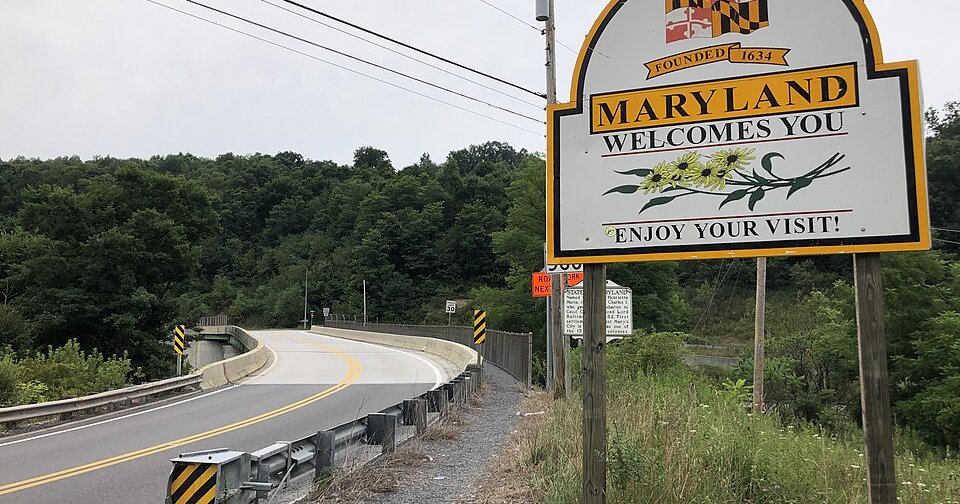
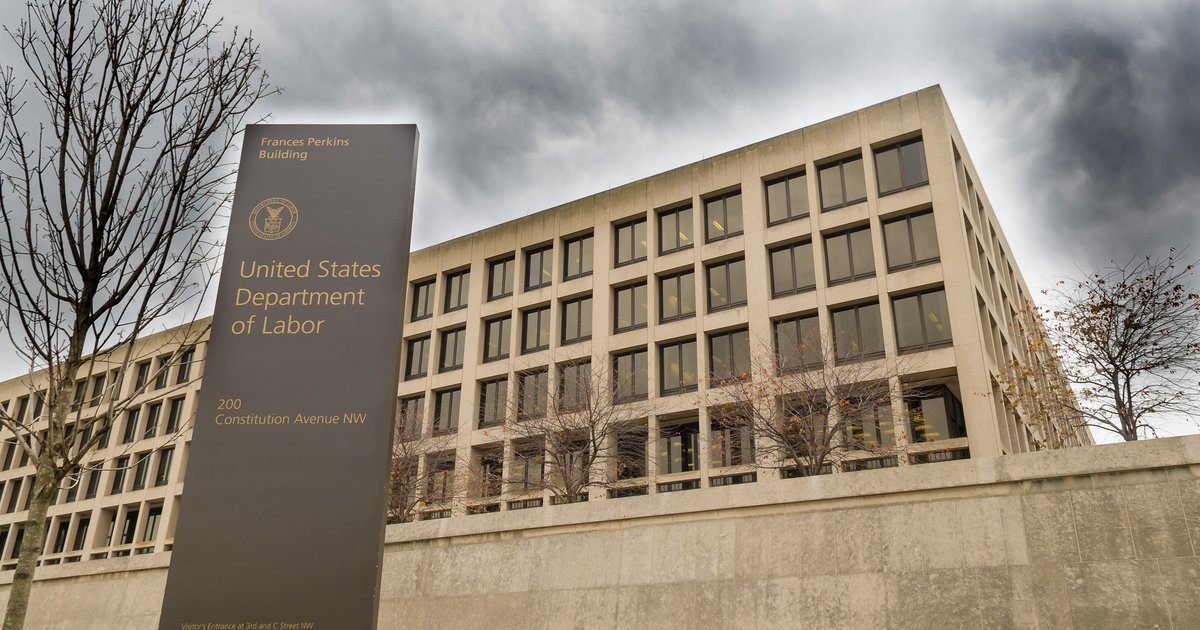
Maryland offers one example of how states spread reserve dollars across priorities. In 2018, the Maryland Department of Labor using WIOA reserve funds. Local workforce boards could apply for up to $250,000 to develop innovative projects, with registered apprenticeship or pre-apprenticeship being one of several eligible concepts. In 2022, the state identified to fund. Though three of the projects targeted youth apprenticeship, the bulk of the funds went to other high-priority efforts. Nonetheless, Maryland has sustained strong support for apprenticeship through other funding streams, including the most recent that serves as an exemplar for pay-for-performance apprenticeship models.
Michigan鈥檚 Governor Whitmer has taken a similar diversified approach to allocating reserve funds. In performance year 2023, the Michigan Department of Labor and Economic Opportunity to support more than 10 initiatives aligned with the statewide workforce plan. These included developing a registered apprenticeship dashboard, expanding registered youth apprentices, and providing supportive services to unemployed and underemployed workers in new registered apprenticeships, among other high-priorities.
Governor Greg Abbott in Texas leverages Wagner-Peyser 7(b) funds鈥攚hich is a slightly different pot of reserve dollars under the WIOA umbrella鈥攖o administer the annual grant program, facilitated by the Texas Workforce Investment Council. The program funds exemplary workforce training projects, innovative approaches to the delivery of workforce services, and workforce programs that support vulnerable populations. In 2025, Governor Abbott to 22 communities. While several grantees emphasized youth apprenticeship and apprenticeship, the funds were distributed across a range of innovative concepts.
Governor Stein appears to be 鈥渁ll in鈥� on one initiative: high school youth apprenticeship. Although concentrating reserve funds in one area may seem risky, state leaders in North Carolina recognize the move as a strategic investment aligned with a broader workforce development agenda.
In 2025, Governor Stein established the Governor's Council on Workforce and Apprenticeships, which approved and designated responsible entities for each. These goals include increasing the number of young people attaining credentials of value, doubling the state鈥檚 number of registered apprentices, doubling the number of high school students participating in work-based learning, and increasing employer engagement. There is much momentum building across the state to make progress toward these goals. Just before the governor鈥檚 announcement about WIOA reserve funds, that credential attainment among high school career and technical education (CTE) students has reached an all-time high and the state now ranks second in the nation for CTE participation. The governor鈥檚 timely investment of WIOA reserve funds underscores that youth apprenticeship is yet another strategy to amplify the momentum already in motion across the state.
Through intentional alignment of reserve funds with a clearly defined statewide strategy, North Carolina is demonstrating how governors can use WIOA not just to administer programs, but to drive their workforce agenda. In doing so, the state offers a compelling model for others seeking to leverage federal funding flexibility to expand youth apprenticeships and strengthen career pathways.
Senior Policy Manager, Postsecondary Pathways for Youth