Jasmine Heyward
Entertainment Initiative Senior Associate, Better Life Lab
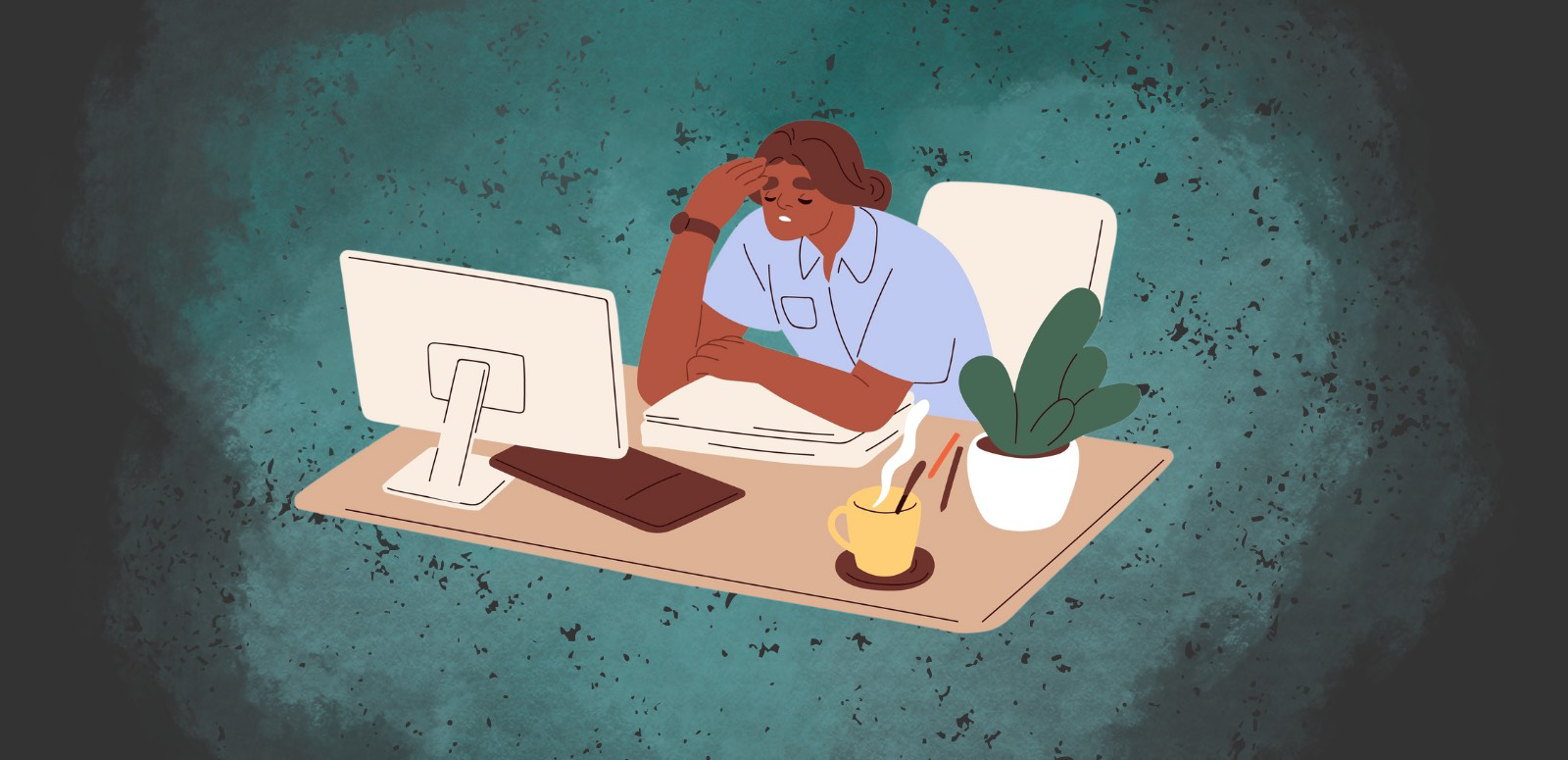
A record-hot summer is , and election season in the United States is already well underway, where the stakes for our democracy are high. With eroding civil rights at home, and atrocities taking place abroad, keeping up with current events for many. Americans are already , yet many of us are still committed to pushing hard for positive social change. I find myself searching for ways to continue fighting for social justice while also protecting my energy and mental well-being.
Whether you operate inside existing systems to affect change or present your views loudly through your work or on social media, it鈥檚 easy to burn out. This can lead to long-term mental health challenges, especially for people who consider their social change or advocacy work a big part of their identity and purpose. A found that in my age group鈥擥en Z young adults鈥�58 percent of survey respondents reported experiencing little or no 鈥減urpose or meaning鈥� in life in the previous month. Across other generations, we find that adults鈥� satisfaction with both their personal lives and the state of the country , and trust in , , and is also waning. The Harvard study notes that many young adults find purpose in social-change work, where they can help address urgent issues facing our country. Still, there are mental health risks attached to finding purpose solely through working to move colossal systems.
Since moving to DC at the beginning of the year, I鈥檝e spent a lot of time reflecting on the 鈥渂est鈥� ways to advocate for macro-level change without pushing myself until I break. In a recent conversation with a policy advocate, he suggested evaluating what you, personally, can achieve in different settings. He finds it frustrating to work inside massive organizations at times, but given his background and skillset, he was confident that he could accomplish more there than he could by making public statements on his own. For others, making public statements may be more powerful, and this is admittedly the side I have more experience with. When the world feels like it鈥檚 falling apart, it鈥檚 easy to feel like you should be doing everything you can to fix it, in both personal and professional settings. But it鈥檚 impossible to engage fully on every social justice issue. This requires each of us to optimize and prioritize: Where might we apply our unique skills and perspective to do something meaningful?
In recent months, many social movements have emphasized bearing witness to world events through social media. Citizen journalism and the reach of online content platforms like YouTube provide an unprecedented opportunity to broaden our understanding of complex issues and the role of our government. This can be especially important for Americans, who often don't see the consequences of our foreign policy on our shores. (I was struck by this while traveling in Romania in March 2022鈥攚hile Poland took in more Ukrainian refugees, significant changes to Romania鈥檚 transportation infrastructure were visible at every major hub as NGOs and local governments partnered to better support Ukrainian refugees entering the country.) However, 鈥渂earing witness鈥� in some cases has become 鈥渨atching an ethnic cleansing streamed live on social media,鈥� and we need to be mindful of the mental health effects here, too.
While social media is an excellent tool to build understanding and momentum in social movements, overexposure to media with themes of violence and trauma can have . Even mental health professionals鈥攚ho are trained to bear witness to other people's traumas鈥攕till often go to therapy themselves to talk about . As consumers of Instagram stories and social media posts from the people most impacted by global injustices, we are taking it all in, with few opportunities to make a meaningful difference in these people鈥檚 lives. While vicarious trauma usually doesn鈥檛 meet the criteria for post-traumatic stress disorder (PTSD) unless listening to these stories is a part of one鈥檚 full-time job, learned helplessness is a key component of complex trauma, which occurs when people are regularly exposed to traumatic events over time and unable to escape the situation. Over time, as you are continually confronted with terrible situations you can鈥檛 change, you can accept that it鈥檚 impossible to make life better for yourself or anyone else. Despite not having , which is caused by long-lasting trauma, some may pop up, including difficulties regulating distress, maintaining close relationships, and making decisions under pressure.
With no end in sight to tragedies in Gaza, Ukraine, Sudan, at the U.S./Mexico border, and elsewhere, along with a presidential election on the horizon, here are my recommendations for maintaining your mental well-being over the coming months:
1. Figure out what you can do to make a difference with your specific skills, resources, and connections. We all have different knowledge and skill sets based on our work, hobbies, and life experiences. I am a writer and a storyteller, so I often write social media posts about the intersection of mental health issues and politics on a whim. Occasionally, I鈥檓 asked to expand my hot-take posts into full pieces, leading to policy-focused essays. Meanwhile, one of my friends is an experienced protestor who regularly helps coordinate events. Some people read books and educate people in their community; others are skilled at bringing social change discussions into contexts where they are uncommon without seeming pushy and annoying. If you鈥檙e in a job where organizing, advocacy, or direct service is inherent, bringing your full self into work each day is doing something on its own. Whatever is best for you, identifying that specialty and spending the majority of your energy there ensures that everyone鈥檚 contributions are optimized to create the greatest change.
2. Update your list of 鈥渄istress tolerance鈥� activities. These are activities that can help you regulate your emotions and calm you down when you鈥檙e feeling upset or destabilized. These could include classic recommendations like or turning to a hobby that you find calming like drawing or listening to a specific album. I recommend keeping this list handy as a note on your phone if you don鈥檛 already have one, as when you鈥檙e in distress, it can be difficult to recall all of your potential options. The list should focus on ways to calm down when you鈥檙e too upset to address a problem or stressor with a 鈥�.鈥� Activities solely meant to distract are fair game as long as you are diligent about returning to the problem once you鈥檙e no longer experiencing distress. is color-coded: green for things I could do in a public bathroom stall as long as I have my phone, orange for things I could do anywhere with the necessary supplies and some privacy, and pink for things that require me to be home. Mental Health America has a , though I鈥檇 recommend against including problem-solving activities on a distress tolerance list. Save that for when you鈥檙e feeling more grounded and in control!
3. Be intentional about community. I don鈥檛 include reaching out to friends on my distress tolerance list, as I prefer not to include items that rely on the availability of other people, but community is an essential part of maintaining your mental health. To reference one of my favorite quotes:
鈥淵ou鈥檒l need coffee shops and sunsets and road trips. Airplanes and passports and new songs and old songs, but people more than anything else. You will need other people and you will need to be that other person to someone else, a living breathing screaming invitation to believe better things.鈥�
鈥擩amie Tworkowski,
Whether it鈥檚 friends, family, coworkers, or like-minded people online, engaging with others is immensely valuable, and it鈥檚 important not to lose that. Also, as Mental Health America notes on their list, 鈥溾�濃�攐r non-emergency peer support lines鈥攃an be a great resource if you need to talk, but can鈥檛 or don鈥檛 want to reach out to someone you know. Unlike a 鈥渟uicide hotline鈥� such as , which operates on the assumption that you are in an immediate crisis involving a risk to your safety, a warmline will connect you to a trained specialist who can be a listening ear and provide support in hard times.
It鈥檒l likely be a long summer and year ahead, but we can鈥檛 do our best work caring or advocating for others if we鈥檙e not taking care of ourselves. And you deserve to be healthy and cared for, even when terrible things are happening in the world.
Entertainment Initiative Senior Associate, Better Life Lab