
The Most Important Thing We Can Do to Prepare for Weather Extremes
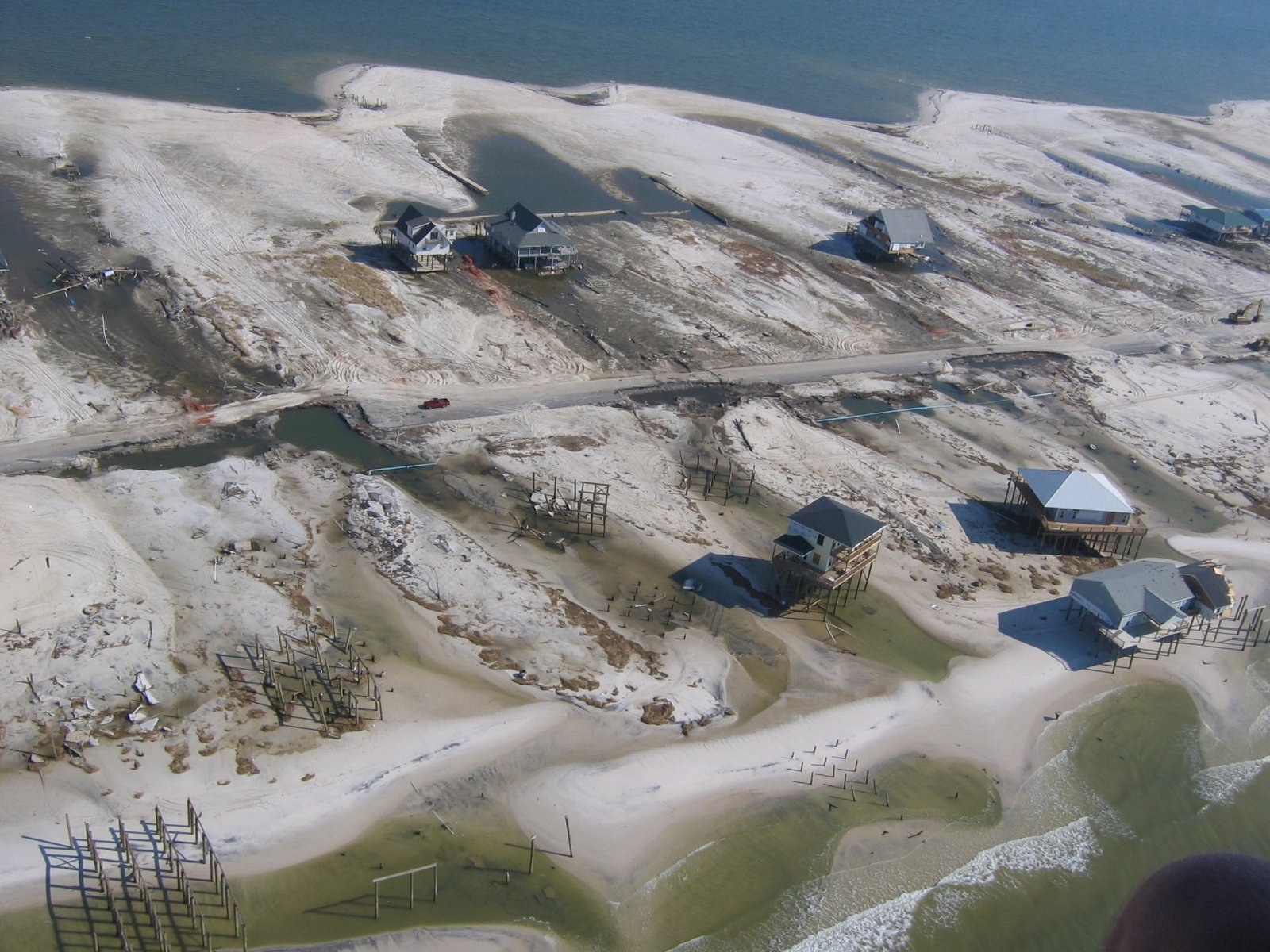
Over the span of just weeks, two of the nation鈥檚 most population-dense regions began a long and difficult road to recovery. Houstonians have already launched their extensive process of rebuilding after Hurricane Harvey, and Floridians are just starting to return home to assess the devastation wrought by Hurricane Irma. In the same period, wildfires continued to scorch the Western United States, Mexico鈥檚 most powerful earthquake in a century struck just off its southern coast, and monsoons persisted in their deadly deluge of parts of northern India. As we seek the best way to offer assistance, we鈥檙e also considering how we can prevent suffering and loss from natural disasters like these in the future.听
To get at an answer, we need to be honest about the problem. Environmental activists typically argue that events like Harvey and Irma should frighten us into redoubling our听听听鈥攖aking steps to reduce greenhouse gas emissions such as rapidly transitioning from fossil fuels to clean energy, for example鈥攖o reduce the risk of future catastrophic storms. Conservatives tend to deny any connection between weather disasters and climate change, and instead often focus on making sure any government emergency relief is听听(although that appears听听for Texas).
But both of these entrenched positions,听, are mostly unhelpful when it comes to significantly reducing the harm the next natural disasters will bring. Instead, we should recognize that societies will always be exposed to natural disasters and that the economic cost of these disasters will听, even without the听听that climate change has on many of them. This reality needs to shape how we prepare for the next Harvey or Irma.
First, it鈥檚 useful to more closely examine the forces that cause this scale of destruction. Harvey and Irma are both likely to rank听. But as assessments by Munich Re, one of the world鈥檚 largest reinsurance companies,听, economic losses from natural disasters have been听.
Damages caused by disasters are the result of three factors: hazard, exposure, and vulnerability. To take the Houston example, Harvey, obviously, was the hazard. Houston and its inhabitants were exposed to Harvey, and are generally exposed to the hazards of natural forces like hurricanes. The vulnerability of Houstonians and their infrastructure was related to how durable, resilient, or flexible to extreme weather the region was鈥攐r wasn鈥檛.
Of these factors, it鈥檚 the latter two that are key to understanding the higher economic tolls we鈥檝e been seeing and will continue to see from modern natural disasters. Yes, with more than four feet of rainfall totals, Harvey was an听,听听storm. Irma, which meteorologists described as听, was, too.
And both were likely听听. But, as with other major recent storms, the staggering amount of damage Hurricane Harvey caused was less a factor of the strength of the storm and听听it hit.
It鈥檚 part of a larger American story. We鈥檙e building more鈥攁nd building more expensive things鈥攊n the path of natural disasters. We鈥檙e living in more concentrated areas that, when struck, cause economic losses to add up fast. We love to reside near coasts, in flood plains, or on fault lines and, in doing so,听to the hazards associated with them. And, once we鈥檙e there, inadequate or unenforced land-use laws, imperfect evacuation procedures, and other lax planning听听the magnitude of Mother Nature鈥檚 destruction.
As an overarching trend,听听听听that the rising costs of these disasters over the decades have thus far overwhelmingly been a product of this increased exposure鈥攏ot changes in the strength or frequency of these hazards, nor the influence humans may be having on them. This isn鈥檛 some climate change deniers鈥� conclusion, either. In the words of the听: 鈥淢ost studies of long-term disaster loss records attribute these increases in losses to increasing exposure of people and assets in at-risk areas, and to underlying societal trends鈥攄emographic, economic, political, and social鈥攖hat shape vulnerability to impacts.鈥�
To recognize this doesn鈥檛 imply that we should stop developing or stop living in cities, or that economic development somehow isn鈥檛 worth pursuing. Economic losses from disasters have risen, but听. And, as Max Roser鈥檚 team at Our World in Data has听, though the costs from property damages may have gone up over the decades, the number of human lives lost鈥攖hat much more valuable metric鈥攄ramatically dropped. This is true even though the number of people affected by natural disasters has skyrocketed.
Unsurprisingly, the wealth that鈥檚 putting more people and property at risk has a lot to do with this trend. How rich and poor countries experience disasters illustrates this vividly. A case in point comes from comparing the earthquakes in Haiti and Japan earlier this decade. The 2010 Haitian earthquake marked 7 on the Richter scale and likely killed somewhere between 46,000 and 316,000 people (). One year later, the Tohoku earthquake in Japan measured 9.1 and killed 16,000 people. The economic losses in Japan were far greater because there was more valuable infrastructure to destroy. But there was also far more protection in Japan, so an earthquake 100 times as strong as Haiti鈥檚 (the Richter scale is logarithmic) hit a population more than 10 times the size yet killed vastly fewer people.
There鈥檚 something more than simply being a developed country at play here, and this is the key tool for protecting against climate extremes: adaptation. If Miami, San Francisco, Tokyo, and Dhaka, Bangladesh, are any indication, we appear more than willing to keep building and living in places with a high risk for natural disasters. That鈥檚 fine鈥攕o long as our governments and communities take on the responsibility of preparing for these kinds of known vulnerabilities. As we increase our exposure, investing in disaster-resilient infrastructure and prepared citizenries not only makes听听and听听sense, it鈥檚 also not dependent on one鈥檚 personal views about climate change.
One surprising place to look for models of this, actually, is the city of Houston. Though the Texas metropolis wasn鈥檛 built to withstand a storm like Harvey (as听Slate鈥檚听Henry Grabar explained in a听听听), it wasn鈥檛 totally unprepared for hurricanes. City planners in the听听to 鈥渃ollect鈥� excess rainwater (which the city has now had plenty of) as a means to drain major flooding. Houstonians also benefit from tools like the National Oceanic and Atmospheric Administration鈥檚 flood alert system, which sends real-time information directly to people鈥檚 cellphones. Like many Sun Belt cities,听, but its听听mean that it will likely recover from Harvey relatively efficiently. While there鈥檚 certainly more that officials could have done, the adaptations that spared the city from more catastrophic destruction illustrate how we might do things better for the increasing number of people living in disaster-prone areas. Other U.S. cities, too, are considering or have already put in place a host of preparedness strategies, including听听in case of flooding,听, and听
There have also been some exemplary smart adaptation efforts in less-developed parts of the world, as we detail in our book,听. In the city of Padang, Indonesia, for example, residents鈥攍ike other inhabitants of archipelagos and small island nations鈥攚orry about rising sea levels and powerful storms. To prepare for such risks, the city is considering an innovative approach: creating higher ground听It鈥檚 a fascinating twist on traditional evacuation plans. A half-dozen of these raised public spaces could save as many as 100,000 people from the threat of inundation during storms and tsunamis.
Another powerful example comes from the Indian state of Odisha, where a听. The people of Odisha, determined to avoid a similar catastrophe in the future, worked with the Indian central government and the World Bank to invest in shelters, evacuation procedures, improved storm tracking, and early warning systems. When a similar storm,听, hit the state in 2013, fewer than 50 people died. The beneficial effects of concerted resilience efforts were also on display during the recent Mexican earthquake. After a devastating听temblor听hit Mexico City in 1985鈥攌illing somewhere between 2,000 and 40,000 people鈥斕齣n early warning systems, earthquake engineering, tightly regulated building codes, and evacuation protocols. Though parts of the country鈥檚 south closer to the epicenter of last week鈥檚 earthquake weren鈥檛 as prepared, damage to the capital, one of the largest metropolitan areas in the Western Hemisphere, were astonishingly minimal. The听听and听innovations of these examples point to the kind of smart development and adaptation efforts that the public can invest in to protect lives and livelihoods of populations.
All loss of life is tragic. It鈥檚 unlikely that we鈥檒l ever be able to insure completely against the risk of hurricanes, floods, droughts, heat waves, earthquakes, and other vagaries of nature. But stories like the ones described here show that appropriate attention to resilience can dramatically limit damages and save lives. They鈥檙e also the types of actions that don鈥檛 require political agreement on the causes鈥攐r even existence鈥攐f climate change. A push to invest in infrastructure, planning, and other safety measures to reduce our vulnerability to the obvious threats of natural disasters should be a no-brainer to liberals and conservatives alike.
To be clear, the effect of climate change on future storms is one of many reasons to reduce man-made carbon emissions as quickly as possible. But the fact is that climate change鈥檚 impact on natural disasters听of their destruction compared with the ways we鈥檝e become more exposed to these storms. Failure to focus on this reality means missing the enormous opportunities we have for increasing our resilience to natural disasters, today and in the future. Let鈥檚 just hope we can learn the right lessons as we continue to dig out of their most recent wreckage.
This is part of听, a collaboration among听,国产视频, and听Slate. Future Tense explores the ways emerging technologies affect society, policy, and culture. To read more,听听and sign听.
More 国产视频 the Authors
Alex Trembath
Related

Engagement in a Civic Education Desert

Built to Last: How Leaders Are Creating Sustainable Early Childhood Funding

Pre-K Is Having a Curriculum Moment. A Professional Learning Movement Needs To Follow.
