
Shayna Cook
Policy Analyst, Early & Elementary Education
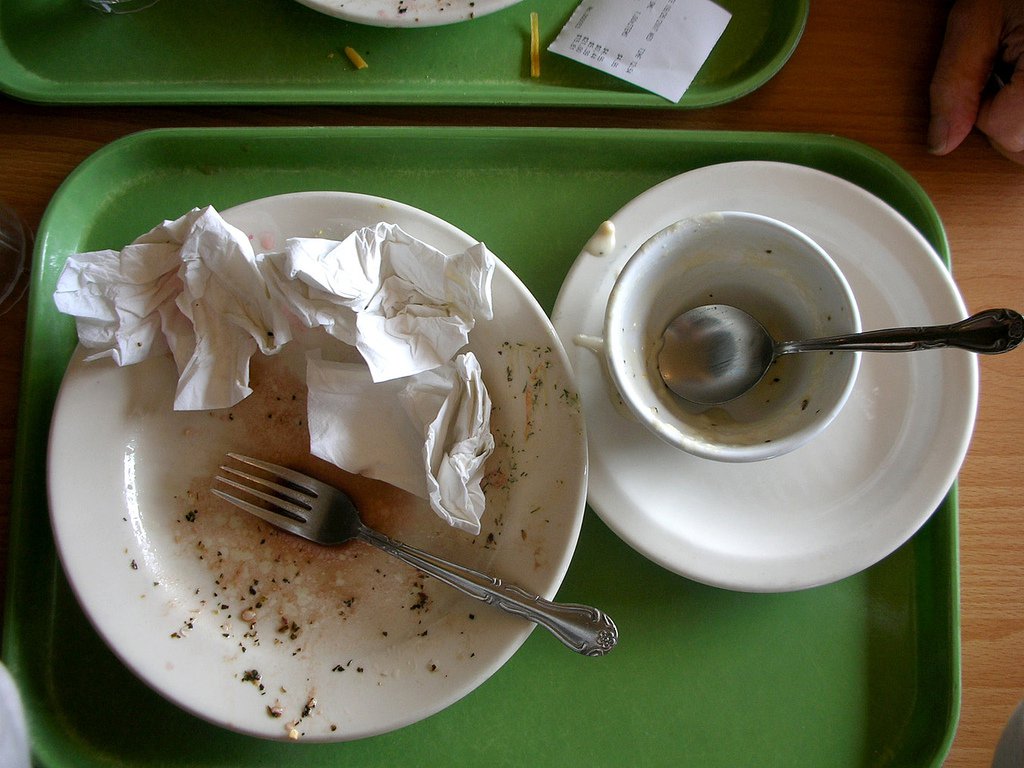
New Mexico State Senator Michael Padilla recently ended a common practice that he in school: 鈥渓unch shaming.鈥� When he was young, Senator Padilla didn鈥檛 have enough money to pay for his school lunch. This meant that in order to get a hot meal, he had to pay off his 鈥渄ebt鈥� to the school by helping with janitorial duties, like mopping the cafeteria floors. The experience stayed with him, and his to end lunch shaming was signed into law by Republican Governor Susana Martinez.
Of course, Senator Padilla鈥檚 story is not an isolated one. Lunch shaming happens across the country, and it takes many forms. Some students are on their forearms with a message for their parents saying 鈥渓unch money,鈥� others have their hot lunch in front of them, and still others are while their paying classmates have US Department of Agriculture-approved hot lunches.
But whatever form it takes, this shaming (and the National School Lunch Program in general, given ) has recently been thrust into the spotlight鈥攁nd other states would be wise to take a cue from New Mexico鈥檚 lunchroom pivot in the months ahead.
New Mexico鈥檚 bill, , bans any practice that publicly identifies or stigmatizes students for being unable to pay for lunch, and it makes sure students receive a healthy lunch, regardless of their ability to pay. Though New Mexico represents a small share of the federal National School Lunch Program (NSLP), which operates in over , it has become a leading example of how to deal with the challenges of administering a massive public program at the state level in an equitable and humane way.
Part of the reason for the high cost of the NSLP is that it provides free and reduced meals for students living in poverty. But enrollment in free and reduced meal programs isn鈥檛 generally automatic, and some of the roughly who qualify may not actually receive these benefits. Or put another way, some of the students who have been subject to lunch-shaming practices live in economic circumstances that mean their parents are genuinely unable to afford putting food in their children鈥檚 mouths at lunchtime.
But the consequences of this shaming follow students outside of the cafeteria.
Critics liken lunch-shaming practices to bullying. Rogi Banks, a Howard University doctoral candidate and student leader for the National Association of School Psychology, explained the following to us in an email: 鈥溾�楲unch shaming鈥� can easily become an acceptable form of school-wide bullying鈥�. School psychologists spend a lot of time working with teachers and administrators to minimize the prevalence of bullying among students鈥�. Adults may also need support in understanding the role they play in this phenomenon.鈥� Bullying can have , such as increased anxiety, sadness, and physical health complaints. It makes sense, then, that lunch shaming, as a form of school-sanctioned bullying, could do the same.
Shaming students for unpaid debt at school also has damning parallels to punitive practices that low-income adults face when they are unable to pay minor debts. As the nation was recently reminded in the wake of investigations into policing and municipal court practices in Ferguson, Missouri, the use of is still alive and well in America. Ferguson residents (as a and numerous other investigations by both and allege) have routinely been slapped with arrest, jail time, and compounded debt when they are unable to pay such minor municipal fees
When students are made to as punishment for being unable to pay for lunch, you don鈥檛 have to read between the lines to see early traces of the that disproportionately punishes low-income and historically disadvantaged adults for minor debt.聽
To be sure, school nutrition departments are responsible for keeping a balanced budget, and this is hardly an easy task鈥攕ome had unpaid debt from school lunches at the end of the 2014-2015 school year. But as a recent points out, school nutrition directors have other options at their disposal to ensure a balanced budget, such as using revenue from other, non-subsidized cafeteria sales. Regardless, schools should cut students out of the process and work with parents directly to resolve any unpaid cafeteria debts. New Mexico鈥檚 new law specifically requires this, and it lays out a clear blueprint for resolving debt issues with parents.
But what else can schools do? For students whose debt remains unpaid because of difficulty accessing free lunch programs, school districts can also reconsider their strategy for targeting free and reduced lunch access, including implementing automatic sign-up, applying for , or even providing universal free meals to ensure free meals reach every student who needs them. For instance, New Mexico鈥檚 law works to provide easier enrollment in the national free and reduced lunch program, particularly for children experiencing homelessness.
鈥淎 6-year-old maybe up to about an 11- or a 12鈥搚ear-old, a 14-year-old, they have no power to fix this issue,鈥� State Senator Padilla said . 鈥淚 don't know why we鈥檙e punishing them. So this [law] prohibits that鈥�. and it focuses more on the child鈥檚 well-being rather than the debt itself.鈥�
Texas and California have already followed New Mexico鈥檚 lead鈥攂oth states have introduced legislation to ban the practice of lunch-shaming. But having just a handful of states take action isn鈥檛 enough to extinguish the problem. If other states are serious about ending practices that shame children for living in poverty, they, too, should implement a similar prohibition.
Policy Analyst, Early & Elementary Education


