Andr茅s Martinez
Future Tense Fellow
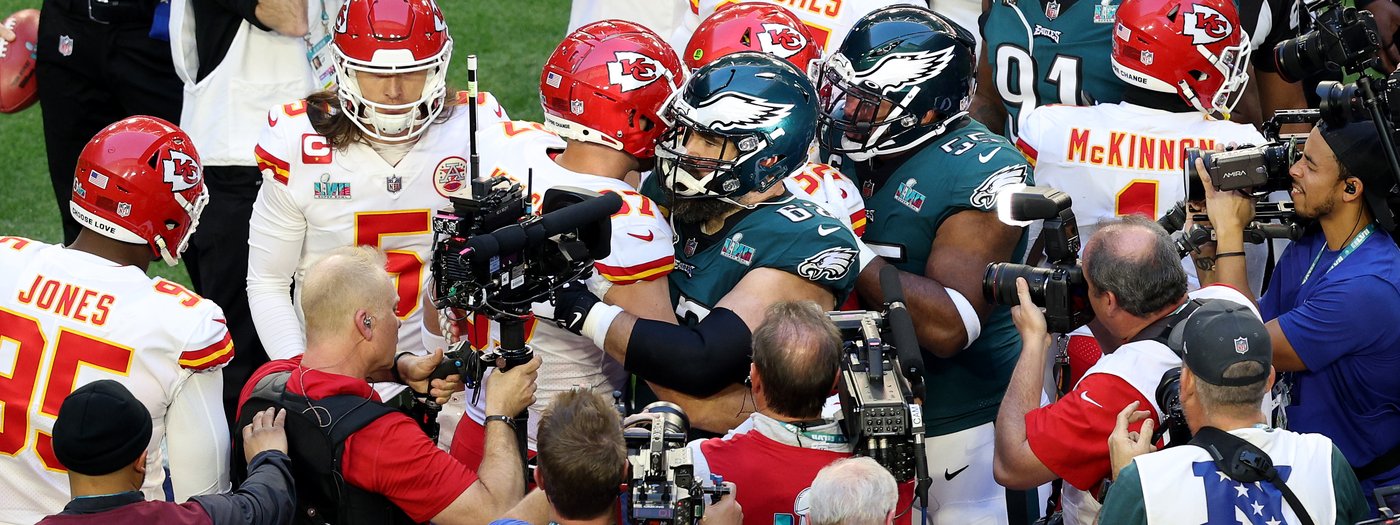
Editor鈥�s Note: The Sunday after this article was published, the Eagles defeated the Chiefs in the , with 126 million viewers tuning in within the United States.
If you consider presidential politics a sporting contest, it鈥檚 worth noting that sports dominated television in 2024, accounting for 97 of the 100 most-watched programs last year. The other three spots were occupied by the Macy鈥檚 Thanksgiving Day Parade and the awards ceremonies for the Oscars and Grammys. And as always, the Super Bowl鈥攖he crown jewel of sports media鈥攍orded over the landscape of American TV, drawing in at least twice as many viewers as anything else. It will do so again on Sunday when Kansas City and Philadelphia face off in Super Bowl LIX.
show that only 16 political programs landed among the top 100 broadcasts, barely making a dent in actual sports鈥� near-monopoly. In 2023, without a presidential election to attract attention, the NFL alone accounted for 93 of the 100 most-watched programs (compared to 72 in 2024). For context, network hit sitcoms like Cheers, Seinfeld, and Friends鈥攐r dramas like E.R. and Law & Order鈥�easily drew in 25 million viewers when they first aired, regularly . Nowadays, not a single scripted drama or sitcom鈥攐nce television鈥檚 dominant force鈥攎akes the top 100 most-watched shows list. There鈥檚 more high-quality scripted TV than ever, but the audience is far more fragmented, choosing to watch on their own time. I only recently watched Breaking Bad, and it was as compelling to me as it was when it first aired a decade ago.
But nobody鈥檚 going to stream the 2014 Super Bowl, the 2012 presidential debates, or the Academy Awards from years past. These events demand to be watched live, together in the moment, and that鈥檚 what makes them so desirable to advertisers. In a world where mass simultaneous audiences are harder to come by, these events still reign supreme.
There鈥檚 nothing novel about the Super Bowl claiming its singular place atop the hierarchy of attention-gathering events on American screens and in American life. It held this spot for half a century, including long stretches that can be described as the golden age for non-sports network television fare. But as we gear up for Sunday鈥檚 game where the Chiefs and Eagles will battle it out while the Don Drapers will fight to land the top ad spots, it鈥檚 worth recognizing how the NFL has conquered our collective attention every single week, not just on Super Bowl Sunday.
We鈥檙e witnessing what I describe to my students as the 鈥渟portification鈥� of media: Increasingly, sport seems to be both the focus and the driving force behind media. To understand why sports鈥攅specially football鈥攁re such a vital pillar in upholding the traditional mass media landscape, it鈥檚 also important to grasp why the value of most things associated with popular professional sports (player contracts, new stadiums, franchise ownership, sponsorship deals, media rights, and those Super Bowl commercials we are about to watch) continue to rise at a stratospheric pace.
Live sports are more crucial than ever to the continued viability鈥攁nd survival鈥攐f both聽 broadcast TV and cable networks. The NFL鈥檚 2021 blockbuster set of media rights deals, , guarantee that major American networks like CBS and NBC remain culturally relevant, no matter the fate of the rest of its programming. The sheer scale of their NFL audience ensures that these institutions will remain vital for the foreseeable future.
More surprising is the degree to which live sport has also come to be seen as indispensable to digital streaming services鈥攖he same disruptive new digital purveyors of video content that were . Amazon Prime is now streaming Thursday Night Football games; from DirectTV; and just this past Christmas, Netflix premiered two NFL games, with 叠别测辞苍肠茅 performing at halftime. Apple TV+ is also getting into the live sports game, streaming Major League Soccer and some Major League Baseball games. And, as a devoted Arsenal supporter, I am all too painfully aware of this shift: To watch my team, I have to subscribe to multiple streaming platforms like Peacock, ESPN+, and Paramount+鈥攕ervices I wouldn鈥檛 have otherwise subscribed to but have become a necessity for me and other sports fans.
The reality is, there are no other forms of recurring entertainment鈥攅xcept for sport鈥攖hat command our collective attention at a set time and date.
There is a long tradition of new mass media platforms leveraging sports content to cement themselves in the cultural landscape. From radio鈥檚 first live broadcast of a , to ESPN鈥檚 pivotal role in driving the rise of cable TV, to Fox鈥檚 successful bid for NFL rights in 1993, sport has long been the gateway to media dominance. Streaming services, following suit, are now making their own significant plays in live sports programming.
These matches made in sports media heaven have often been blessed by public policy, such as by the federal , which allowed leagues to negotiate TV contracts for all its teams without violating antitrust laws.
This Sunday鈥檚 Super Bowl will be the NFL鈥檚 latest celebration of its hegemonic control over U.S. television. Looking ahead, the league desperately needs to extend its overseas reach if it ever wants to attain the global status of the English Premier League, or even that of other American cultural icons like Taylor Swift. Nearly two-thirds of Swift鈥檚 Eras Tour concerts were held outside the United States at a time when 70 percent of the Super Bowl鈥檚 total TV audience remains domestic. That is why the NFL is eager to increase the number of its games played abroad, and why it wants to partner with Netflix and its in more than 190 countries.
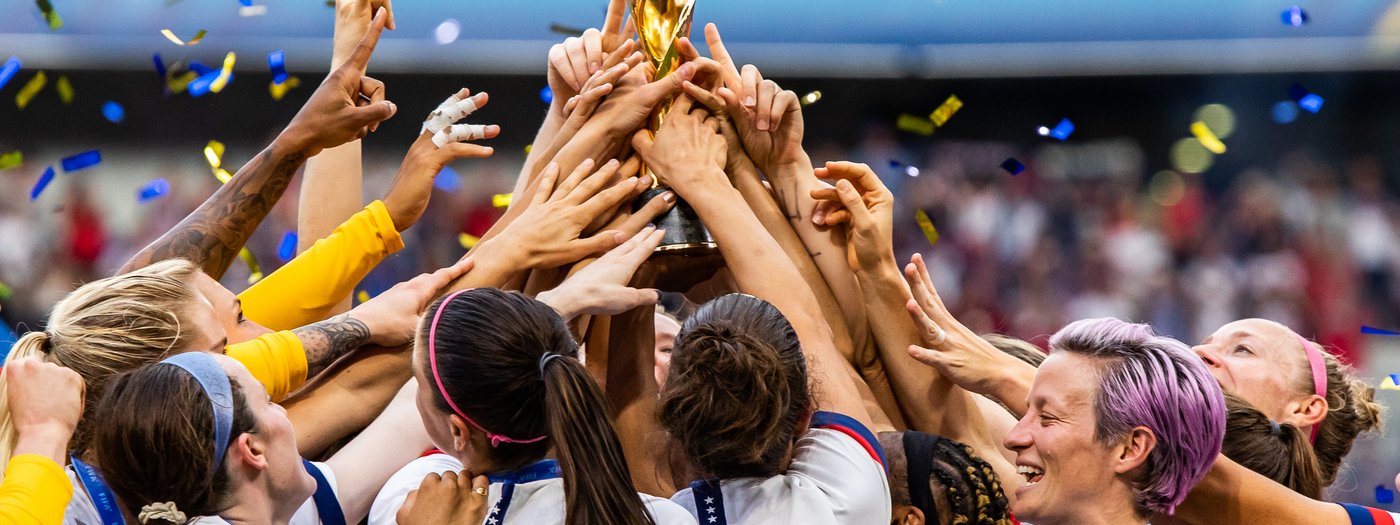
Media鈥檚 growing appetite for valuable sports content is boosting other established sports, as evidenced by the and of the U.S. streaming rights to the next two FIFA Women鈥檚 World Cups. That appetite is also driving investment into new sports and new leagues. Just last month, a new kicked off, joining the rapidly growing landscape of new sports leagues, such as basketball鈥檚 , the much-anticipated women鈥檚 3-on-3 league featuring WNBA stars.
The sportification of media isn鈥檛 a passing trend. It鈥檚 not a bubble that will burst even if we all return to the days of dropping everything at nine on Thursdays to gather around the TV for Friends or Seinfeld. The reality is, there are no other forms of recurring entertainment鈥攅xcept for sport鈥攖hat command our collective attention at a set time and date. This convening power to gather an audience in real-time is only going to become more valuable over time as our attention increasingly becomes the world鈥檚 most coveted resource.
As we prepare for Super Bowl LIX, it鈥檚 a good time to remember that the game鈥檚 appeal extends far beyond the action on the field. It鈥檚 a marker of just how far sport has come, and how it continues to shape the media landscape and therefore our culture鈥攐ne touchdown, and one ad spot, at a time.
Go Chiefs!
Future Tense Fellow