A Chapter of: The Meaning of Security
Introduction
Much like the end of the Cold War and the September 11 attacks, the convergence of crises brought on in part by the COVID-19 pandemic is testing Americans鈥� mental model of national security. The pandemic has laid bare governments鈥� limited ability to keep their people safe. It exposed the inadequacy and inequities of public health systems, plunged the global economy into recession, disrupted supply chains, tested alliances, and accelerated conflict.1 A movement for racial justice in the United States has demonstrated ways that systemic racism undermines American leadership abroad as well as institutions at home.2 Incidents of political violence in the United States, including the emergence of an increasingly networked white supremacist movement, are linked to a global surge in extremism.3 Disinformation is increasingly coming not just from foreign actors attempting to interfere in our elections, but from Americans themselves intent on heightening and weaponizing our divisions.4 Rising economic inequality has stifled the growth of the middle class and contributed to negative health, education, and social outcomes. Twenty-two natural disasters that cost the U.S. government a record $1 billion in 2020 highlighted the destabilizing effects of climate change.5 And political polarization has warped Americans鈥� trust in our democratic institutions at home, accelerating all of these challenges and impeding our ability to effectively respond to them.6
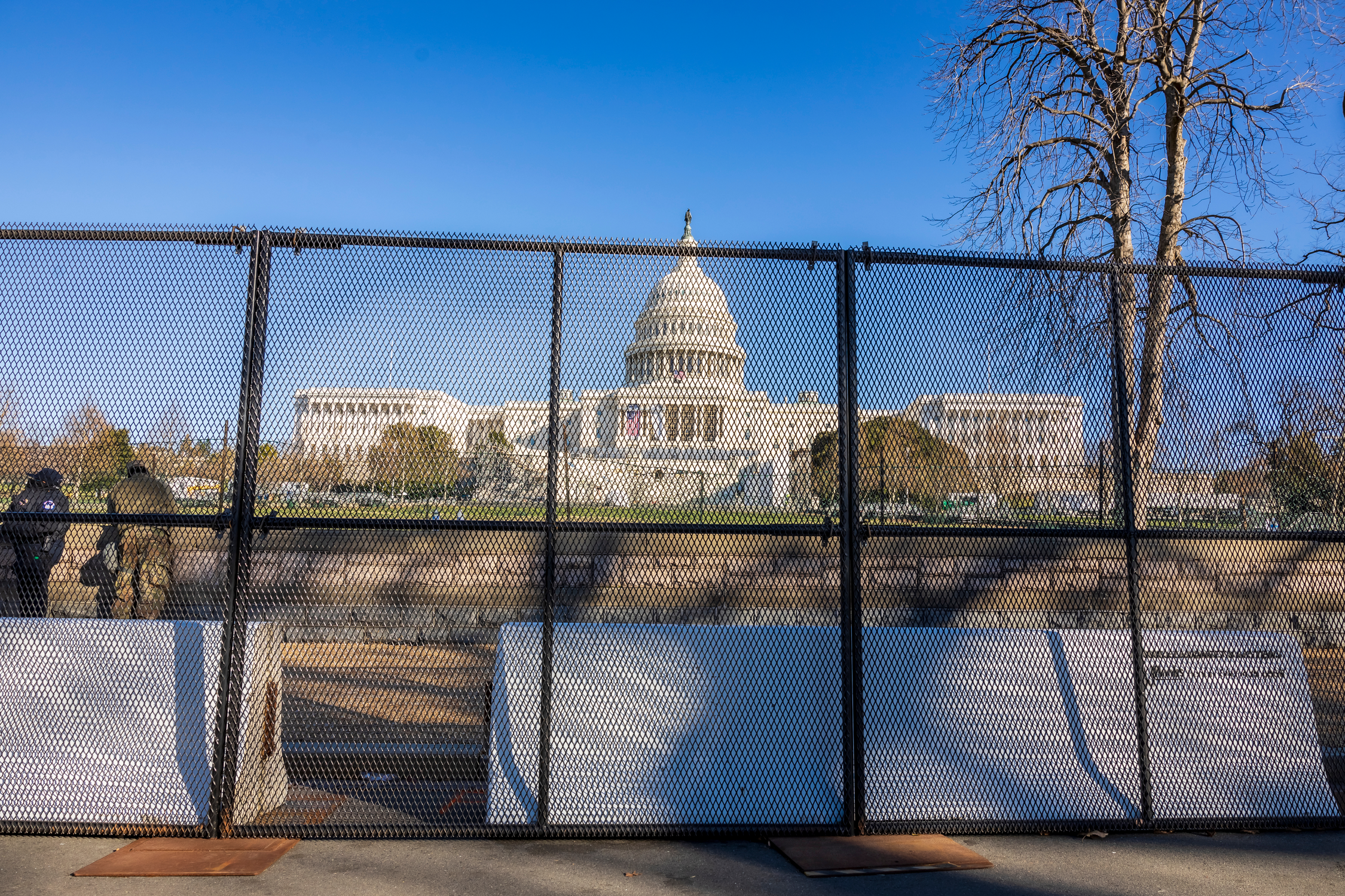
The image of violent right-wing extremists taking over the Capitol building on January 6 as Congress voted to certify the election encapsulated a number of these trends. Analysts and the media struggled to locate the event in the context of American history. Rather than bring the public together, the event and its coverage did nothing to tamp down polarization. Again, none of our traditional security tools, including $700 billion plus in annual defense spending, seemed responsive to a very real threat.
We don鈥檛 have the language, let alone the policy, to begin confronting the national security challenges we currently face. In this report, we seek to map how national security threats have changed over the past 10 years, and especially over the past year, and where the ways we talk about national security have failed to evolve to meet this challenge. We begin with an analysis of several highly-regarded surveys of U.S. public opinion and the Director of National Intelligence鈥檚 annual Worldwide Threat Assessment to understand how Americans鈥� perceptions of the security threats that we face has changed. We then turn to a media content analysis of opinion pieces in major media sources鈥� coverage of security and the COVID-19 pandemic, identifying the most prominent debates about how the United States should respond to the pandemic as a national security threat. We conclude with a set of recommendations for addressing the gap between perceptions of the threats we face and our frameworks for addressing them.
Citations
- Rachel Brown, Heather Hurlburt, and Alexandra Stark, 鈥淗ow the Coronavirus Sows Civil Conflict.鈥�
- 鈥淓vent: Where Does the National Security Community Stand Three Months After George Floyd Changed the World,鈥� 国产视频.
- Spence, 鈥淭he New Wave of Global Terrorism is Right-Wing Extremism.鈥�
- Will Weissert, 鈥淔rom vote to virus, misinformation campaign targets Latinos,鈥� AP, March 7, 2021, .
- NOAA, 鈥淏illion-Dollar Weather and Climate Disasters: Overview,鈥� .
- Susan Rice, 鈥淎 Divided America Is a National Security Threat.鈥�