
Stephen Burd
Senior Writer & Editor, Higher Education
On average, $1 out of every $3 that public research universities and land-grant institutions spent on financial aid in the 2014-15 academic year went to students without financial need, according to a new analysis of institutional aid data that I conducted. This analysis focused on public universities represented by the聽, which lobbies on behalf of the most prestigious public universities in North America.
This isn鈥檛 the first time I have looked at the use of non-need-based aid, which is otherwise known as 鈥渕erit aid,鈥� at public four-year colleges. In the past, on the share of students without financial need who receive merit aid at different state universities. While those data showed how pervasive merit aid is at public higher education institutions, the new data鈥攚hich I gathered from information that colleges disclose as part of an annual survey called the 鈥溾�攁re even more revealing.
Overall, I examined institutional aid expenditures at 134 of . Unfortunately, I had to leave out 53 schools that either did not post their 鈥淐ommon Data Set鈥� on their websites or have yet to report data for the 2014-15 school year.
Of the 134 public research and land-grant institutions:
The following public universities spent 100 percent of their institutional aid on non-needy students:
The public universities that spent the largest sums on merit aid were:
Many flagship universities are generous providers of non-need-based aid. But even among these institutions, there are wide disparities in how much merit aid is used. Flagships that spent at least two-thirds of their aid on non-needy students included:
By contrast, the following flagships devote under 10 percent of their aid to non-needy students:
Some may argue that the fact that public research universities and land-grant institutions are devoting, on average, one-third of their institutional aid to non-needy students isn鈥檛 concerning. After all, these schools are still using a majority of their aid to help financially needy students. In addition, public universities in certain parts of the country are spending extremely small shares of their aid on non-needy students. For example, the data show that public universities in New England and on the West Coast don鈥檛 make much use of merit aid.
I disagree with this assessment. The , I believe. Low-income students at high merit aid schools pay an average net price鈥攖he price after all grants and scholarships are taken into account鈥攐f $11,785 annually. In contrast, those attending schools that spend the smallest shares of their aid on non-needy students are left on the hook for only $8,998, or 23 percent less. Over four years, that difference adds up to more than $11,000.
In addition, it appears that the use of merit aid at public universities is spreading rapidly. Stung by sharp state budget cuts at the same time they are seeking greater prestige, these universities are increasingly pitted against one another, fiercely competing for the students they most desire: the 鈥渂est and brightest,鈥� and those wealthy enough to pay full freight. And they are using a large share of their institutional aid dollars鈥攎oney that could instead be going to students who truly need it鈥攖o .
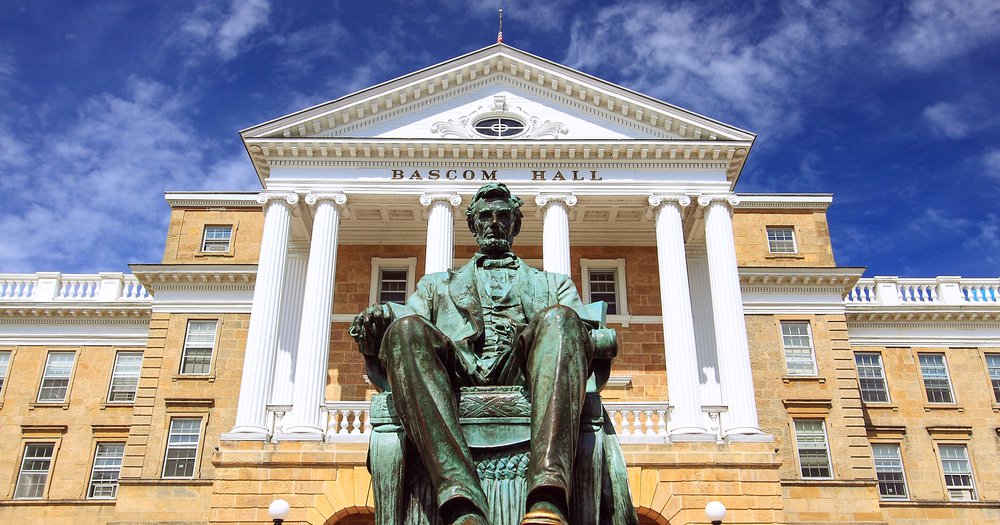
As , the University of Wisconsin at Madison is a case in point. Currently, the school spends only about 17 percent of its aid on non-needy students. University officials, however, say they are going to substantially boost . The university鈥檚 primary goal is to use this aid to keep top Wisconsin students in the state. In recent years, some of the school鈥檚 Big Ten rivals have been luring high-achieving Wisconsin students to their campuses with generous offers of merit aid.
But that鈥檚 not the only way the university wants to spend this money. The school is also planning to increase spending on merit aid so it can better compete for out-of-state students. In other words, at the same time that the university is fighting tooth and nail to keep Wisconsin鈥檚 best students in state, it plans to become more aggressive in . This dynamic creates a self-perpetuating vicious cycle.
As , one of the leading experts on enrollment management, , 鈥淭he level of competition is creating a prisoner鈥檚 dilemma. Some schools are doing this not because they want to but because their peers are. They feel they can鈥檛 afford not to do it.鈥�
I plan to dig deeper into these data in the coming months. Hopefully, I will be able to shed more light on this troubling issue.
This story was produced by , a nonprofit, independent news website focused on inequality and innovation in education. Read more about .听听
Senior Writer & Editor, Higher Education


