A Chapter of: Virtual Currency Donations
Appendix 12: United States
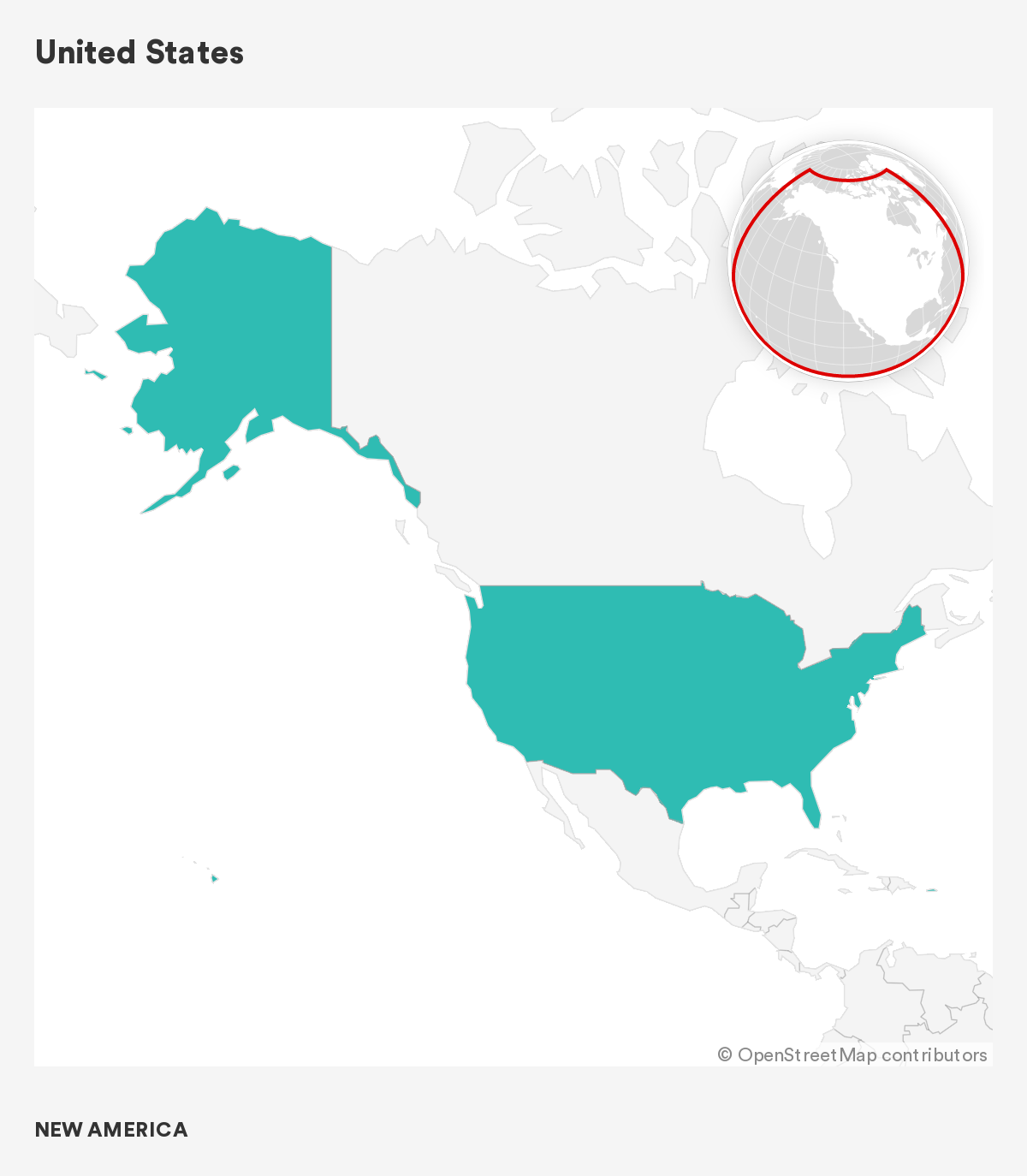
Highlights
- At the federal level, virtual currencies like bitcoin are regulated by a number of agencies with sometimes overlapping jurisdictional claims and substantive requirements. CFTC treats it as a commodity, the Treasury Department treats it as a currency for purposes of OFAC compliance, the IRS treats it as property for purposes of capital gains taxation; all rely on extending existing statutes to cover virtual currencies rather than seeking new authority from Congress. At the state level, other licensing requirements may apply to virtual-currency-related businesses.
- Charitable contribution deductions of virtual currencies are typically valued at the fair market value of the virtual currency at the time of the donation. IRS guidance recommends that charities accepting virtual currency donations should treat such donations as non-cash contributions and report them on a Form 990 and its associated Schedule M.
- Just as with other donations, donations of virtual currencies can be made anonymously or pseudonymously. If the receiving charity sells, exchanges, or disposes of any part of the virtual currency donation within three years, current IRS guidance tells charities they must inform the donor of this disposition鈥攇uidance complicated by the fact that in some cases the charity will not know the donor鈥檚 identity. As part of their annual tax filings, U.S. charities may need to disclose contributions above a certain threshold.
- Approximately 12 percent of the United States鈥� largest 100 charities accept virtual currency donations, according to recent estimates.
Virtual Currency-Specific Regulations
- The US federal government has not implemented any cryptocurrency-specific regulations. Virtual currencies like Bitcoin are regulated by a number of agencies. CFTC treats it as a , the Treasury Department treats it as a for purposes of OFAC compliance, the IRS treats it as for purposes of capital gains taxation.
- SEC claims jurisdiction over all tokens that meet the 鈥淗owey鈥� test laid out in (1946)
- SEC, William Hinman (Director, Division of Corporate Finance), (2018) [NB: this is not legally binding]
- CFTC has also over virtual currencies, saying they are commodities under the Commodity Exchange Act (CEA).
- IRS, (2019)
Nonprofit Regulations
- US Code,
- IRS, ; (2019); ;
- Congressional Research Service, (Aug. 2019); (Nov. 2009)
- Non-profit entities are organized under state law, which varies.
Tax Regulations
- IRS, (2018)
- IRS, (2007)
- IRS, (2016)
- IRS, (2018)
- IRS, (2014)
- IRS, (2006)
- IRS, (2019)
- Congressional Research Service, (Sept. 2019)
- IRS, Form 8949, (2019)
- IRS, (2020)
- IRS, (2019)
- IRS, (Sept. 6, 2019)
Anti-Money Laundering Regulations
- Financial Access Task Force Report, (2014)
- Department of the Treasury Financial Crimes Enforcement Network, 鈥� (Mar. 2013)
- Department of the Treasury, (2010); (2010); (2010)
- FDIC,
- IRS, Bank Secrecy Act (2019)
- Department of the Treasury Office of Foreign Assets Control (OFAC), (2009)
- Department of the Treasury, (2005)
Other Relevant Regulations, Sources, Notes
- Global Legal Insights, Blockchain & Cryptocurrency Regulation (2019),
- National Philanthropic Trust,
- Fidelity Charitable,
- Ashley Pittman, , 14 Duke Law and Technology Review 48-68 (2015)
- National Philanthropic Trust,
- Congressional Research Service, (Apr. 2019)
- CF Insights, (Dec. 14, 2018)
- David Rosado, , Philanthropy News Digest Philantopic Blog (Jan. 29, 2019)
- Nonprofit TechScott Koegler, More Nonprofits are Considering Cryptocurrency as Part of Their Strategies, (Dec. 2, 2019)
- Sue E. Eckert with Kay Guinane and Andrea Hall, , Charity & Security Network (Feb. 2017)
- Jim Schaffer, , Nonprofit Quarterly (Oct. 4, 2018)
- The Block, (Jan. 11, 2020)

Virtual Currency Donations
- Executive Summary
- Introduction
- 国产视频 Our Organizations
- Methodology and Terminology
- First Principles of Civil Society
- Blockchain and Digital Currency
- Use Cases
- Key Findings
- Other Findings
- Conclusion
- Appendix 1: Virtual Currency Terminology
- Appendix 2: International Highlights
- Appendix 3: Australia
- Appendix 4: Bermuda
- Appendix 5: Canada
- Appendix 6: Denmark
- Appendix 7: Malta
- Appendix 8: Singapore
- Appendix 9: South Africa
- Appendix 10: Switzerland
- Appendix 11: United Kingdom
- Appendix 12: United States