Vote NO on Section 702 Surveillance Expansion and Reauthorization
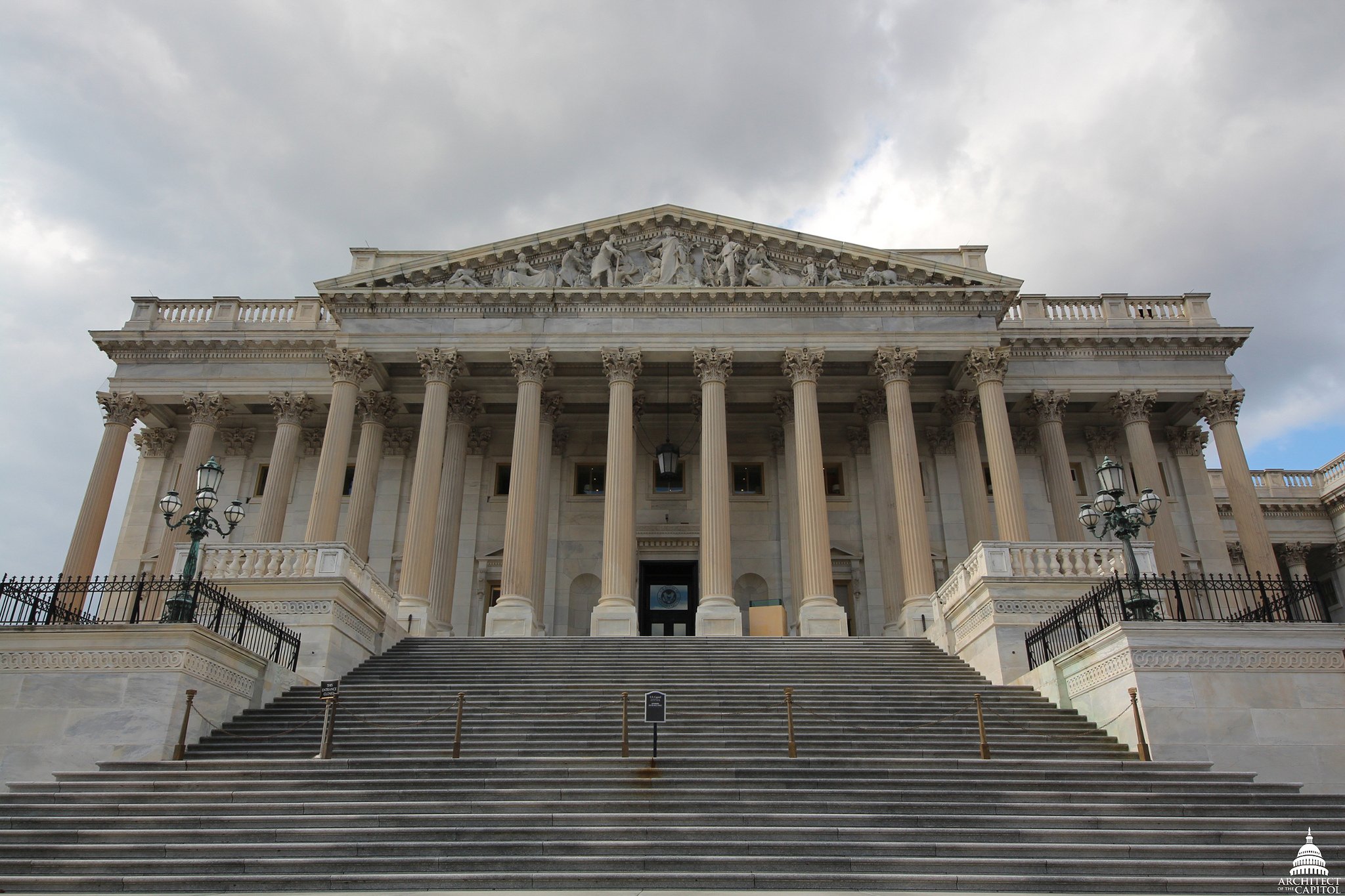
This week, the House of
Representatives will vote on a stand-alone measure to enact a four-year reauthorization
of Section 702 of the Foreign Intelligence Surveillance Act, which is set to
expire on December 31, 2017. The bill is a modified version of the FISA
Amendments Reauthorization Act of 2017 (), which was reported out of the
House Intelligence Committee on a party line vote, with at least four members . That
bill was strongly opposed by and by . The modifications to this bill are
wholly insufficient to address the many concerns it raises. Although its
proponents seek to sell the bill as a reform measure, it contains no meaningful
reform of Section 702, and in several respects, it expands surveillance
authorities and codifies the worst intelligence community practices rather than
reforming them. As a result, this bill is worse than a clean reauthorization
with a sunset. The FISA Amendments Reauthorization Act:
- Makes NO meaningful reforms to
protect Americans鈥� privacy. - Codifies and expands 鈥渁bouts鈥�
collection. 鈥淎产辞耻迟蝉鈥�
collection is part of upstream surveillance where the government collects not
only communications that are 鈥渢o鈥� and 鈥渇rom鈥� a target, but also those that
merely reference or are 鈥渁bout鈥� a target. This type of collection results in
the collection of .
The FISA Court has found this type of collection raises serious constitutional concerns
because it is so privacy-invasive and has forced the government to , most recently because the
government consistently failed to comply with mandatory minimization procedures
to protect Americans鈥� privacy. This bill would not only explicitly ratify this
practice, but there is a risk that the government could interpret the bill鈥檚
language to expand such collection, by permitting unintentional 鈥渁bouts鈥�
collection and collection of communications that merely reference a target,
such as mentioning a target鈥檚 name, but that do not include a target鈥檚 鈥渟elector鈥�
such a phone number or email address. - Codifies backdoor searches for
Americans鈥� communications. The
bill would write into statute the current practice whereby the intelligence
community (FBI, NSA, CIA, and NCTC) can warrantlessly search for and access
Americans鈥� communications that have been collected incidentally through Section
702 surveillance. The FBI even routinely conducts these searches for Americans鈥�
information before initiating investigations, when they have no factual basis
for believing the American has been engaged in wrongdoing. These searches can
also be conducted to open or further investigations that have nothing to do
with national security. This bill pretends to address this problem by providing
that the FBI has the 鈥渄iscretion鈥� to seek a warrant before accessing Americans鈥�
information, but this provision would not stop, or even meaningfully limit,
these warrantless searches or the use of warrantlessly accessed communications
in run-of-the-mill investigations. Instead, the bill would sanction that
practice.
Of all of the bills that have been
debated, the House Intelligence Committee鈥檚 bill is and the modifications that have
been made to the bill fail to adequately resolve its significant problems. OTI
does not support a clean reauthorization of Section 702, however, any bill that
makes no meaningful reforms and that codifies and expands 鈥渁bouts鈥� collection,
as this bill does, poses an even greater threat to Americans鈥� privacy and civil
liberties than would a clean reauthorization with a sunset. It is no surprise that the bill
raises so many concerns: it received . When it was marked up in
committee, there was no discussion of how the bill would impact Section 702
authorities. On the other hand, while the House Judiciary Committee bill does
not address all of the privacy community鈥檚 concerns, it does make some important and meaningful reforms and was subject to robust public
debate in Committee, where was approved by an overwhelming bipartisan vote.
Members should vote 鈥淣O鈥� on the
House Intelligence Committee鈥檚 bill and demand that Republican and Democratic
leadership allow a vote on a real reform measure.
Downloads
More 国产视频 the Authors
Issues
Programs/Projects/Initiatives
Related

Take Back Tech鈥擴nderstanding How Surveillance Culture Impacts Advocacy