What Anti-LGBT Politics in the U.S. Means for Democracy at Home and Abroad
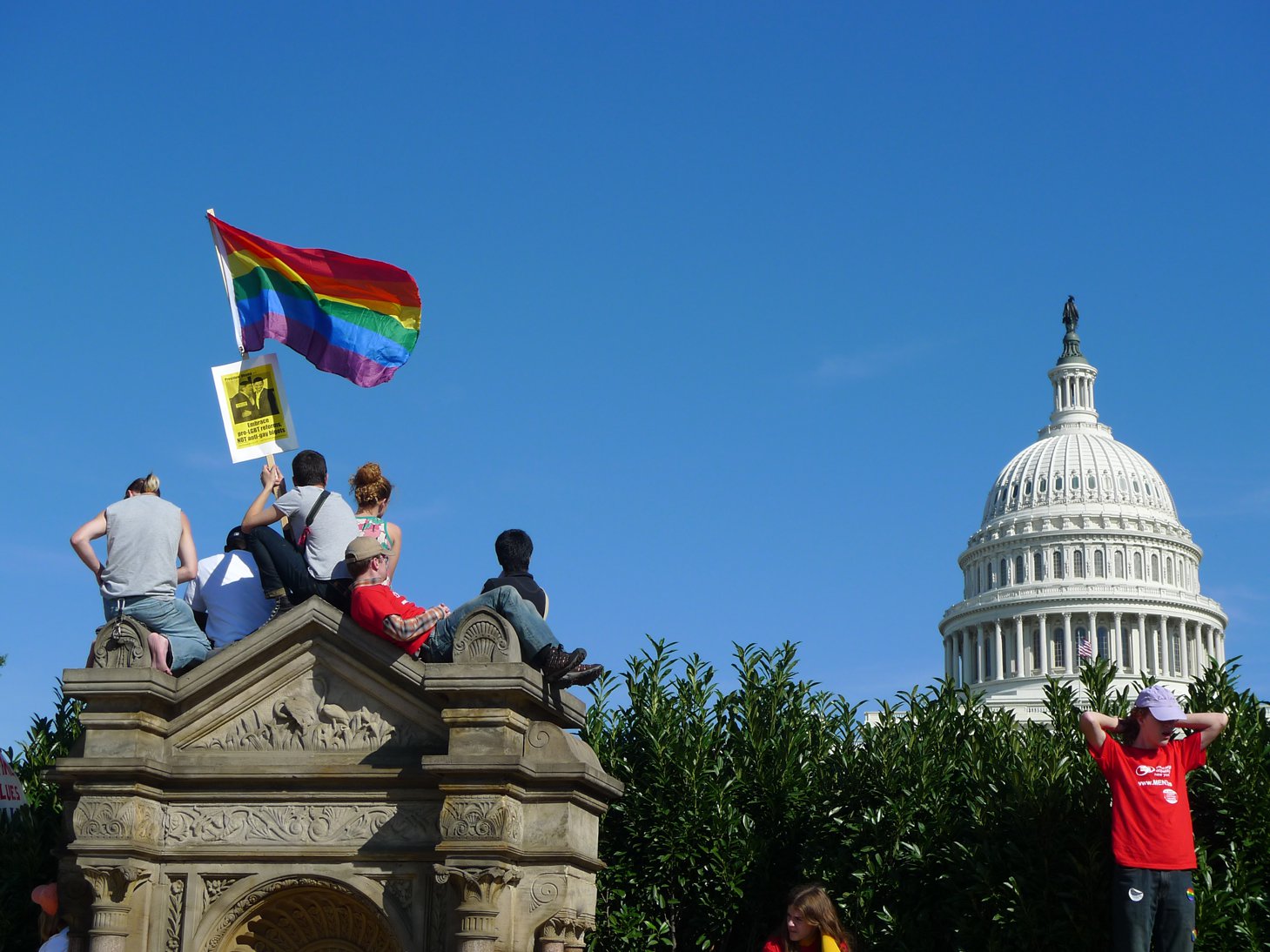
On March 28, Gov. Ron DeSantis that effectively bans discussion of sexual orientation and gender identity in Florida鈥檚 schools. The so-called 鈥淒on鈥檛 Say Gay鈥� bill creates new restrictions on classroom speech around LGBT people and same-sex families, and empowers parents to sue a school if the policy is violated, chilling any talk of LGBT themes lest schools or teachers face potentially costly litigation.
This bill is the latest in a record-setting year of legislation targeting LGBT people: in 2022 alone, anti-LGBT bills have been introduced in state legislatures across a range of issues, with a majority targeting transgender individuals. In addition to efforts to regulate school curricula, lawmakers have sought to limit trans students鈥� participation in , restrict access to that align with their gender identity, and deny life-saving gender affirming . Despite legal advances over the past decade and growing public support for LGBT rights鈥攁 found that 79 percent of Americans favor laws that protect LGBT people from discrimination鈥攐pponents continue to push legislation that denies fundamental rights and enshrines discrimination and stigma against LGBT people.
The current wave of restrictions and rollbacks on both LGBT rights and spaces for advocacy overlaps with a larger global trend toward illiberalism and democratic backsliding, including in the United States. The Economist鈥檚 2021 found that measures on a range of indicators of democracy have fallen to an all-time low. Likewise, finds that authoritarian rule is expanding as leaders become more effective in coopting democratic norms.
It is no coincidence that LGBT rights are being rolled back at the same time that authoritarianism is on the rise. by the Williams Institute at UCLA School of Law has found that countries with laws and policies that are inclusive of LGBT people are strongly associated with democracy and the rule of law. Conversely, autocracies were found to be less inclusive even in the presence of public support for LGBT rights.
In many countries, anti-LGBT laws are framed as efforts to combat 鈥済ender ideology.鈥� This term, initially adopted by the to cast advocacy by LGBT and feminist movements as subverting traditional notions of the family, has been taken up by a range of authoritarian public officials and rightwing activists to promote anti-democratic measures. Autocrats pose the very existence of LGBT people in opposition to conceptions of in order to justify repressive policies. In Brazil, where President Jair Bolsonaro has against LGBT people, elected officials and community members have worked to 鈥� through discussion of comprehensive sex education in schools despite laws that require instruction on sexuality and gender. Last year, a bill in sought to further criminalize LGBT people by, among other things, imposing a ten year prison sentence for promoting LGBT rights. The current Polish president, Andrzej Duda, successfully by criticizing 鈥淟GBT ideology,鈥� calling it 鈥渆ven more destructive鈥� than communism. And in Hungary, Prime Minister Viktor Orban鈥檚 governing Fidesz party has regarding homosexuality and transgender people in an echo of Russia鈥檚 infamous anti-propaganda law from 2013.
LGBT rights are the canary in the coal mine of democratic backsliding. Authoritarian leaders may precisely because their rights are seen as less institutionalized than other groups. Homophobic and transphobic attacks provide for deflecting attention from undemocratic activities or economic downturn, and leaders may feel emboldened to target LGBT people because they feel they will not incur costs for doing so. In a February 24 , Russian President Vladimir Putin even argued that his military invasion of Ukraine was partly justified by the need to combat 鈥渇alse values鈥� such as LGBT rights that lead to 鈥渄egradation and degeneration鈥ontrary to human nature.鈥�
The deployment of anti-LGBT policies and rhetoric do not find refuge in authoritarian states by chance. A of governments, religious organizations, and civil society鈥攎any based in the U.S.鈥攁re diffusing backlash to LGBT rights and helping to promote illiberal policies in other countries. Research by the finds that US-based organizations associated with the 鈥渁nti-gender鈥� movement received more than $6 billion between 2008 and 2017. Moreover, what is promoted abroad has now found its way back to the US. Even Florida鈥檚 鈥淒on鈥檛 Say Gay鈥� bill was explicitly .
Against this backdrop, we should recognize the propagation of anti-LGBT laws in the U.S. for what it signifies: an existential threat to our inclusive democracy. At the Summit for Democracy last December, President Biden whether 鈥渨e [will] allow the backward slide of rights and democracy to continue unchecked? Or will we together鈥have] courage to once more lead the march of human progress and human freedom forward?鈥� It was a call to action for attendees from around the globe, but the imperative must fall as much on the United States as on the rest of the world. To lead on the promotion of democracy and human rights abroad, we must ensure that democracy and rights鈥攊ncluding LGBT rights鈥攁re preserved and promoted here at home.
More 国产视频 the Authors
Issues
Programs/Projects/Initiatives
Related

Call for Proposals: Nuclear Futures Working Group
Why Trump’s Anti-WTO Rhetoric Isn’t Just 国产视频 Trade
Rousseff is Out. Are All Brazilian Women Out, Too?