Chayenne Polim茅dio
Fellow, Political Reform Program
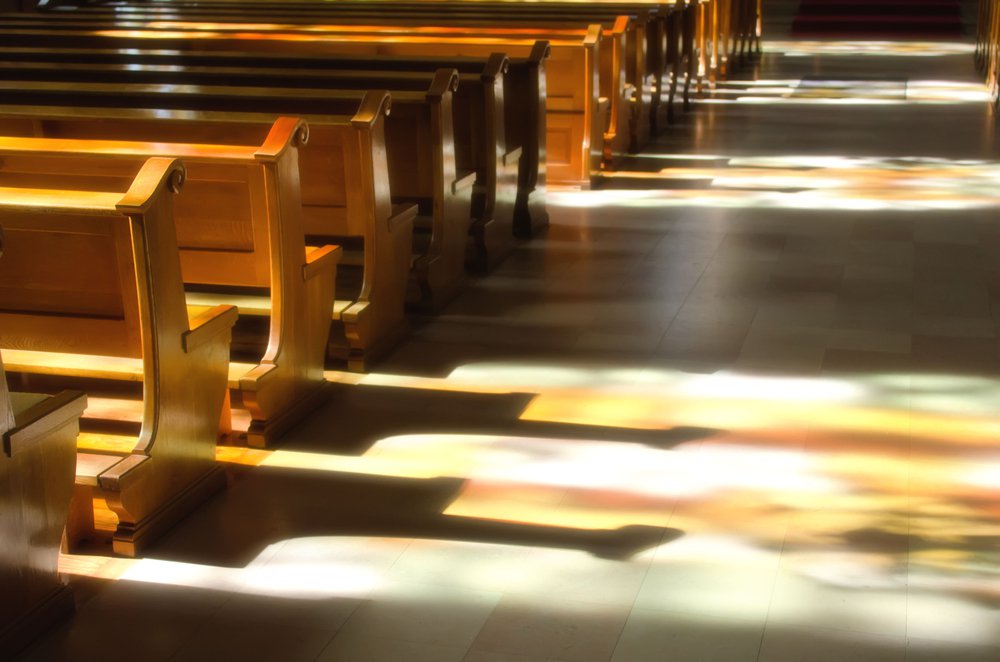
West Philadelphia鈥檚 Calvary Methodist Episcopal Church鈥攍ocated at 48th Street and Baltimore Avenue, and built over a century ago, in 1906鈥攈as a fascinating duality: It鈥檚 more than just a place of worship. Today, the church鈥檚 is a place where people gather for AA meetings, book clubs, and even the occasional birthday party.
But that hasn鈥檛 always been the case. By the mid-1990s, the church’s turn-of-the-century architecture, which houses beautiful woodwork, a world-class organ, two stained glass domes, and two of the largest signed in the Delaware Valley, was falling apart. The ceiling in the sanctuary and the chapel was leaking and falling down. The heater was beyond repair. The bathrooms weren鈥檛 even working.
It wasn鈥檛 just the church that was crumbling, though. It was also the neighborhood around it. Crime was , and people avoided walking on the streets at night, if they could. But, fortunately, not everyone lost hope. Some people believed that things didn鈥檛 have to be that way.
Richard Kirk was one of those people, and he鈥檚 among a growing number of people looking to re-conceptualize sacred places鈥攖o make them into civic spaces that can serve their surrounding communities beyond faith and worship.
Kirk told me in an interview that he, alongside a group of West Philadelphia community leaders, realized that 鈥渋t was necessary to save strategic places like this.鈥� The community needed a place where people felt welcome鈥攚here they could come together and feel safe.
Why? Churches are one of the oldest spaces where Americans have been able to to engage with other members of their community. It鈥檚 often at church where newcomers meet their new neighbors, where they find others who share their values. Put another way, churches are places that unite. But even on top of all that, in socially strenuous areas, where resources might be scarce and where individuals might struggle to make ends meet, churches have, throughout history, performed another valuable role: They鈥檝e served their communities by providing what they need most, from after-school programs to child care to vocational training.
But Kirk鈥檚 task wasn鈥檛 easy. How would they stop deterioration, revitalize the neighborhood, and make it once again appealing to Philadelphians? To save the building, the group needed the buy-in of an important group of people: the actual constituency the church wanted to serve.
So, Bob Jaeger, founder and president of the non-profit organization , brought together focus groups, and he asked them a simple question: 鈥淚f we could save this building, what would you like to see happen here?鈥� The idea was to help the church congregation serve people more effectively by helping it to better articulate stories of community support.
鈥淲e asked everybody, and we made real sure that we got to talk to everybody in this community. From the rich to the poor, every color of the rainbow, and we made sure we got everyone involved,鈥� Kirk told me. 鈥淎nd not just church people鈥攁bsolutely not. We went around to the surrounding community. Because we felt like if this was going to be anything, it wasn’t going to be just a tiny Methodist congregation. We didn’t want a church museum.鈥�
It turned out that everybody wanted the same thing.
For one, the community wanted Calvary Church to remain a sacred place. But it also wanted the church to be a place where everyone could come together, and for it to become a beacon of hope in West Philly. 鈥淲hat if Baltimore Avenue could be a place where people came in the evening to be entertained, get dinner? And what if the space could open up for the community?鈥� Kirk asked. But prior to the church鈥檚 metamorphosis, community organizations didn鈥檛 have a home base鈥攁 place to discuss these very issues. That made gathering difficult.
With help from Partners for Sacred Places, the Calvary Church developed a fundraising strategy, and with a from the William Penn Foundation, Kirk, Jaeger, and other community leaders were able to get their church in working order. In 2000, the was born. The center, which has become a community hub, has, in the years since it opened its doors, played a big role in revitalizing the neighborhood.
Indeed, the positive effect churches and other sacred places have in communities is cumulative. The presence of these institutions in communities is proof that physical capital can be an important contributor to human and social capital. A 2010 , conducted by Partners for Sacred Places and the University of Pennsylvania School of Social Policy and Practice, looked at the economic impact of houses of worship in Philadelphia. The researchers added up numbers from direct spending, the value of daycare and K-12 programs, and these places鈥� ability to attract resources and volunteer labor. What they found was that 12 Philadelphia congregations contributed $52 million in annual economic value to the city of Philadelphia鈥攁n average of $4.3 million per congregation. Researchers call this phenomenon the 鈥渉alo effect of sacred places.鈥�
鈥淧eople would come attend church services, and say, 鈥業 wanna live here,鈥� so they’d buy houses, open businesses. There was a halo effect right here from this building,鈥� Kirk said.
Today, the Calvary Center serves as the unofficial town hall of its surrounding neighborhood. Moreover, the community shares this space with the large majority of residents who aren鈥檛 members of the church. As for the activities themselves, they skew broad: monthly meetings between the community and the police, children鈥檚 musical performances, Pentecostal worship services, Ramadan dinners, discussions of how to implement gender-neutral bathrooms.聽聽
When I asked Kirk what he鈥檇 say to someone who thinks that churches have no business having this mounting role in communities, he nodded to how his church鈥檚 work goes beyond religion.
鈥淚鈥檓 idealistic, but I think this neighborhood is really special. It鈥檚 creating a community that America should become. I feel like we鈥檝e gotten away from the best aspects of who we used to be鈥攁nd we need to get back to that.鈥�
Fellow, Political Reform Program