Carrie Gillispie
Project Director, Early Development & Disability
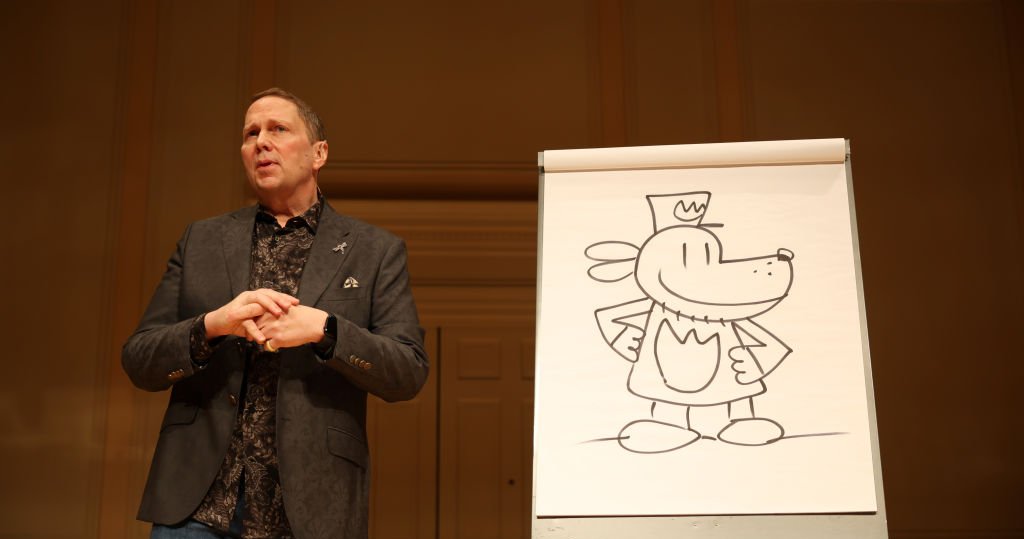
Anyone who knows an elementary school student probably knows Captain Underpants鈥攖he principal-turned-superhero who isn鈥檛 so super at his job. But what most people don鈥檛 know is why he鈥檚 a principal in the first place. I love a good origin story, and Learning Disability Week is the perfect time to revisit this one.
Captain Underpants, like many of author Dav Pilkey鈥檚 beloved characters, was born out of the isolation and turmoil Pilkey experienced as a student with dyslexia and attention-deficit hyperactivity disorder (ADHD). His elementary school teachers constantly kicked him out of class, leaving him in the . So he started drawing鈥攃haracters he hoped might entertain his classmates, make them laugh, maybe even like him. He didn鈥檛 want to be seen as the bad guy who slowed down the class read-alouds and made the teacher angry.
Those hallway doodles eventually became Dog Man and Captain Underpants stories, series that include more than 60 million books in print, with translations in , multiple Captain Underpants films鈥攁nd now, a . Dog Man鈥檚 characters grapple with feeling like outsiders and finding joy in connection. Pilkey鈥檚 childhood is all over the pages and screen鈥攁 central robot character is even named 80-Hexotron Droidformigon, or better known as 80-HD.
The worldwide embrace of these characters shows just how many readers鈥攅specially students with learning disabilities鈥攕ee themselves in these stories. Mr. Krupp, the grumpy principal who transforms into the ridiculous Captain Underpants, is a mash-up of school administrators Pilkey knew growing up. There鈥檚 something cathartic for kids in watching the rule-enforcer become a clueless superhero in tighty-whities, resembling a giant baby. Kids want to laugh, feel safe, and belong. These aren鈥檛 just silly characters; they鈥檙e commentary on how the U.S. education system fails to make space for joy and connection鈥攅specially for kids with learning disabilities.
These aren鈥檛 just silly characters; they鈥檙e commentary on how the U.S. education system fails to make space for joy and connection鈥攅specially for kids with learning disabilities.
Pilkey went to elementary school in the 1970s, the same decade Congress passed the Education for All Handicapped Children Act鈥攏ow the 鈥攚hich gave every disabled student the right to a free, appropriate public education tailored to meet their individual needs. Though it radically improved the experiences of millions of students with disabilities, scientific and social understanding of learning disabilities is outpacing education policy. Today, about 15 percent of ; of those, one-third primarily identify as having learning disabilities such as dysgraphia, dyscalculia, or dyslexia. We know more than ever about the .
And yet, we鈥檙e moving backward. The Trump administration has like fatty liver disease and diabetes. Supports for students with disabilities are under threat from efforts to dismantle the U.S. Department of Education and weaken civil rights protections. One recent described rising ADHD diagnoses as 鈥渁 dire threat to the American people and our way of life鈥� that signifies that America is 鈥渂ecoming sicker.鈥� Robert F. Kennedy, Jr., to lead special education efforts, has also called through 鈥渨ellness farms鈥� and 鈥渉ealing camps鈥� rather than listening to science鈥攐r disabled people themselves.
In Pilkey鈥檚 books, two fictional kids with ADHD鈥斺�攄rive the stories with wild creativity, potty humor, and stick-to-itiveness in the face of authoritarian adults. In real life, students with disabilities are . Unlike in other countries, U.S. students have little say in their educational paths, even though student voice is associated with better engagement and learning outcomes. We should trust students to co-create their learning experiences鈥攂y giving them real roles in individualized education plan (IEP) meetings, in shaping education policy, and in training the teachers who serve them. This all is an important step to demonstrating trust in the brilliance of students with learning disabilities.
Pilkey credits his mother, the inspiration for the optimistic character Little Petey, with helping him become a reader by making reading feel like love. 鈥淚t changed everything,鈥� he told . Our education leaders should take a cue from Little Petey: Reframe learning as joyful, inclusive, and empowering鈥攁nd finally give students with learning disabilities the chance to thrive.
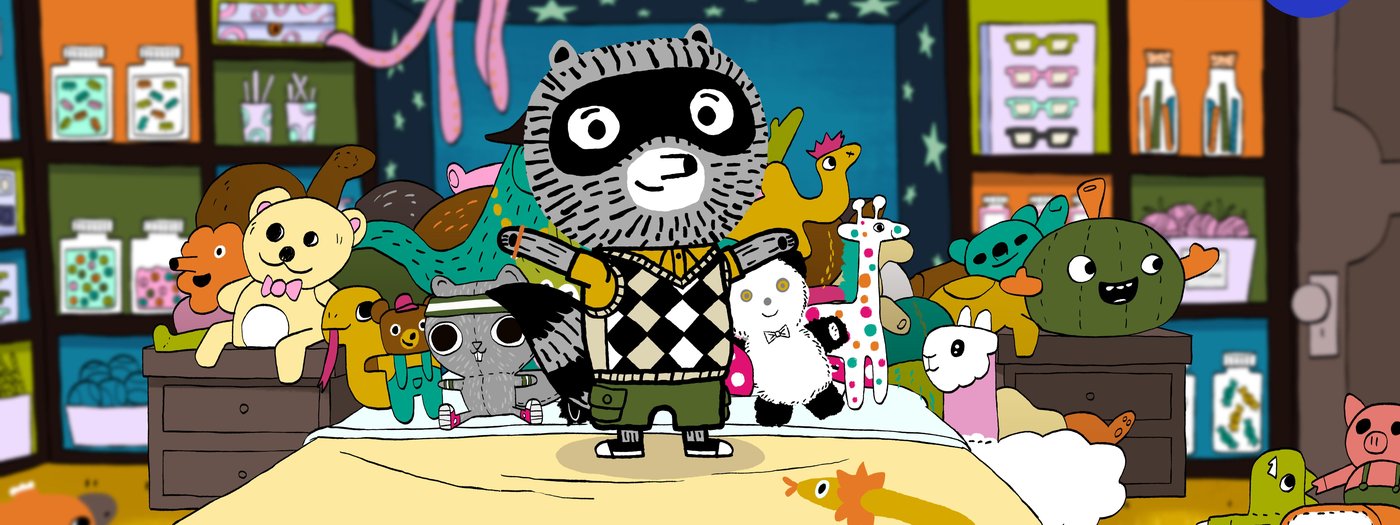
Dog Man is now available to stream on .
Project Director, Early Development & Disability