Maresa Strano
Deputy Director, Political Reform Program
Unless you live in one of a handful of states, it might pass you by that today is Election Day.
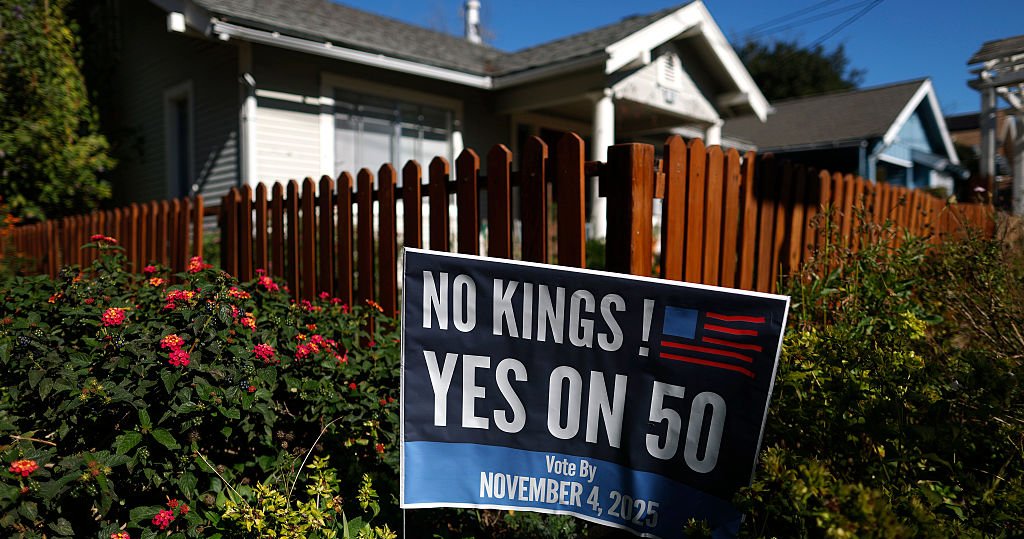
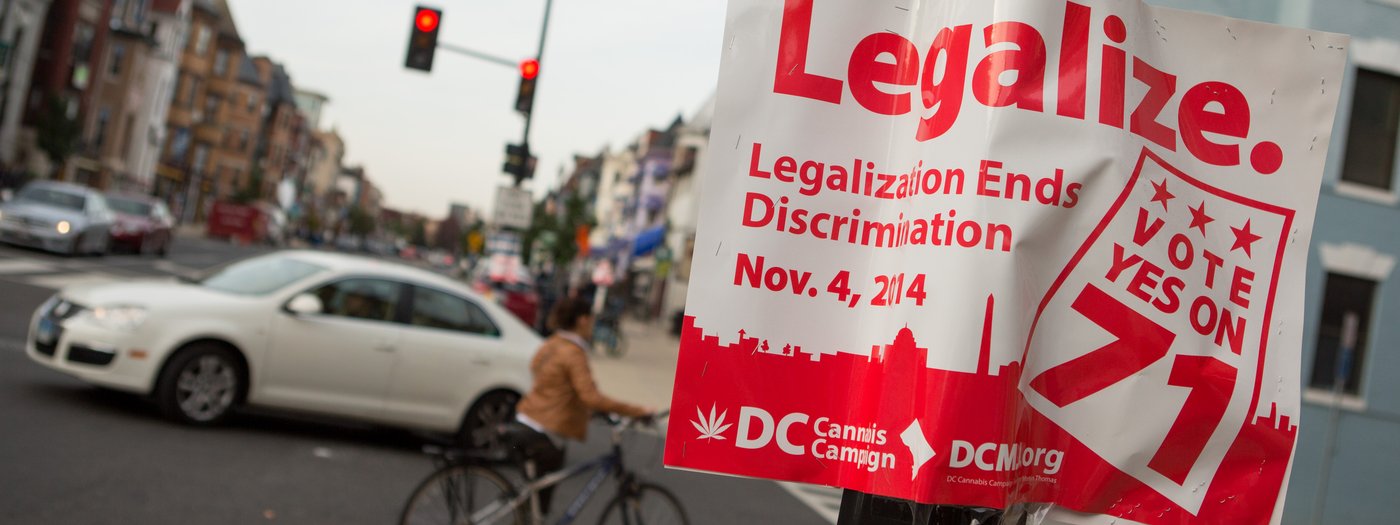
Off-year elections, taking place between a midterm and a presidential election, rarely come into the spotlight. And in 2021, aside from a high-profile gubernatorial race in , most votes are happening at the local level鈥攆or mayors, city councils, and ballot initiatives.
We talk to experts Lee Drutman and Maresa Strano from our Political Reform program about why off-year elections still exist, and what鈥檚 noteworthy about this one.
This interview has been edited for clarity and length.
EDITORS: Why do states hold off-year elections in the first place?
MARESA STRANO: Up until the late nineteenth century there was significant variation in election timing across states. Some states held their elections in odd-years, some in different seasons. When Congress acted to standardize the schedule for House elections in 1872, aligning them with presidential elections, most states decided it was most cost-efficient to synchronize their election calendars. But not all states chose to do that. And most states that decided not to switch鈥攐ut of independence, rebellion, racism, or other reasons鈥攈ave stayed off-year, or 鈥渙ff-cycle,鈥� ever since.
The reason that so many local elections are off-cycle is that, during the Progressive Era of the late 1800s and early 1900s, a lot of municipalities wanted to decouple their politics from corrupt, partisan federal and state politics and party bosses. However, some more problematic reasons were to discourage voter turnout from the people they didn鈥檛 want voting, which is a challenge we鈥檙e still dealing with today.
It鈥檚 pretty common knowledge that voter turnout is highest during presidential elections, and tanks at the midterms. How does turnout for these off-year elections compare?
STRANO: Turnout in presidential elections over the last 50 years or so has been in the 50 to 60 percent range, while with midterms you get high 30s, low 40s. These levels may be well below the average, but they frequently outperform participation in off-cycle elections, particularly municipal elections that don鈥檛 coincide with any state or federal contests. A found turnout was below 15 percent in the 30 largest cities, but that turnout for on-cycle elections is twice as high on average. Famously, when Baltimore aligned its local elections to presidential election years in 2016, voter turnout jumped from 13 percent to 60 percent. Another city that has had consistently low municipal election turnout was New York City. There was a spike in turnout this year in the primaries, but that could be a novelty effect of the city鈥檚 introduction of ranked choice voting (RCV). The growing turnout could also be a trend that we鈥檙e seeing across all elections, but it鈥檚 still really bleak. Now in recent years, and especially since the beginning of the pandemic, we鈥檝e seen a rise in the number of jurisdictions that automatically send ballots to registered voters. If you see a ballot show up in your mailbox, you鈥檙e more likely to vote in lower-profile elections.
LEE DRUTMAN: A lot of these off-season elections are city and municipal elections in which you have one-party rule () and you also have very low turnout. The combination of non-competitive elections happening during non-presidential election years is a recipe for incredibly low turnout.
The outcomes of local elections often have a more direct impact on our day-to-day lives than the outcomes of federal elections, and yet a lower percentage of the population votes in them. Why do you think that is?
STRANO: One factor is attention. There鈥檚 just not as much media attention being paid to local elections and local politics. There鈥檚 been a precipitous decline in local political news reporting, and more people live in local news deserts. Even if there are major actions being taken by city councils or mayors, without local journalists to cover them, they often happen in the dark. Residents see the effects of local government, positive and negative, but it鈥檚 harder to connect the dots. The second, related factor is that as politics have become nationalized, so have people鈥檚 media diets. Local issues have been swamped by national narratives and partisan battles. People are so caught up right now in what鈥檚 happening in Washington that they don鈥檛 see what鈥檚 happening in their own city halls and state houses.
DRUTMAN: I live in D.C. and it really hit home for me during the 2018 election for D.C. mayor. I got all this campaign stuff in the mail about [Democratic incumbent] Muriel Bowser standing up to Trump. There was nothing about what she鈥檇 done for the city. And that鈥檚 a pretty common way for local candidates to campaign. The issues people care about are hyperlocal鈥攍ike zoning in their neighborhood or their school district鈥攖he citywide issues are a little too big and far away to feel as tangible as the immediate issues on their block.
To take another example, it鈥檚 pretty clear that the Virginia election is not about Virginia politics. McCauliffe’s campaign basically just reminds people that Trump still exists and Youngkin is focused on the nationalized debate over parents in schools and mask mandates. Which is ironic that what should be a local issue has become a national issue. It just shows you how much national politics have seeped into local politics.
As you mentioned, the big election everyone is talking about is the Virginia gubernatorial race between Democrat Terry McCauliffe and Republican Glenn Youngkin. Are there any state and local races or citizen initiatives to watch?
STRANO: There鈥檚 a legislatively-referred constitutional amendment in New York going before voters for redistricting that might tilt the system in favor of Democrats in the state. This is controversial because right now the Democratic Party is waging a national fight against gerrymandering on ostensibly moral grounds. But New York, which is controlled by Democrats, might go the other way and say 鈥渨e have this advantage and we鈥檙e gonna dig it in.鈥� It鈥檚 going to be important symbolically, and it could affect the partisan balance of Congress depending on what New York decides to do.
Utah is piloting a new version of RCV in 20-something cities for city council races. That鈥檒l be a huge increase in the number of jurisdictions, especially Republican-led ones, using RCV, and how it works will inform what Utah decides to do next, if they want to turn this pilot more permanent.
And in Seattle, there鈥檚 another opportunity for voters to use their 鈥渄emocracy vouchers,鈥� which is an innovative public financing program launched by the city in 2017. Every resident gets four vouchers in the mail that they can use to donate to candidates running for city council and mayor. The purpose is to broaden the donor base and incentivize candidates to reach out to people they wouldn鈥檛 normally have the time or will to seek out. The research on its effectiveness is inconclusive so far but participation in the program doubled in its second year out and the concept is gaining traction in other cities and even nationally.
Should we eliminate the off-year election? Is that even possible?
STRANO: It鈥檚 hard to achieve any change when it鈥檚 up to politicians who have benefited from the status quo. But there are always bills and citizen initiatives percolating to align off-year state and local elections with the federal election calendar. A couple recent bills forced cities with dismal turnout to change their schedules, so states do have some power to change when municipalities vote. However in states like Kentucky and Louisiana, where they can elect Democrats statewide but they struggle to elect them federally, one party benefits from the schedule more than the other, and that complicates things. And at the city level, Democratic Party interests in promoting participation may sometimes be in conflict with electoral incentives involved in the off-year schedule. Still, there鈥檚 definitely a demand by reformers to consolidate elections as a means to increase turnout across demographic lines as well as to reduce the burden that voters face in having to show up to the polls every year. Not to mention, it would also be way cheaper for the relevant states and municipalities.
It鈥檚 hard to achieve any change when it鈥檚 up to politicians who have benefited from the status quo.
Is there any way to increase voter turnout and make these elections just as much of a priority as even-year elections?
STRANO: We could pay people to vote, or make voting compulsory! (laughs) I know, I know those aren鈥檛 viable options. If you could focus more media attention on these incredibly important races, turnout would increase. Other potential pathways include universal mail-balloting for local and special elections, or a public financing program like the Seattle voucher program, which in theory should help upstart candidates and give more voters a way to feel engaged in the campaigns. And any way to increase competition, be it through greater investment by parties and organizations in candidate recruitment, or lowering ballot access thresholds for minor parties, would help.
What are some of the issues the Political Reform program is watching going into the 2022 election cycle?
STRANO: Alaska.
DRUTMAN: Alaska passed a ballot initiative where the top four vote-getters go on to the general election. The big question is whether this preserves Murkowski鈥檚 career as senator. She鈥檚 been critical of Trump and broken with the Republican party, and has a pro-Trump challenger.
STRANO: This will be the first time we see a top-four open primary feeding into a RCV general election. If it works as advertised, we expect to see similar reforms spread quickly. We鈥檙e bracing for whatever happens.
Deputy Director, Political Reform Program
Senior Fellow, Political Reform Program